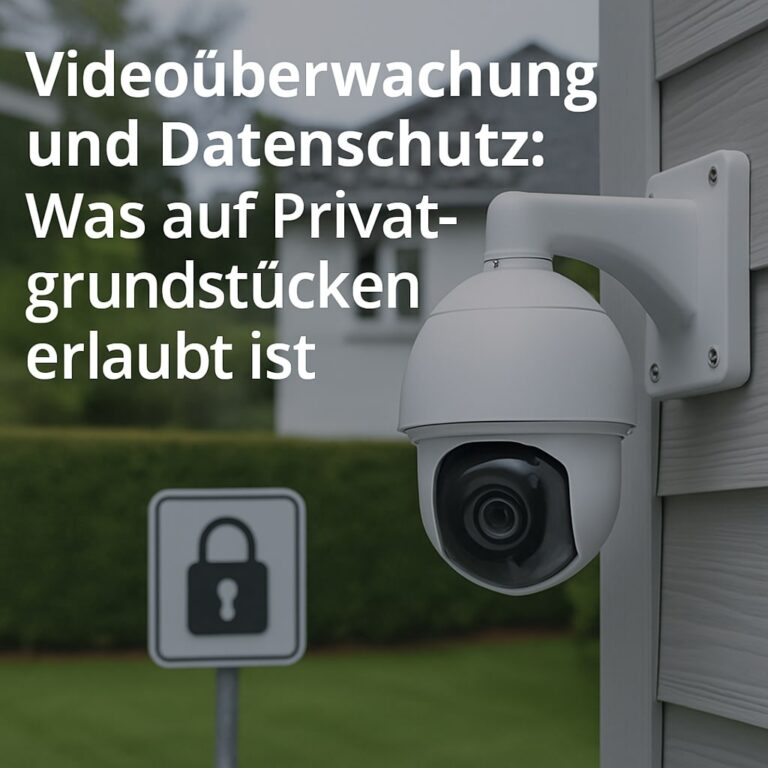

Videoüberwachung im Mehrfamilienhaus und DSGVO: Rechtliche Aspekte und Sicherheit
Erfahren Sie mehr über die rechtlichen Aspekte und Sicherheitsfragen der Videoüberwachung im Mehrfamilienhaus gemäß DSGVO.
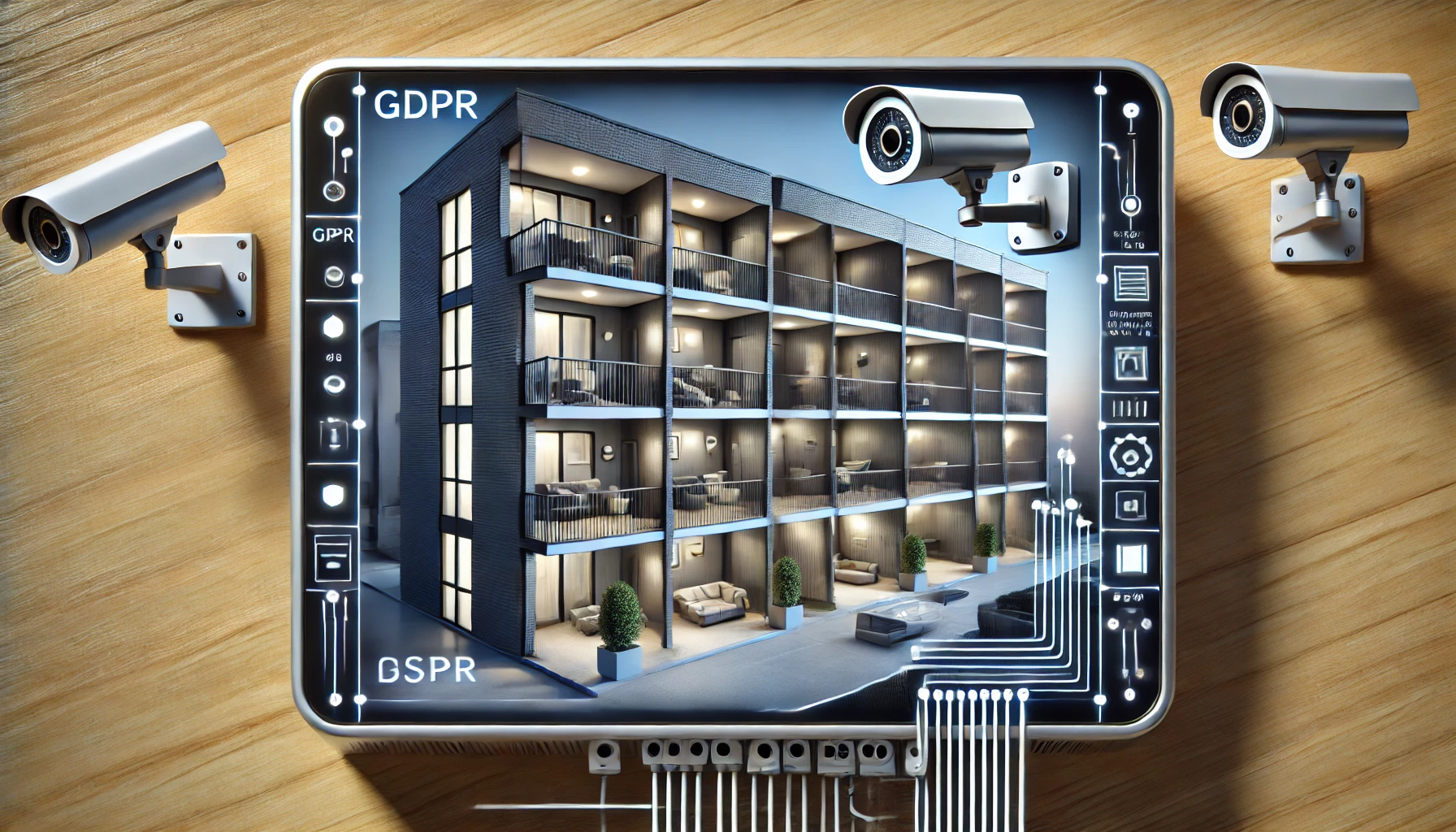
Die Videoüberwachung in Mehrfamilienhäusern ist ein Thema, das in den letzten Jahren immer mehr an Bedeutung gewonnen hat. Dabei geht es nicht nur um die Sicherheit der Bewohner, sondern auch um rechtliche Aspekte, insbesondere im Hinblick auf die Datenschutz-Grundverordnung (DSGVO). In diesem Artikel werden wir uns mit den rechtlichen Aspekten und der Sicherheit der Videoüberwachung im Mehrfamilienhaus unter Berücksichtigung der DSGVO befassen.
Hinweis zu AI-generierten Inhalten: Die Inhalte dieses Blogs werden mithilfe fortschrittlicher künstlicher Intelligenz erstellt. Obwohl wir uns bemühen, Ihnen stets präzise und nützliche Informationen zu bieten, kann es vorkommen, dass Fragen oder Unklarheiten bestehen bleiben. In solchen Fällen stehen Ihnen unsere Experten gerne zur Verfügung. Zögern Sie nicht, uns über die unten aufgeführten Kontaktmöglichkeiten zu erreichen. Unsere Spezialisten sind wahre Kenner ihres Fachs und helfen Ihnen gerne weiter!

Kontaktmöglichkeiten:

Feedback-Formular: Formular Ausfüllen
E-Mail: vertrieb@graef-gruppe.de
Telefon: +493069202294
Wir freuen uns auf Ihre Rückfragen und darauf, Ihnen bei jedem Anliegen behilflich zu sein!
Rechtliche Aspekte der Videoüberwachung im Mehrfamilienhaus
Die Installation einer Videoüberwachung in einem Mehrfamilienhaus ist grundsätzlich zulässig, jedoch sind dabei bestimmte rechtliche Vorgaben zu beachten. Insbesondere die DSGVO stellt hohe Anforderungen an den Datenschutz und die Datensicherheit. So muss beispielsweise sichergestellt werden, dass die Videoüberwachung nicht in die Privatsphäre der Bewohner eingreift und dass die gesammelten Daten sicher aufbewahrt und verarbeitet werden.
Einwilligung der Bewohner
Ein wichtiger Aspekt ist die Einwilligung der Bewohner. Laut DSGVO ist eine Videoüberwachung nur zulässig, wenn alle Bewohner des Mehrfamilienhauses ihre ausdrückliche Einwilligung dazu gegeben haben. Diese Einwilligung muss schriftlich erfolgen und kann jederzeit widerrufen werden.
Datensicherheit
Die DSGVO legt großen Wert auf die Datensicherheit. Daher müssen bei der Videoüberwachung im Mehrfamilienhaus geeignete technische und organisatorische Maßnahmen getroffen werden, um die Sicherheit der Daten zu gewährleisten. Dazu gehört beispielsweise die Verschlüsselung der Daten und der Schutz vor unbefugtem Zugriff.
Sicherheitsaspekte der Videoüberwachung im Mehrfamilienhaus
Neben den rechtlichen Aspekten spielt natürlich auch die Sicherheit eine große Rolle bei der Videoüberwachung im Mehrfamilienhaus. Eine gut geplante und durchgeführte Videoüberwachung kann dazu beitragen, die Sicherheit der Bewohner zu erhöhen und Straftaten zu verhindern.
Prävention von Straftaten
Studien haben gezeigt, dass Videoüberwachung eine abschreckende Wirkung auf potenzielle Straftäter hat. So kann die Präsenz von Überwachungskameras dazu beitragen, Einbrüche, Vandalismus und andere Straftaten zu verhindern.
Aufklärung von Straftaten
Sollte es dennoch zu einer Straftat kommen, kann die Videoüberwachung bei der Aufklärung helfen. Die aufgezeichneten Bilder können als Beweismittel dienen und die Identifizierung des Täters erleichtern.
Videoüberwachung im Mehrfamilienhaus und DSGVO: Ein Fazit
Zusammenfassend lässt sich sagen, dass die Videoüberwachung im Mehrfamilienhaus sowohl rechtliche als auch sicherheitsrelevante Aspekte berührt. Bei der Planung und Durchführung einer solchen Überwachung müssen daher sowohl die Vorgaben der DSGVO als auch die Sicherheitsbedürfnisse der Bewohner berücksichtigt werden.
Videoüberwachung im Mehrfamilienhaus und DSGVO: Rechtliche Aspekte und Sicherheit erweitert
Die Videoüberwachung im Mehrfamilienhaus ist ein komplexes Thema, das eine sorgfältige Planung und Durchführung erfordert. Es ist wichtig, die rechtlichen Vorgaben der DSGVO einzuhalten und gleichzeitig die Sicherheit der Bewohner zu gewährleisten. Dabei kann es hilfreich sein, einen Experten für Datenschutz und Sicherheitstechnik zu Rate zu ziehen. So kann sichergestellt werden, dass die Videoüberwachung im Mehrfamilienhaus den Anforderungen der DSGVO entspricht und gleichzeitig einen effektiven Beitrag zur Sicherheit der Bewohner leistet.
Welche rechtlichen Voraussetzungen müssen für die Installation einer Videoüberwachung in einem Mehrfamilienhaus erfüllt sein?
Die Installation einer Videoüberwachung in einem Mehrfamilienhaus erfordert die ausdrückliche schriftliche Einwilligung aller Bewohner. Laut DSGVO ist eine Videoüberwachung nur zulässig, wenn alle Bewohner des Mehrfamilienhauses ihre ausdrückliche Einwilligung dazu gegeben haben. Diese Einwilligung muss schriftlich erfolgen und kann jederzeit widerrufen werden.
Was bedeutet die DSGVO für die Videoüberwachung in Mehrfamilienhäusern?
Die Datenschutz-Grundverordnung (DSGVO) legt fest, dass personenbezogene Daten nur verarbeitet werden dürfen, wenn eine rechtmäßige Grundlage besteht. Bei der Videoüberwachung bedeutet dies, dass entweder eine ausdrückliche Einwilligung der betroffenen Personen vorliegen muss oder ein berechtigtes Interesse des Verantwortlichen besteht, das die Rechte und Freiheiten der Betroffenen nicht überwiegt.
Welche Informationspflichten bestehen bei der Videoüberwachung gemäß DSGVO?
Gemäß Art. 13 DSGVO müssen betroffene Personen über die Videoüberwachung informiert werden. Dies beinhaltet unter anderem Hinweise auf den Verantwortlichen, den Zweck der Überwachung und die Rechte der Betroffenen. Diese Informationen sollten klar und sichtbar, beispielsweise durch Hinweisschilder, bereitgestellt werden.
Was sind die Konsequenzen bei Verstößen gegen die DSGVO im Zusammenhang mit Videoüberwachung?
Verstöße gegen die DSGVO können zu erheblichen Bußgeldern führen. Zudem können betroffene Personen Unterlassungsansprüche geltend machen oder Schadensersatz fordern. Es ist daher essenziell, alle rechtlichen Vorgaben bei der Installation und dem Betrieb von Videoüberwachungssystemen einzuhalten.