

Cyber security in hospitals: protecting sensitive patient data from cyber attacks
"Cyber security in hospitals: Ensuring the protection of sensitive patient data from cyber attacks. Security and trust in healthcare."
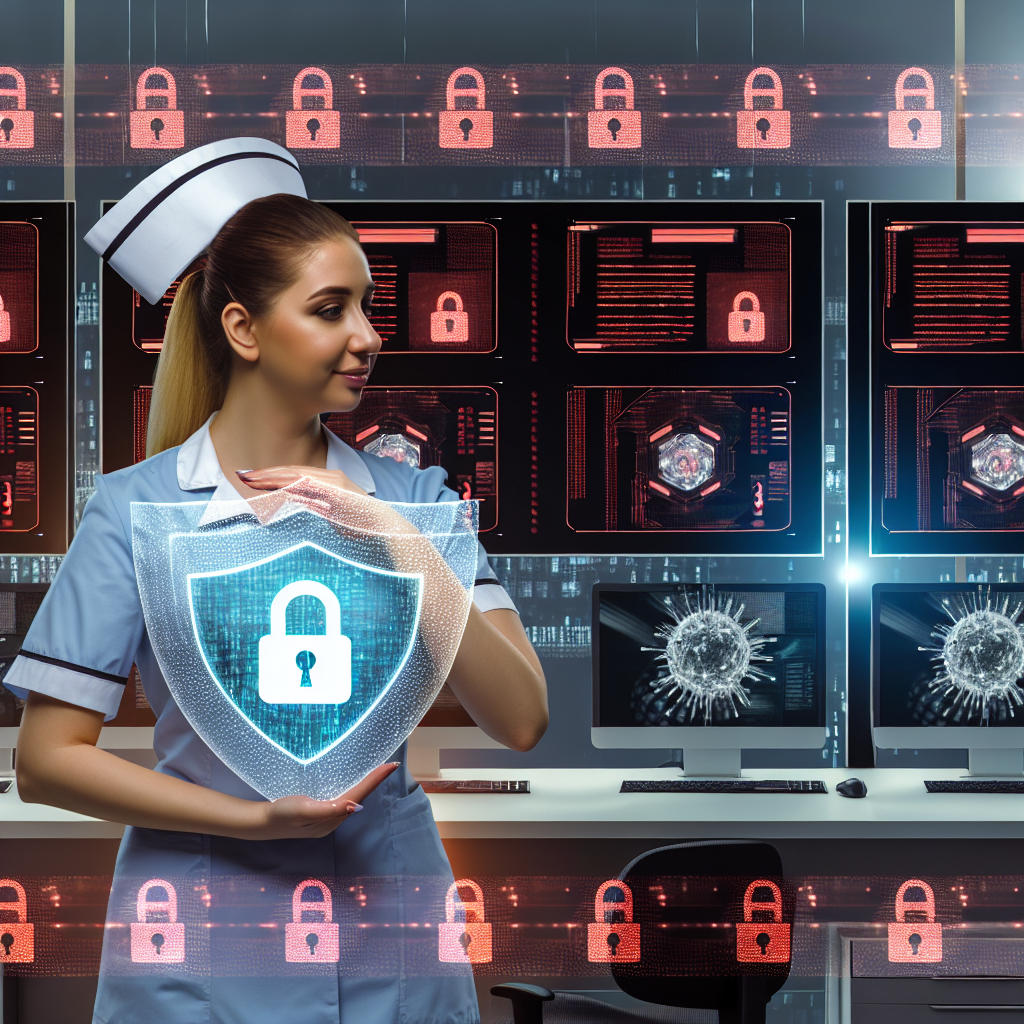
In today's digital world, cyber security in hospitals is of crucial importance. Hospitals handle a wealth of sensitive patient data that is vulnerable to cyber-attacks. This data includes medical records, personal information and financial data. Therefore, it is imperative that hospitals implement effective cybersecurity measures to protect this sensitive data.
The importance of cyber security in hospitals
Cyber security in hospitals is not only important to protect patient privacy, but also to ensure the integrity of medical care. Cyber attacks can cause significant disruption to a hospital's operations, leading to delays in treatment and even potentially life-threatening situations.
One example of the impact of a cyberattack on a hospital is the WannaCry ransomware attack in 2017, which affected the UK's National Health Service (NHS) and led to the cancellation of around 19,000 appointments, costing around £92 million.
Measures to improve cyber security in hospitals
There are several measures hospitals can take to improve their cybersecurity and protect sensitive patient data. Here are some examples:
- Regular staff training: Staff should be regularly trained to recognize and avoid potential cyber threats. This can include how to recognize phishing emails, create secure passwords and share data securely.
- Use of firewalls and anti-virus software: These tools can help block unwanted access and detect and remove malicious software.
- Regular backups: Regular backups allow data to be restored in the event of a cyberattack.
The role of the regulatory authorities
Regulatory authorities play an important role in improving cyber security in hospitals. In many countries, there are laws and regulations that require hospitals to take certain security measures. For example, the General Data Protection Regulation (GDPR) in the European Union requires organizations to take appropriate technical and organizational measures to ensure the security of personal data.
Cyber security in hospitals: an ongoing process
Cyber security in hospitals is an ongoing process that requires constant vigilance and adaptation. Cyber threats are constantly evolving and hospitals need to regularly review and update their security measures to keep pace.
It is also important that hospitals promote a culture of cyber security. This means that all employees understand the importance of cyber security and are aware of their role in maintaining security.
Expanding cyber security in hospitals
With the increasing digitalization of healthcare and the rising number of cyberattacks, it is clear that hospital cybersecurity must be a priority. By implementing effective security measures and promoting a culture of cyber security, hospitals can help to protect their patients' sensitive data and ensure the integrity of their services.