
Cybersicherheit für Schulen: Sicherer digitaler Unterricht
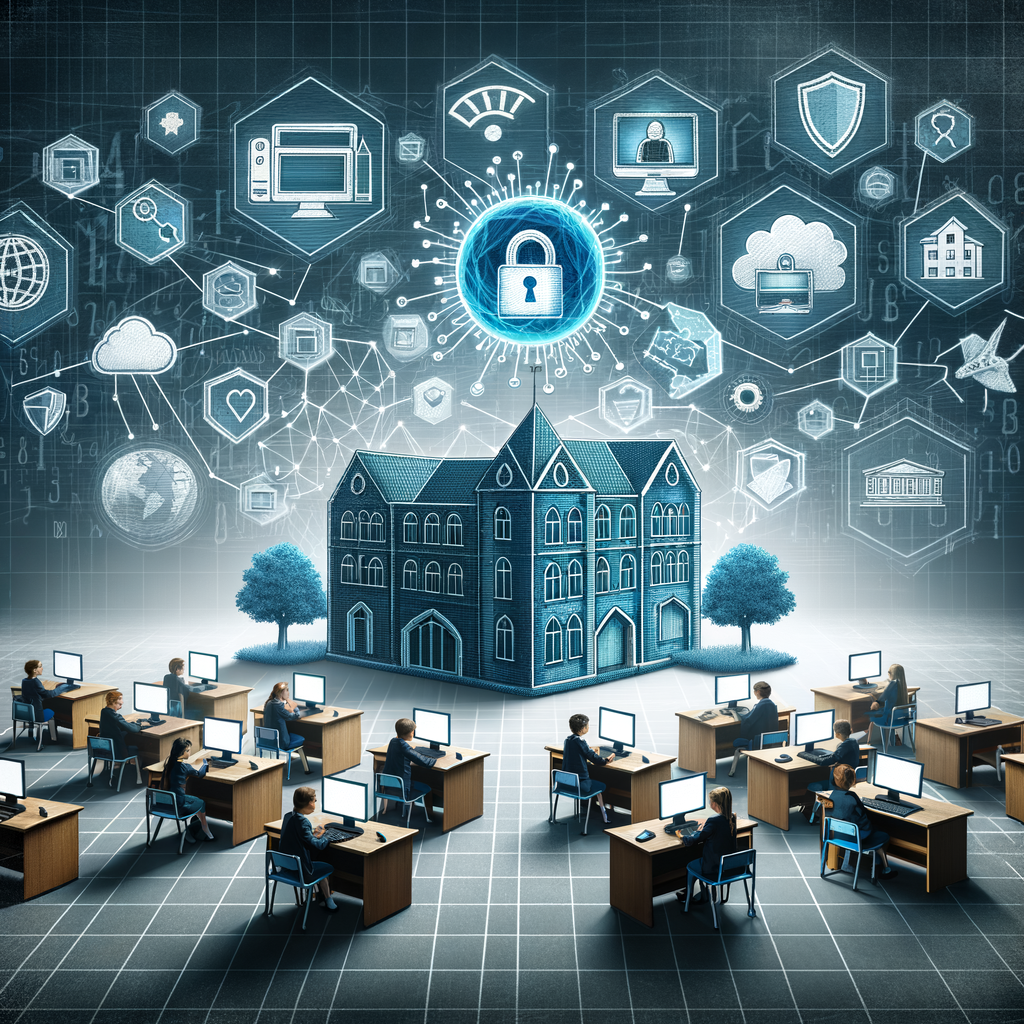
Im Zeitalter der Digitalisierung hat die Integration von Technologie in den Schulunterricht erheblich zugenommen. Diese Entwicklung bietet viele Vorteile, stellt jedoch auch Herausforderungen in Bezug auf die Cybersicherheit für Schulen dar. Schulen sind zunehmend Ziel von Cyberangriffen, da ihre Netzwerke oft nicht ausreichend gesichert sind und persönliche Daten von Schülern und Lehrern beinhalten. Die Notwendigkeit, digitale Unterrichtsumgebungen sicherer zu gestalten, wird immer dringlicher. Angesichts dieser Herausforderungen ist es unerlässlich, dass Bildungseinrichtungen effektive Sicherheitsstrategien entwickeln und umsetzen.
Hinweis zu AI-generierten Inhalten: Die Inhalte dieses Blogs werden mithilfe fortschrittlicher künstlicher Intelligenz erstellt. Obwohl wir uns bemühen, Ihnen stets präzise und nützliche Informationen zu bieten, kann es vorkommen, dass Fragen oder Unklarheiten bestehen bleiben. In solchen Fällen stehen Ihnen unsere Experten gerne zur Verfügung. Zögern Sie nicht, uns über die unten aufgeführten Kontaktmöglichkeiten zu erreichen. Unsere Spezialisten sind wahre Kenner ihres Fachs und helfen Ihnen gerne weiter!

Kontaktmöglichkeiten:

Feedback-Formular: Formular Ausfüllen
E-Mail: vertrieb@graef-gruppe.de
Telefon: +493069202294
Wir freuen uns auf Ihre Rückfragen und darauf, Ihnen bei jedem Anliegen behilflich zu sein!
Warum Cybersicherheit in Schulen wichtig ist
Schulen speichern sensible Informationen, darunter persönliche Daten wie Namen, Adressen und Noten. Ein Sicherheitsvorfall könnte nicht nur den Unterricht stören, sondern auch die Privatsphäre und Sicherheit der Schüler gefährden. Ein bekanntes Beispiel ist der Cyberangriff auf die Los Angeles Unified School District im Jahr 2020, bei dem das Schulsystem Ziel eines Ransomware-Angriffs wurde. Solche Vorfälle unterstreichen die Notwendigkeit robuster Cybersicherheitsmaßnahmen.
Hauptbedrohungen für Schulen
- Phishing-Angriffe: Diese zielen darauf ab, Lehrern und Schülern wertvolle Daten zu entlocken.
- Ransomware: Cyberkriminelle verschlüsseln schulische Daten und verlangen Lösegeld.
- Unzureichend gesicherte Netzwerke: Oft sind schulische Netzwerke schlecht konfiguriert, was sie anfällig macht.
- Veraltete Software: Schulen verwenden häufig alte Software, die für Angriffe ausnutzbar ist.
Strategien zur Verbesserung der Cybersicherheit
Um die Cybersicherheit zu verbessern, sollten Schulen einen mehrstufigen Ansatz verfolgen. Dazu gehört die Schulung des Personals und der Schüler über Online-Bedrohungen. Besonders effektiv ist die Implementierung von:
- Firewalls und Antivirus-Software: Diese bieten eine Grundlinie gegen viele Bedrohungen.
- Regelmäßige Updates und Patches: Halten Sie Software und Betriebssysteme auf dem neuesten Stand, um Sicherheitslücken zu schließen.
- Backups: Regelmäßige Datensicherungen können bei Ransomware-Angriffen helfen, die Auswirkungen zu minimieren.
Vorteile eines sicheren digitalen Unterrichts
Ein sicherer digitaler Unterricht bietet nicht nur Schutz vor Cyberbedrohungen, sondern fördert auch eine produktive Lernumgebung. Schüler können ohne Angst vor Datenmissbrauch oder unerwarteten Unterbrechungen lernen und arbeiten. Zudem stärkt effektive Cybersicherheit das Vertrauen der Eltern und macht die Schule zu einem positiven Beispiel für andere Bildungseinrichtungen.
Cybersicherheit für Schulen muss ganzheitlich angegangen werden, um Schüler und Lehrer in einer sicheren digitalen Umgebung zu unterstützen. Die Implementierung robuster Sicherheitsmaßnahmen ist nicht nur eine Reaktion auf bestehende Bedrohungen, sondern auch eine proaktive Maßnahme zur Sicherstellung eines störungsfreien und effektiven Unterrichts. Daher sollten Bildungseinrichtungen in entsprechende Schulungen und Technologien investieren, um die Lernerfahrung in einer zunehmend digitalen Welt zu gewährleisten.