
Automatisierung in Tempelhof-Schöneberg: Effizienzsteigerung durch smarte Technik
Automatisierung in Tempelhof-Schöneberg: Effizienzsteigerung durch smarte Technik für optimierte Prozesse und innovative Lösungen im Bezirk.
Die Rolle der Automatisierung in Tempelhof-Schöneberg
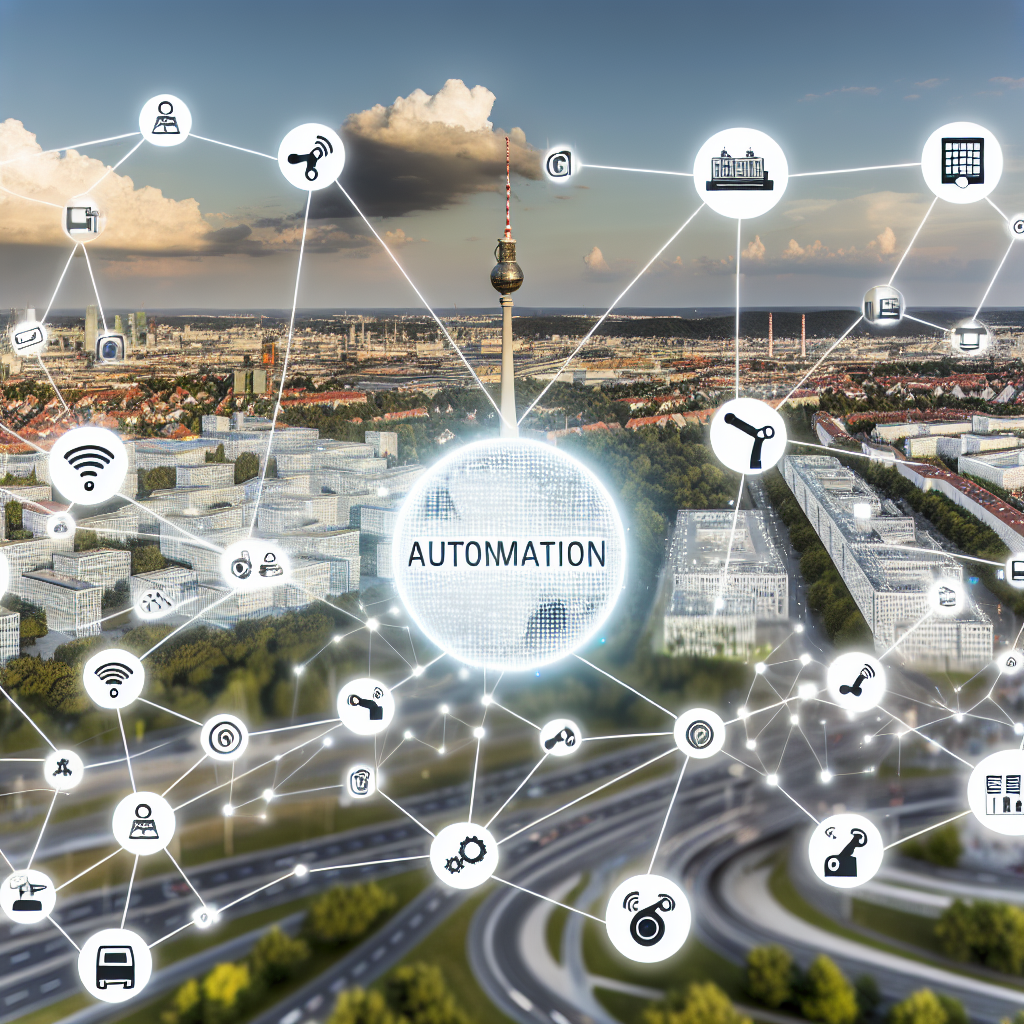
Im Berliner Bezirk Tempelhof-Schöneberg spielt die Automatisierung eine immer wichtigere Rolle. Mit der fortschreitenden Digitalisierung und dem Einsatz smarter Technologien wird die Effizienz in verschiedenen Bereichen gesteigert. Von der Verwaltung über den Verkehr bis hin zur Energieversorgung – Automatisierung verändert die Art und Weise, wie der Bezirk funktioniert.
Hinweis zu AI-generierten Inhalten: Die Inhalte dieses Blogs werden mithilfe fortschrittlicher künstlicher Intelligenz erstellt. Obwohl wir uns bemühen, Ihnen stets präzise und nützliche Informationen zu bieten, kann es vorkommen, dass Fragen oder Unklarheiten bestehen bleiben. In solchen Fällen stehen Ihnen unsere Experten gerne zur Verfügung. Zögern Sie nicht, uns über die unten aufgeführten Kontaktmöglichkeiten zu erreichen. Unsere Spezialisten sind wahre Kenner ihres Fachs und helfen Ihnen gerne weiter!

Kontaktmöglichkeiten:

Feedback-Formular: Formular Ausfüllen
E-Mail: vertrieb@graef-gruppe.de
Telefon: +493069202294
Wir freuen uns auf Ihre Rückfragen und darauf, Ihnen bei jedem Anliegen behilflich zu sein!
Verwaltung und öffentliche Dienstleistungen
Die Automatisierung in Tempelhof-Schöneberg hat bereits in der Verwaltung Einzug gehalten. Durch den Einsatz von Softwarelösungen werden Verwaltungsprozesse optimiert und beschleunigt. Bürger können Anträge online einreichen, was nicht nur Zeit spart, sondern auch den Papierverbrauch reduziert. Ein Beispiel ist das digitale Bürgeramt, das es den Einwohnern ermöglicht, viele Dienstleistungen bequem von zu Hause aus zu nutzen.
Intelligente Verkehrssysteme
Ein weiterer Bereich, in dem Automatisierung in Tempelhof-Schöneberg eine bedeutende Rolle spielt, ist der Verkehr. Smarte Ampelsysteme, die den Verkehrsfluss in Echtzeit analysieren und anpassen, tragen zur Reduzierung von Staus bei. Zudem werden durch den Einsatz von Sensoren und Kameras Daten gesammelt, die zur Verbesserung der Verkehrssicherheit beitragen.
Energieeffizienz durch smarte Technik
Auch im Bereich der Energieversorgung zeigt sich die Automatisierung in Tempelhof-Schöneberg als vorteilhaft. Smarte Stromnetze und intelligente Zähler ermöglichen eine effizientere Nutzung von Energie. Durch die Analyse von Verbrauchsdaten können Energieversorger ihre Angebote besser an die Bedürfnisse der Verbraucher anpassen und so den Energieverbrauch optimieren.
Beispiele erfolgreicher Automatisierungsprojekte
In Tempelhof-Schöneberg gibt es bereits mehrere erfolgreiche Automatisierungsprojekte, die als Vorbild für andere Bezirke dienen können:
- Smart City Projekt: Ein umfassendes Projekt, das verschiedene Aspekte der Stadtverwaltung und Infrastruktur automatisiert, um die Lebensqualität der Bürger zu verbessern.
- Intelligente Müllentsorgung: Sensoren in Mülltonnen melden, wenn diese geleert werden müssen, was die Effizienz der Müllabfuhr steigert.
- Automatisierte Gebäudeverwaltung: Smarte Systeme regulieren Heizung, Beleuchtung und Sicherheit in öffentlichen Gebäuden, um Energie zu sparen und die Betriebskosten zu senken.
Herausforderungen und Zukunftsperspektiven
Trotz der vielen Vorteile gibt es auch Herausforderungen bei der Automatisierung in Tempelhof-Schöneberg. Datenschutz und Datensicherheit sind wichtige Themen, die bei der Implementierung smarter Technologien berücksichtigt werden müssen. Zudem erfordert die Umstellung auf automatisierte Systeme Investitionen und Schulungen für die Mitarbeiter.
Die Zukunftsperspektiven sind jedoch vielversprechend. Mit der fortschreitenden Entwicklung von Technologien wie Künstlicher Intelligenz und dem Internet der Dinge (IoT) wird die Automatisierung in Tempelhof-Schöneberg weiter an Bedeutung gewinnen. Dies könnte zu einer noch effizienteren und nachhaltigeren Stadtentwicklung führen.
Automatisierung in Tempelhof-Schöneberg als Schlüssel zur Effizienzsteigerung
Die Automatisierung in Tempelhof-Schöneberg bietet zahlreiche Möglichkeiten zur Effizienzsteigerung in verschiedenen Bereichen. Durch den Einsatz smarter Technik können Prozesse optimiert, Ressourcen geschont und die Lebensqualität der Bürger verbessert werden. Trotz der bestehenden Herausforderungen zeigt sich, dass die Vorteile überwiegen und der Bezirk auf einem guten Weg ist, eine Vorreiterrolle in der smarten Stadtentwicklung einzunehmen.