
Alarmanlagen für Labore: Schutz sensibler Forschungseinrichtungen
"Schützen Sie Ihre Forschungseinrichtung mit Alarmanlagen für Labore. Maximale Sicherheit für sensible Daten und Geräte."

Die Sicherheit von Laboren ist von größter Bedeutung, insbesondere wenn es um sensible Forschungseinrichtungen geht. Eine effektive Alarmanlage für Labore kann dazu beitragen, wertvolle Forschungsdaten und -geräte zu schützen und gleichzeitig die Sicherheit des Personals zu gewährleisten. In diesem Artikel werden wir die Bedeutung von Alarmanlagen für Labore und die verschiedenen verfügbaren Optionen diskutieren.
Warum ist eine Alarmanlage für Labore wichtig?
Labore sind Orte, an denen wichtige und oft sensible Forschungen durchgeführt werden. Sie enthalten oft teure Geräte und Materialien, die leicht beschädigt oder gestohlen werden können. Darüber hinaus können Labore auch gefährliche Chemikalien und Substanzen enthalten, die bei unsachgemäßer Handhabung oder Diebstahl ein erhebliches Risiko darstellen können. Eine effektive Alarmanlage kann dazu beitragen, diese Risiken zu minimieren.
Arten von Alarmanlagen für Labore
Es gibt verschiedene Arten von Alarmanlagen, die in Laboren eingesetzt werden können, abhängig von den spezifischen Anforderungen und Risiken der Einrichtung. Einige der gängigsten Arten von Alarmanlagen für Labore sind:
- Einbruchmeldeanlagen: Diese Systeme erkennen unerlaubten Zugang zu einem Labor und lösen einen Alarm aus, wenn eine solche Aktivität erkannt wird.
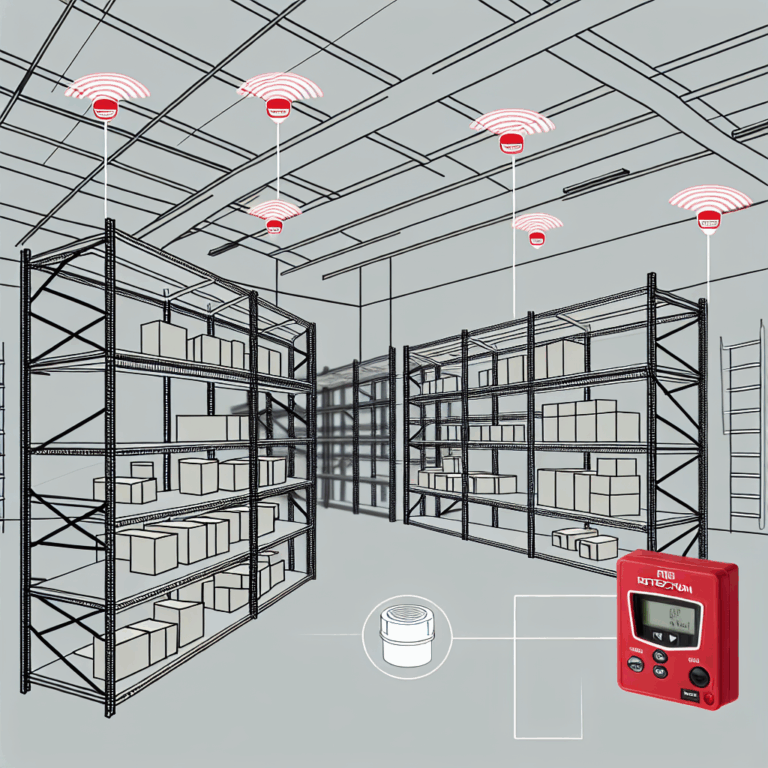
- Brandalarm- und Feuerlöschsysteme: Diese Systeme erkennen Feuer oder Rauch und lösen einen Alarm aus, um das Personal zu warnen und gegebenenfalls automatische Löschmaßnahmen einzuleiten.
- Gasdetektionssysteme: Diese Systeme erkennen das Vorhandensein gefährlicher Gase und lösen einen Alarm aus, wenn die Konzentrationen einen bestimmten Schwellenwert überschreiten.
Die Rolle der Technologie bei Alarmanlagen für Labore
Die Technologie spielt eine entscheidende Rolle bei der Verbesserung der Effektivität von Alarmanlagen für Labore. Moderne Alarmsysteme nutzen fortschrittliche Sensortechnologie, um eine Vielzahl von Bedrohungen zu erkennen, von Einbrüchen über Feuer bis hin zu Gaslecks. Darüber hinaus ermöglichen fortschrittliche Kommunikationstechnologien eine schnelle Benachrichtigung des Personals und der Sicherheitsdienste im Falle eines Alarms.
Beispiel für den Einsatz von Alarmanlagen in Laboren
Ein gutes Beispiel für den Einsatz von Alarmanlagen in Laboren ist das Max-Planck-Institut für molekulare Genetik in Berlin. Das Institut hat ein umfassendes Sicherheitssystem installiert, das Einbruchmeldeanlagen, Brandalarmanlagen und Gasdetektionssysteme umfasst. Dieses System hat dazu beigetragen, die Sicherheit des Personals und der Forschungseinrichtungen zu gewährleisten und gleichzeitig die Einhaltung der gesetzlichen Vorschriften zu gewährleisten.
Statistiken zur Sicherheit von Laboren
Laut einer Studie des Bundeskriminalamtes wurden in Deutschland im Jahr 2019 über 100.000 Einbrüche in gewerbliche Einrichtungen gemeldet. Viele dieser Einbrüche betrafen Forschungseinrichtungen und Labore. Diese Statistik unterstreicht die Bedeutung von effektiven Alarmanlagen für Labore.
Alarmanlage für Labor: Schutz sensibler Forschungseinrichtungen erweitert
Die Wahl der richtigen Alarmanlage für ein Labor kann eine Herausforderung sein, da verschiedene Faktoren berücksichtigt werden müssen, darunter die Art der durchgeführten Forschung, die vorhandenen Risiken und die spezifischen Anforderungen der Einrichtung. Es ist wichtig, eine Alarmanlage zu wählen, die eine umfassende Abdeckung bietet und gleichzeitig einfach zu bedienen und zu warten ist.
Letztendlich ist eine effektive Alarmanlage für Labore ein unverzichtbares Werkzeug zum Schutz sensibler Forschungseinrichtungen. Sie trägt nicht nur dazu bei, wertvolle Forschungsdaten und -geräte zu schützen, sondern gewährleistet auch die Sicherheit des Personals und hilft, die Einhaltung der gesetzlichen Vorschriften zu gewährleisten.