
Zutrittskontrolle Supermärkte: Sicherheit & Effizienz
In der modernen Einzelhandelsbranche gewinnt die Zutrittskontrolle in Supermärkten zunehmend an Bedeutung. Mit dem technologischen Fortschritt und den wachsenden Sicherheitsanforderungen sind Supermärkte gefordert, effiziente Systeme einzuführen, um sowohl die Sicherheit als auch die betriebliche Effizienz zu gewährleisten. Aber wie können diese Ziele erreicht werden, und welche Technologien setzen sich durch? In diesem Artikel beleuchten wir die verschiedenen Aspekte der Zutrittskontrolle in Supermärkten und zeigen auf, wie sie zur Sicherheit und Effektivität beitragen.
Hinweis zu AI-generierten Inhalten: Die Inhalte dieses Blogs werden mithilfe fortschrittlicher künstlicher Intelligenz erstellt. Obwohl wir uns bemühen, Ihnen stets präzise und nützliche Informationen zu bieten, kann es vorkommen, dass Fragen oder Unklarheiten bestehen bleiben. In solchen Fällen stehen Ihnen unsere Experten gerne zur Verfügung. Zögern Sie nicht, uns über die unten aufgeführten Kontaktmöglichkeiten zu erreichen. Unsere Spezialisten sind wahre Kenner ihres Fachs und helfen Ihnen gerne weiter!

Kontaktmöglichkeiten:

Feedback-Formular: Formular Ausfüllen
E-Mail: vertrieb@graef-gruppe.de
Telefon: +493069202294
Wir freuen uns auf Ihre Rückfragen und darauf, Ihnen bei jedem Anliegen behilflich zu sein!
Zutrittskontrolle Supermärkte: Ein integraler Bestandteil der Sicherheit
In einer Zeit, in der Sicherheitsbedenken im Einzelhandel im Mittelpunkt stehen, sind verlässliche Zutrittskontrollsysteme unerlässlich. Sie helfen, Diebstähle zu verhindern und die Ladenfläche zu überwachen. Mit moderner Technologie können Supermärkte verschiedene Methoden kombinieren:
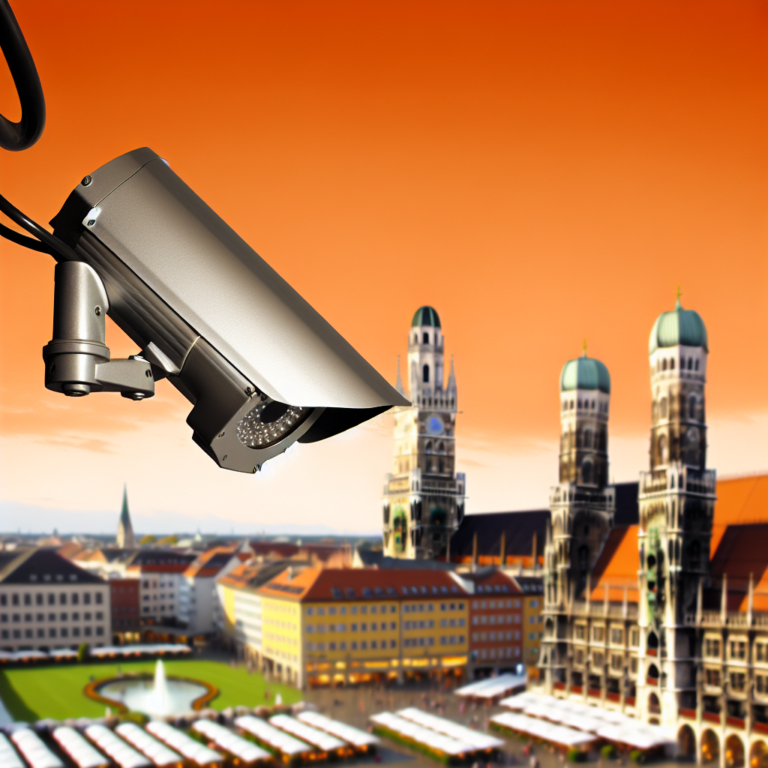
- Kamerasysteme: Hochauflösende Kameras überwachen Eingänge und kritische Punkte und tragen dazu bei, potenzielle Gefahren frühzeitig zu erkennen.
- Elektronische Warensicherung (EAS): Diese Systeme nutzen Etiketten und Sensoren, die an den Waren angebracht werden und einen Alarm auslösen, wenn sie unbezahlt aus dem Geschäft gebracht werden.
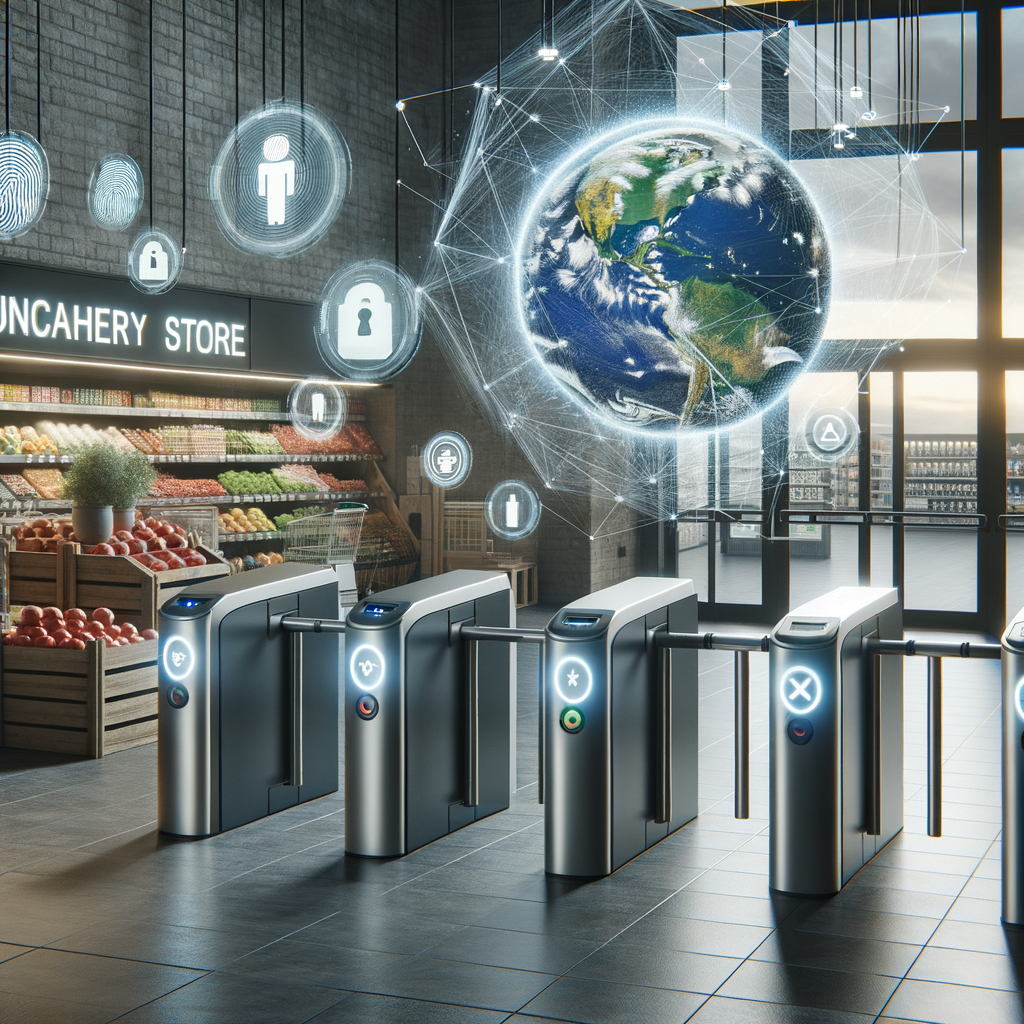
- Zugangsbeschränkungen: Durch kontrollierte Ein- und Ausgänge können Supermärkte den Zutritt zum Geschäft besser überwachen und kontrollieren.
Ein gelungenes Beispiel ist eine Supermarktkette in Deutschland, die durch die Installation eines neuen Überwachungssystems die Diebstahlrate um 30 % senken konnte.
Effizienzsteigerung durch Zutrittskontrolle Supermärkte
Die Effizienz in Supermärkten zu steigern, ist eine der großen Herausforderungen im Einzelhandel. Durch intelligente Zutrittskontrollsysteme können Prozesse optimiert werden:
Automatisierung und Kundenerlebnis
Indem Supermärkte auf modernste Technologien setzen, können sie den Einkaufsprozess für ihre Kunden beschleunigen. Selbstbedienungskassen sind ein hervorragendes Beispiel dafür, wie Technologie den Kundenfluss und damit auch die Effizienz verbessern kann.
Eine Studie hat gezeigt, dass die Einführung von Selbstbedienungskassen die Wartezeit um bis zu 40 % reduzieren kann, was sowohl die Kundenzufriedenheit steigert als auch die Mitarbeiter entlastet.
Personaleffizienz
Effiziente Zutrittskontrollsysteme ermöglichen es dem Personal, sich auf kundenorientierte Aufgaben zu konzentrieren. Weniger Personal ist nötig für Überwachungsaufgaben, wodurch Ressourcen effizienter genutzt werden können.
Die Herausforderungen der Zutrittskontrolle Supermärkte
Obwohl die Vorteile der Zutrittskontrolle enorm sind, gibt es auch Herausforderungen. Die Implementierung neuer Technologien erfordert Investitionen und kann am Anfang komplex sein. Zudem stellen Datenschutzbedenken oft eine Hürde dar, wenn es darum geht, Technologien wie Gesichtserkennung einzusetzen.
Jedoch haben viele Supermärkte bereits innovative Lösungen gefunden, indem sie datenschutzkonforme Systeme einsetzen, die den rechtlichen Anforderungen entsprechen, ohne die Funktionalität einzuschränken.
Zusammenfassend lässt sich sagen, dass die Zutrittskontrolle in Supermärkten sowohl aus sicherheits- als auch aus effizienztechnischer Sicht von entscheidender Bedeutung ist. Durch eine kluge Kombination von Technologien, die auf die individuellen Bedürfnisse des Supermarktes zugeschnitten sind, können sowohl Diebstähle reduziert als auch die betriebliche Effizienz gesteigert werden. Trotz der Herausforderungen überwiegen die Vorteile, was die Zukunft der Zutrittskontrollsysteme im Einzelhandel vielversprechend macht.