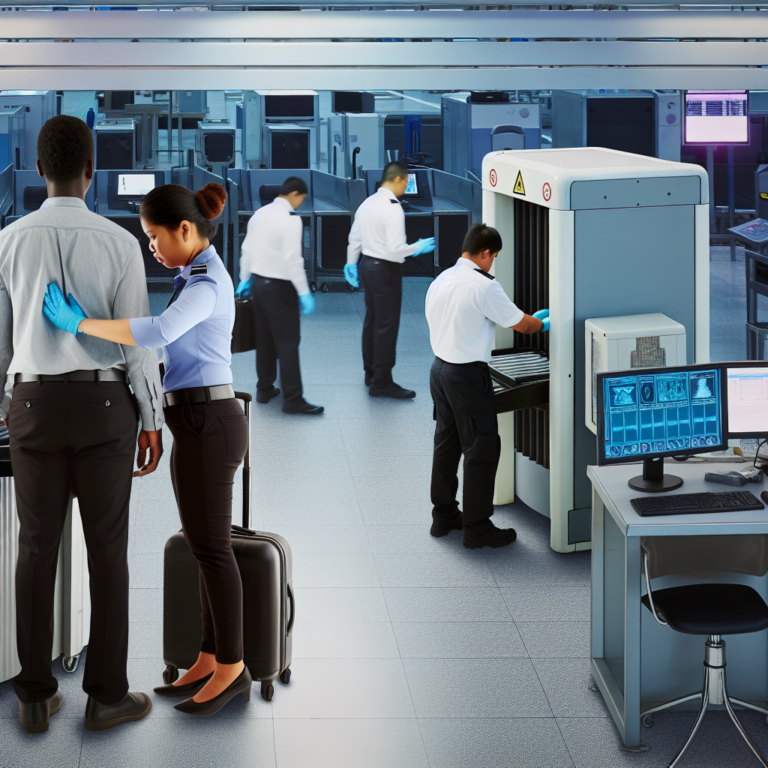

Zutrittskontrolle im Krankenhaus: Sicherer Zugang für Patienten und Personal
"Zutrittskontrolle im Krankenhaus gewährleistet sicheren Zugang für Patienten und Personal. Optimale Sicherheit mit effizienter Zutrittskontrolle."
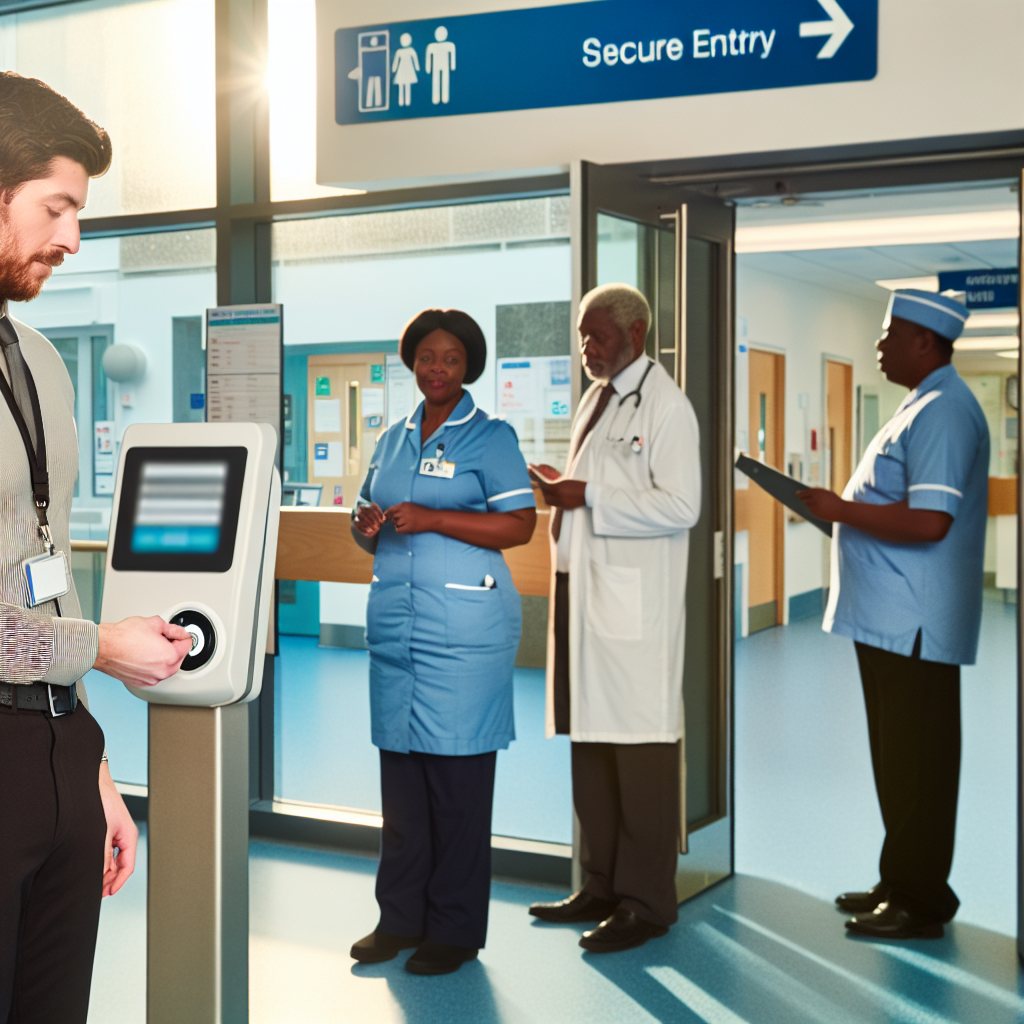
In der heutigen Zeit ist die Sicherheit in Krankenhäusern von größter Bedeutung. Die Zutrittskontrolle im Krankenhaus spielt dabei eine entscheidende Rolle, um den sicheren Zugang für Patienten und Personal zu gewährleisten. Sie hilft dabei, unerwünschte Besucher fernzuhalten, den Zugang zu sensiblen Bereichen zu kontrollieren und die Sicherheit von Patienten und Personal zu gewährleisten.
Die Bedeutung der Zutrittskontrolle im Krankenhaus
Die Zutrittskontrolle im Krankenhaus ist ein wesentlicher Bestandteil des Sicherheitskonzepts. Sie dient dazu, den Zugang zu bestimmten Bereichen des Krankenhauses zu regulieren und zu kontrollieren. Dies kann durch verschiedene Methoden erreicht werden, wie z.B. durch Schlüsselkarten, biometrische Scanner oder sogar durch Gesichtserkennungstechnologie.
Die Zutrittskontrolle im Krankenhaus ist nicht nur wichtig, um die Sicherheit von Patienten und Personal zu gewährleisten, sondern auch um den Datenschutz zu gewährleisten. In Krankenhäusern werden eine Vielzahl von sensiblen Daten verarbeitet, die geschützt werden müssen. Durch die Kontrolle des Zugangs zu diesen Bereichen kann das Risiko eines Datenlecks minimiert werden.
Beispiele für Zutrittskontrolle im Krankenhaus
Ein gutes Beispiel für die Anwendung der Zutrittskontrolle im Krankenhaus ist die Verwendung von Schlüsselkarten. Diese Karten können programmiert werden, um nur bestimmten Personen Zugang zu bestimmten Bereichen des Krankenhauses zu gewähren. So kann beispielsweise das Personal Zugang zu den Patientenzimmern haben, während Besucher nur Zugang zu den öffentlichen Bereichen haben.
Ein weiteres Beispiel ist die Verwendung von biometrischen Scannern. Diese Geräte können Fingerabdrücke, Iris-Scans oder sogar Gesichtserkennung verwenden, um sicherzustellen, dass nur autorisierte Personen Zugang zu bestimmten Bereichen haben. Dies kann besonders nützlich sein in Bereichen, in denen besonders sensible Daten verarbeitet werden, wie z.B. in der Patientenverwaltung oder in der Apotheke.
Statistiken zur Zutrittskontrolle im Krankenhaus
Die Bedeutung der Zutrittskontrolle im Krankenhaus wird durch verschiedene Statistiken unterstrichen. Laut einer Studie von Grand View Research wird der globale Markt für Zutrittskontrollsysteme bis 2025 voraussichtlich auf 12,1 Milliarden US-Dollar anwachsen. Dies zeigt, wie wichtig diese Systeme für die Sicherheit in verschiedenen Branchen, einschließlich des Gesundheitswesens, geworden sind.
Eine weitere Studie von MarketsandMarkets zeigt, dass der Markt für biometrische Systeme im Gesundheitswesen bis 2022 voraussichtlich auf 2,8 Milliarden US-Dollar ansteigen wird. Dies unterstreicht die zunehmende Bedeutung von biometrischen Systemen in der Zutrittskontrolle im Krankenhaus.
Zukunft der Zutrittskontrolle im Krankenhaus
Die Zukunft der Zutrittskontrolle im Krankenhaus sieht vielversprechend aus. Mit der Weiterentwicklung der Technologie werden wir wahrscheinlich eine Zunahme der Verwendung von biometrischen Systemen und Gesichtserkennungstechnologie sehen. Diese Systeme bieten ein hohes Maß an Sicherheit und können dazu beitragen, das Risiko von Datenlecks und anderen Sicherheitsproblemen zu minimieren.
Zudem wird die Zutrittskontrolle im Krankenhaus wahrscheinlich immer mehr in das allgemeine Sicherheitskonzept des Krankenhauses integriert werden. Dies bedeutet, dass sie nicht nur dazu dient, den Zugang zu bestimmten Bereichen zu kontrollieren, sondern auch dazu, die allgemeine Sicherheit des Krankenhauses zu gewährleisten.
Zutrittskontrolle im Krankenhaus: Sicherer Zugang für Patienten und Personal
Zusammenfassend lässt sich sagen, dass die Zutrittskontrolle im Krankenhaus eine entscheidende Rolle bei der Gewährleistung der Sicherheit von Patienten und Personal spielt. Durch die Kontrolle des Zugangs zu bestimmten Bereichen und die Verwendung von Technologien wie Schlüsselkarten und biometrischen Scannern kann das Risiko von Sicherheitsproblemen minimiert werden. Mit der Weiterentwicklung der Technologie wird die Zutrittskontrolle im Krankenhaus wahrscheinlich noch wichtiger werden, um die Sicherheit und den Datenschutz in Krankenhäusern zu gewährleisten.