
Zutrittskontrolle für Kultureinrichtungen optimieren
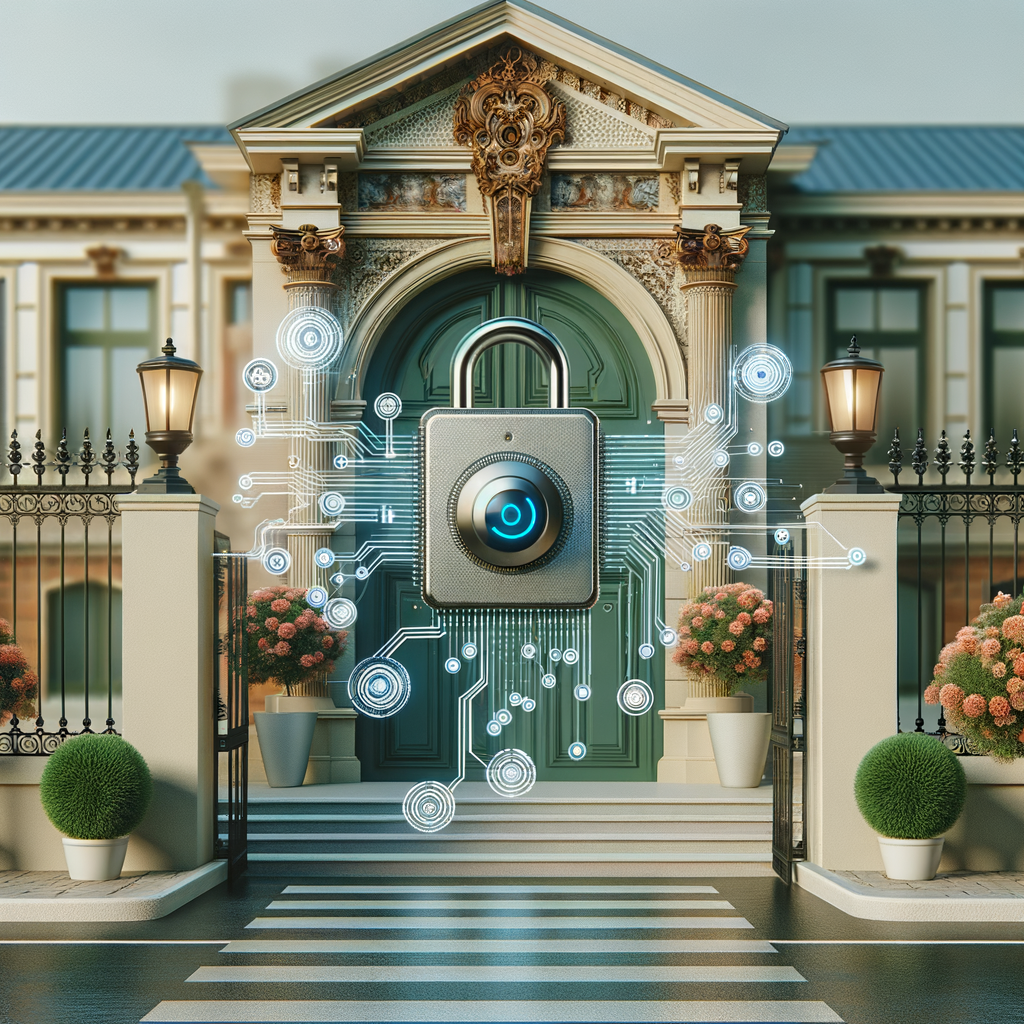
Die Zutrittskontrolle bei Kultureinrichtungen spielt eine entscheidende Rolle für die Verwaltung von Besucherströmen und die Sicherheit der Besucher. Museen, Theater und Galerien müssen sicherstellen, dass der Zugang sowohl effizient als auch sicher geregelt ist. Mit modernen Technologien und durchdachten Strategien können diese Einrichtungen nicht nur die Besucherzahlen verwalten, sondern auch die Besuchererfahrung erheblich verbessern. Dieser Artikel untersucht die besten Methoden zur Optimierung der Zutrittskontrolle in Kultureinrichtungen.
Hinweis zu AI-generierten Inhalten: Die Inhalte dieses Blogs werden mithilfe fortschrittlicher künstlicher Intelligenz erstellt. Obwohl wir uns bemühen, Ihnen stets präzise und nützliche Informationen zu bieten, kann es vorkommen, dass Fragen oder Unklarheiten bestehen bleiben. In solchen Fällen stehen Ihnen unsere Experten gerne zur Verfügung. Zögern Sie nicht, uns über die unten aufgeführten Kontaktmöglichkeiten zu erreichen. Unsere Spezialisten sind wahre Kenner ihres Fachs und helfen Ihnen gerne weiter!

Kontaktmöglichkeiten:

Feedback-Formular: Formular Ausfüllen
E-Mail: vertrieb@graef-gruppe.de
Telefon: +493069202294
Wir freuen uns auf Ihre Rückfragen und darauf, Ihnen bei jedem Anliegen behilflich zu sein!
Zutrittskontrolle Kultureinrichtungen: Technologische Innovationen nutzen
Technologische Fortschritte haben die Art und Weise, wie Zutrittskontrollsysteme funktionieren, revolutioniert. Viele Kultureinrichtungen setzen heute auf digitale Lösungen, um den Zugang zu ihren Räumlichkeiten zu verwalten.
Digitale Eintrittskarten und mobile Apps
Die Verwendung von digitalen Eintrittskarten und mobilen Apps ist eine der effektivsten Methoden, um den Eintritt in Kultureinrichtungen zu modernisieren:
- Besucher können ihre Tickets online kaufen und überall auf ihrem Smartphone speichern.
- Mobile Barcodes oder QR-Codes erleichtern den schnellen Zugang beim Einlass.
- Apps bieten zusätzlich Mehrwert, indem sie Informationen über Ausstellungen oder Aufführungen bereitstellen.
Laut einer Studie der European Group of Museum Security Professionals reduzieren digitale Lösungen die Wartezeiten um bis zu 30 % und verbessern die Besuchererfahrung erheblich.
Zutrittskontrolle Kultureinrichtungen: Sicherheit erhöhen
Sicherheit ist ein entscheidender Aspekt jeder Kultureinrichtung. Der Einsatz moderner Zutrittskontrolltechnologien kann die Sicherheit erhöhen und die Besucher gleichzeitig beruhigen.
Biometrische Systeme und KI
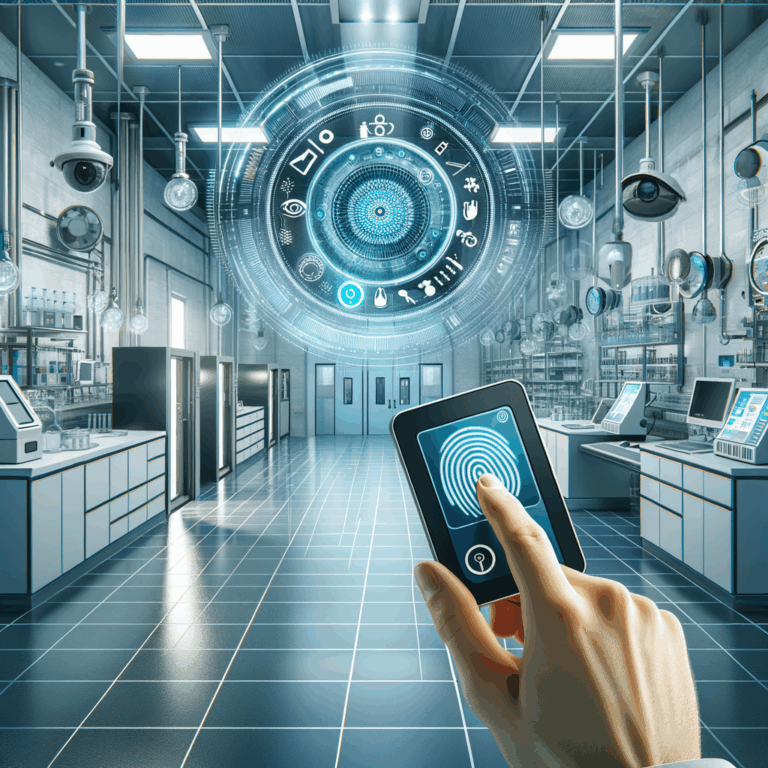
Biometrische Systeme wie Gesichtserkennungssoftware bieten eine sichere Möglichkeit, den Zugang zu verwalten:
- Sie ermöglichen den kontaktlosen und schnellen Zugang für registrierte Besucher.
- Kontrollen können effizienter erfolgen, indem potenzielle Gefahren frühzeitig erkannt werden.
- In Verbindung mit KI kann das System lernen, Sicherheitslücken zu erkennen und zu schließen.
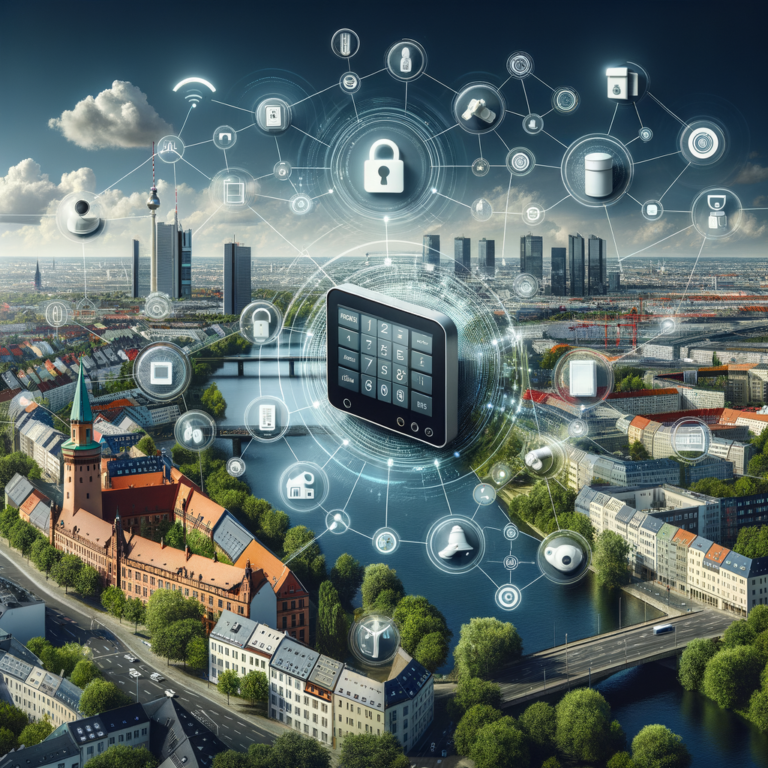
Einige Museen in Großstädten wie Berlin und München haben bereits erfolgreich biometrische Systeme implementiert und berichten von einer deutlichen Verbesserung der Sicherheitslage.
Zutrittskontrolle Kultureinrichtungen: Besucherzufriedenheit steigern
Die Zufriedenheit der Besucher ist ein weiterer wichtiger Aspekt, den es zu berücksichtigen gilt. Eine reibungslose Zutrittskontrolle trägt wesentlich zur gesamten Erfahrung bei.
Feedback-Systeme integrieren
Feedback-Systeme können helfen, den Service kontinuierlich zu verbessern:
- Besucher können direkt nach dem Besuch ihr Feedback über Apps oder Terminals teilen.
- Erkenntnisse aus dem Feedback können genutzt werden, um Schwachstellen zu identifizieren und Prozesse anzupassen.
- Ein positiver Erfahrungsbericht kann die Wiederbesuchsrate erhöhen und Empfehlungen anziehen.
Fallstudien zeigen, dass Einrichtungen, die proaktiv Feedback einholen, die Zufriedenheit deutlich steigern können, was zu höheren Besucherzahlen und gesteigertem Umsatz führt.
Insgesamt zeigt sich, dass die Optimierung der Zutrittskontrolle in Kultureinrichtungen ein wichtiger Schritt zur Modernisierung und Effizienzsteigerung darstellt. Durch den Einsatz neuester Technologien und die Fokussierung auf Sicherheit und Zufriedenheit können Museen und andere Kultureinrichtungen nicht nur ihre operativen Prozesse verbessern, sondern auch eine unvergessliche Erfahrung für ihre Besucher schaffen.