
Zutrittskontrolle für Botschaften: Maximale Sicherheit mit fortschrittlichen Technologien
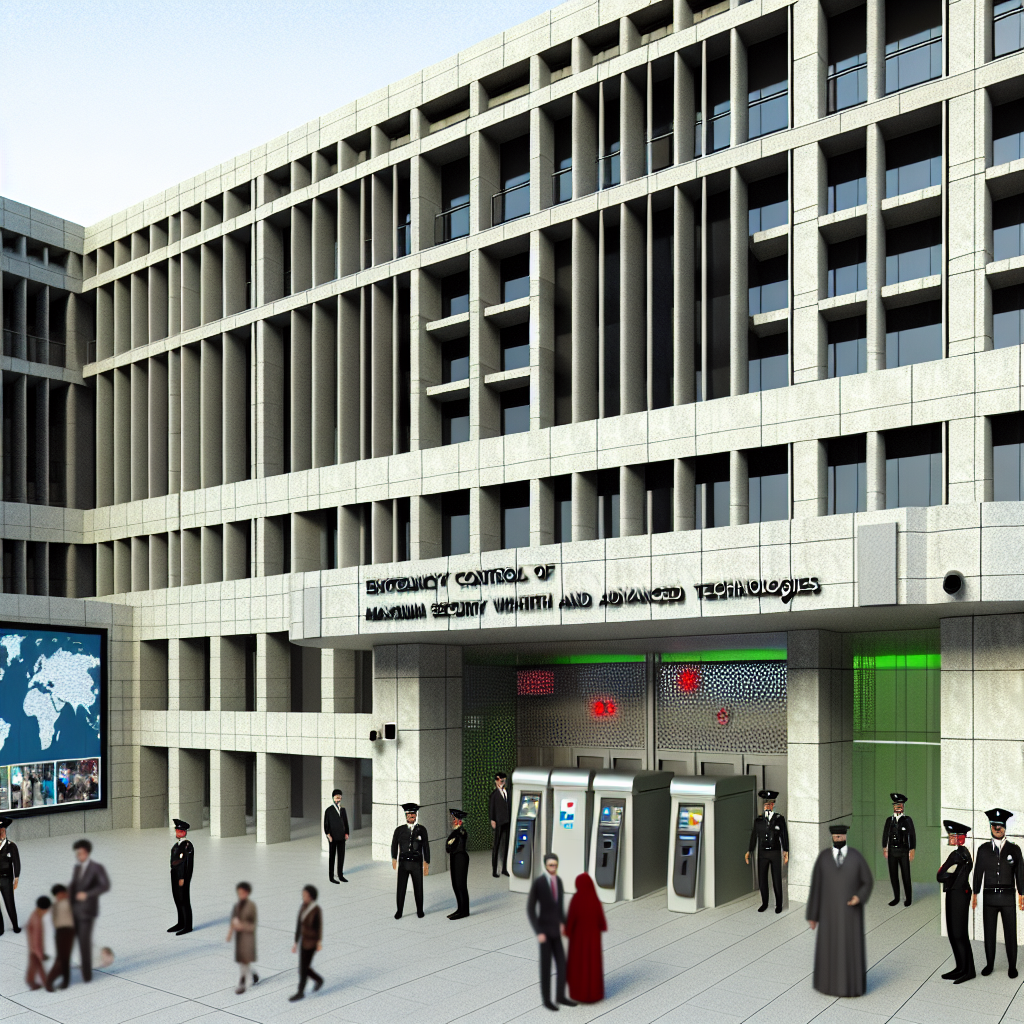
Die Sicherheit von Botschaften ist von größter Bedeutung, da sie als Vertretungen ihrer Heimatländer auf fremdem Boden dienen. Eine effektive Zutrittskontrolle für Botschaften ist daher unerlässlich, um die Sicherheit des Personals und der sensiblen Informationen zu gewährleisten, die sie beherbergen. Mit dem Fortschritt der Technologie haben sich auch die Methoden zur Gewährleistung dieser Sicherheit weiterentwickelt.
Zutrittskontrolle für Botschaften: Eine Notwendigkeit
Die Zutrittskontrolle für Botschaften ist ein entscheidender Aspekt der Sicherheitsmaßnahmen. Sie dient dazu, unbefugten Personen den Zutritt zu verweigern und gleichzeitig den autorisierten Personen einen reibungslosen Zugang zu ermöglichen. Die Zutrittskontrolle kann physisch, wie durch Wachen und Barrieren, oder digital, wie durch biometrische Scans und Passwörter, erfolgen.
Die Rolle der Technologie in der Zutrittskontrolle
Die Technologie spielt eine entscheidende Rolle bei der Verbesserung der Zutrittskontrolle für Botschaften. Mit fortschrittlichen Technologien wie biometrischen Scannern, Gesichtserkennungssystemen und digitalen Schlüsseln können Botschaften ihre Sicherheit erheblich verbessern. Diese Technologien ermöglichen eine genaue Identifizierung und Verifizierung von Personen, die versuchen, Zugang zu erhalten, und können dazu beitragen, Sicherheitsverletzungen zu verhindern.
Biometrische Scanner
Biometrische Scanner sind eine der fortschrittlichsten Technologien in der Zutrittskontrolle. Sie nutzen einzigartige körperliche Merkmale wie Fingerabdrücke, Iris-Scans oder Gesichtserkennung zur Identifizierung von Personen. Diese Technologie ist äußerst sicher, da sie schwer zu fälschen oder zu umgehen ist.
Gesichtserkennungssysteme
Gesichtserkennungssysteme sind eine weitere fortschrittliche Technologie, die in der Zutrittskontrolle eingesetzt wird. Sie nutzen KI-Algorithmen, um Gesichter zu analysieren und zu identifizieren. Diese Systeme sind in der Lage, auch bei Veränderungen des Aussehens, wie z.B. Bartwuchs oder Brillen, genaue Ergebnisse zu liefern.
Digitale Schlüssel
Digitale Schlüssel sind eine weitere Technologie, die in der Zutrittskontrolle eingesetzt wird. Sie ersetzen physische Schlüssel und ermöglichen den Zugang durch ein digitales Gerät wie ein Smartphone. Diese Technologie bietet eine hohe Sicherheit und Flexibilität, da sie leicht aktualisiert und angepasst werden kann.
Beispiel für den Einsatz von Technologie in der Zutrittskontrolle
Ein gutes Beispiel für den Einsatz von Technologie in der Zutrittskontrolle ist die US-Botschaft in London. Sie nutzt eine Kombination aus biometrischen Scannern und Gesichtserkennungssystemen, um die Sicherheit zu gewährleisten. Diese Technologien ermöglichen es der Botschaft, genau zu kontrollieren, wer Zugang hat, und helfen, Sicherheitsverletzungen zu verhindern.
Zutrittskontrolle für Botschaften: Maximale Sicherheit mit fortschrittlichen Technologien
Die Zutrittskontrolle für Botschaften hat sich mit der Entwicklung der Technologie erheblich verbessert. Fortschrittliche Technologien wie biometrische Scanner, Gesichtserkennungssysteme und digitale Schlüssel bieten eine hohe Sicherheit und Flexibilität. Sie ermöglichen es Botschaften, genau zu kontrollieren, wer Zugang hat, und tragen dazu bei, Sicherheitsverletzungen zu verhindern. Mit der weiteren Entwicklung der Technologie wird die Zutrittskontrolle für Botschaften noch sicherer und effizienter werden.