
Zutrittskontrolle an Türen: Effizienter Zugangsschutz für jedes Gebäude
Effiziente Zutrittskontrolle an Türen sorgt für sicheren Zugangsschutz in jedem Gebäude – flexibel, zuverlässig und individuell anpassbar.
Effiziente Zutrittskontrolle an Türen: Sicherheit neu gedacht
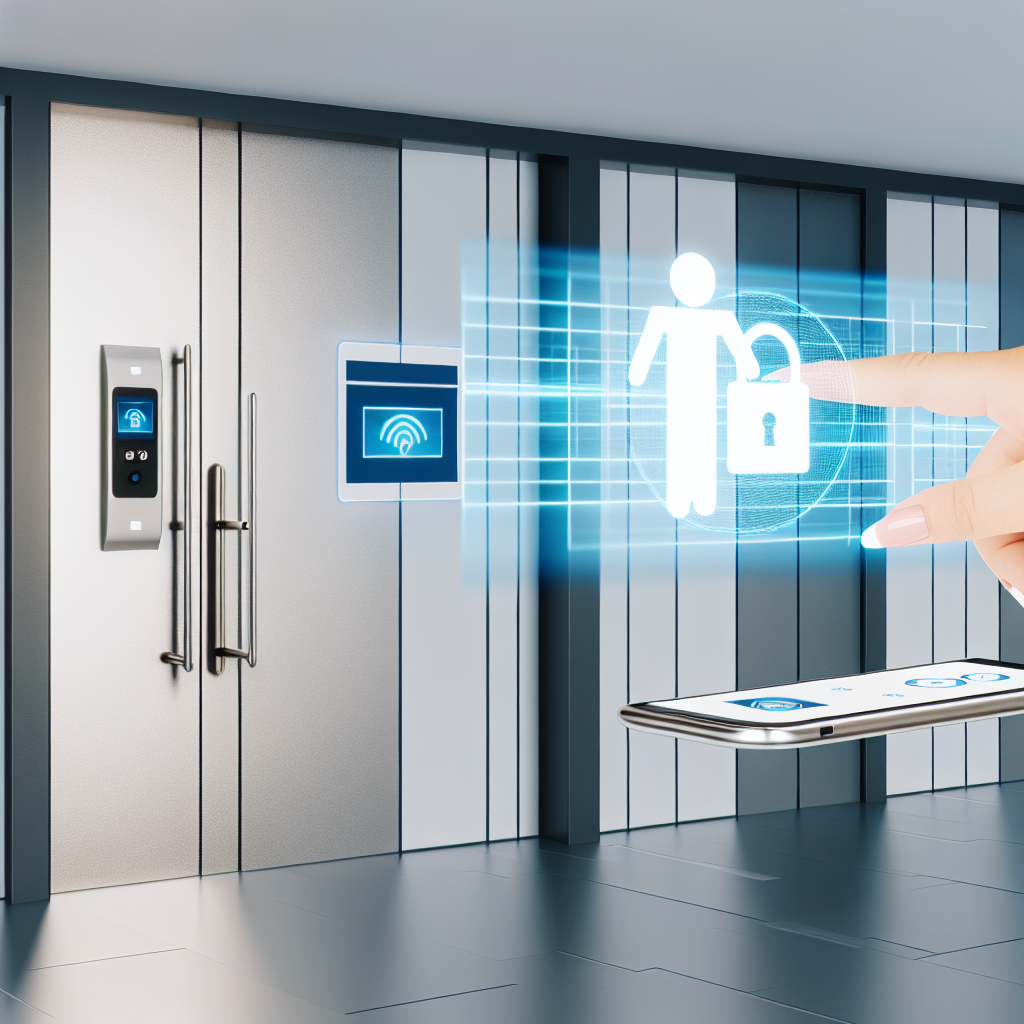
In einer zunehmend vernetzten Welt gewinnt die Zutrittskontrolle an Türen immer mehr an Bedeutung. Ob Bürogebäude, Industrieanlagen, Schulen oder Wohnhäuser – der Schutz von Personen, Daten und Sachwerten beginnt an der Eingangstür. Moderne Zutrittskontrollsysteme bieten nicht nur Sicherheit, sondern auch Komfort und Effizienz. In diesem Artikel erfahren Sie, wie zeitgemäße Lösungen zur Zutrittskontrolle funktionieren, welche Vorteile sie bieten und wie sie in der Praxis eingesetzt werden.
Hinweis zu AI-generierten Inhalten: Die Inhalte dieses Blogs werden mithilfe fortschrittlicher künstlicher Intelligenz erstellt. Obwohl wir uns bemühen, Ihnen stets präzise und nützliche Informationen zu bieten, kann es vorkommen, dass Fragen oder Unklarheiten bestehen bleiben. In solchen Fällen stehen Ihnen unsere Experten gerne zur Verfügung. Zögern Sie nicht, uns über die unten aufgeführten Kontaktmöglichkeiten zu erreichen. Unsere Spezialisten sind wahre Kenner ihres Fachs und helfen Ihnen gerne weiter!

Kontaktmöglichkeiten:

Feedback-Formular: Formular Ausfüllen
E-Mail: vertrieb@graef-gruppe.de
Telefon: +493069202294
Wir freuen uns auf Ihre Rückfragen und darauf, Ihnen bei jedem Anliegen behilflich zu sein!
Warum Zutrittskontrolle heute unverzichtbar ist
Die Anforderungen an Gebäudesicherheit haben sich in den letzten Jahren stark verändert. Während früher einfache Schlüssel ausreichten, setzen Unternehmen und Institutionen heute auf digitale Systeme, um den Zugang zu sensiblen Bereichen zu regeln. Gründe dafür sind unter anderem:
- Steigende Sicherheitsanforderungen durch Datenschutz und Compliance-Vorgaben
- Wachsende Bedrohung durch Einbruch, Vandalismus und unbefugten Zutritt
- Notwendigkeit zur Nachvollziehbarkeit von Zutrittsereignissen
- Flexibilität bei wechselnden Nutzergruppen (z. B. Mitarbeiter, Dienstleister, Besucher)
Eine moderne Zutrittskontrolle an der Tür ermöglicht es, genau zu definieren, wer wann und wo Zutritt erhält – und das ohne den Aufwand klassischer Schlüsselverwaltung.
Technologien der Zutrittskontrolle: Von RFID bis Biometrie
Die Auswahl an Technologien zur Zutrittskontrolle ist groß. Je nach Sicherheitsbedarf und Budget kommen unterschiedliche Systeme zum Einsatz:
- RFID-Karten: Weit verbreitet in Unternehmen. Nutzer erhalten eine personalisierte Karte, die an einem Lesegerät erkannt wird.
- PIN-Codes: Einfach zu implementieren, aber anfällig für Missbrauch, wenn Codes weitergegeben werden.
- Biometrische Systeme: Fingerabdruck, Iris-Scan oder Gesichtserkennung bieten höchste Sicherheit, da sie auf einzigartigen Merkmalen basieren.
- Mobile Zutrittskontrolle: Smartphones mit NFC oder Bluetooth ersetzen zunehmend physische Schlüssel oder Karten.
Viele Systeme kombinieren mehrere Technologien, um ein höheres Sicherheitsniveau zu erreichen – etwa durch Zwei-Faktor-Authentifizierung (z. B. Karte + PIN).
Praxisbeispiel: Zutrittskontrolle in einem Bürokomplex
Ein mittelständisches Unternehmen mit 150 Mitarbeitern entschied sich für die Einführung eines elektronischen Zutrittskontrollsystems. Ziel war es, den Zugang zu bestimmten Bereichen – wie Serverräumen, Archiv oder Geschäftsführungsetage – zu beschränken. Die Lösung bestand aus RFID-Lesern an allen Türen, einer zentralen Verwaltungssoftware und der Integration in das Zeiterfassungssystem.
Die Ergebnisse nach sechs Monaten:
- Reduzierung von Sicherheitsvorfällen um 80 %
- Deutliche Zeitersparnis bei der Verwaltung von Zutrittsrechten
- Erhöhte Transparenz durch Protokollierung aller Zutritte
Ein weiterer Vorteil: Bei Verlust einer Karte konnte der Zugang sofort gesperrt werden – ohne Austausch von Schlössern.
Rechtliche Aspekte und Datenschutz
Bei der Einführung einer Zutrittskontrolle an Türen sind auch rechtliche Rahmenbedingungen zu beachten. Besonders der Datenschutz spielt eine zentrale Rolle. Die Erfassung und Speicherung personenbezogener Daten – etwa bei biometrischen Systemen – unterliegt der Datenschutz-Grundverordnung (DSGVO).
Wichtige Punkte, die beachtet werden müssen:
- Transparente Information der Nutzer über Art und Zweck der Datenerhebung
- Einwilligung der betroffenen Personen bei biometrischen Verfahren
- Technische und organisatorische Maßnahmen zum Schutz der Daten
Eine enge Zusammenarbeit mit dem Datenschutzbeauftragten ist daher unerlässlich.
Zukunftstrends in der Zutrittskontrolle
Die Entwicklung im Bereich der Zutrittskontrolle schreitet rasant voran. Künstliche Intelligenz, Cloud-Lösungen und das Internet der Dinge (IoT) eröffnen neue Möglichkeiten:
- Cloudbasierte Systeme: Verwaltung und Überwachung von Zutrittsrechten über das Internet – ideal für verteilte Standorte.
- KI-gestützte Analyse: Erkennung ungewöhnlicher Zutrittsmuster zur frühzeitigen Gefahrenabwehr.
- Integration in Smart-Building-Konzepte: Verknüpfung mit Licht-, Klima- und Sicherheitssystemen für mehr Effizienz.
Diese Entwicklungen machen die Zutrittskontrolle nicht nur sicherer, sondern auch intelligenter und benutzerfreundlicher.
Zutrittskontrolle an Türen als Schlüssel zu mehr Sicherheit und Effizienz
Die Investition in eine moderne Zutrittskontrolle an Türen zahlt sich in vielerlei Hinsicht aus. Sie schützt nicht nur vor unbefugtem Zutritt, sondern verbessert auch interne Abläufe, erhöht die Transparenz und stärkt das Sicherheitsgefühl der Nutzer. Ob kleines Büro oder großer Industriebetrieb – für jedes Gebäude gibt es passende Lösungen, die sich flexibel an individuelle Anforderungen anpassen lassen.
Wer frühzeitig auf digitale Zutrittskontrollsysteme setzt, schafft die Grundlage für ein zukunftssicheres Sicherheitskonzept. Dabei gilt: Die beste Technologie entfaltet ihr volles Potenzial nur in Kombination mit klaren Prozessen, regelmäßiger Wartung und einer durchdachten Nutzerkommunikation.