
Zugangskontrollen: Effiziente Systeme für erhöhte Sicherheit in jeder Einrichtung
"Erhöhen Sie die Sicherheit Ihrer Einrichtung mit effizienten Zugangskontrollen. Optimale Lösungen für jeden Bedarf."
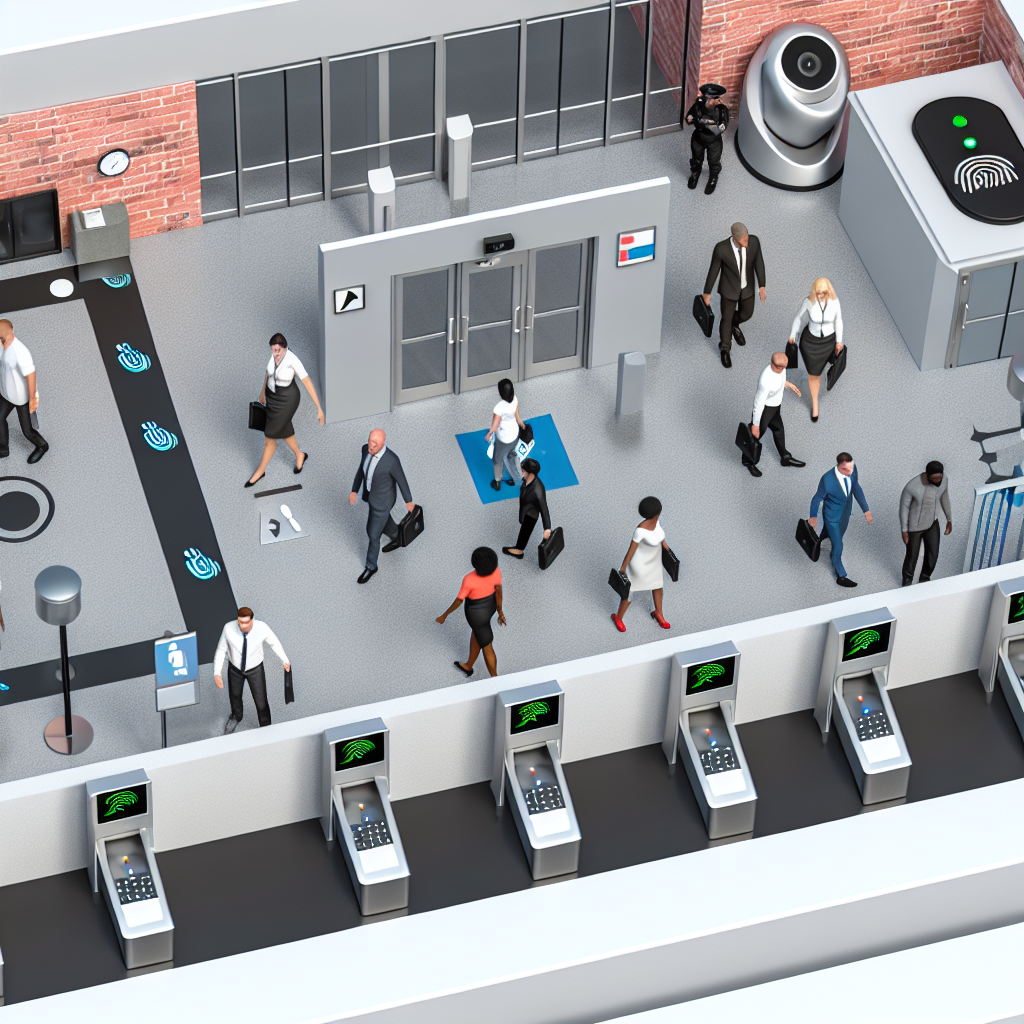
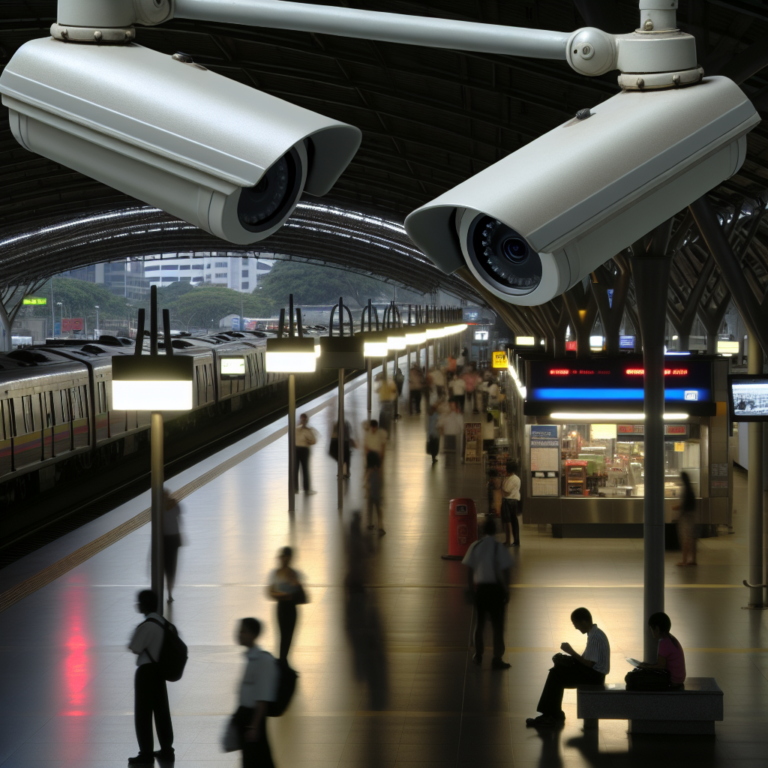
In der heutigen Zeit ist die Sicherheit in jeder Einrichtung von größter Bedeutung. Ob es sich um ein Bürogebäude, eine Schule, ein Krankenhaus oder ein Einkaufszentrum handelt, die Notwendigkeit, den Zugang zu kontrollieren und zu überwachen, ist unerlässlich. Hier kommen zugangskontrollen ins Spiel, die als effiziente Systeme für erhöhte Sicherheit dienen.
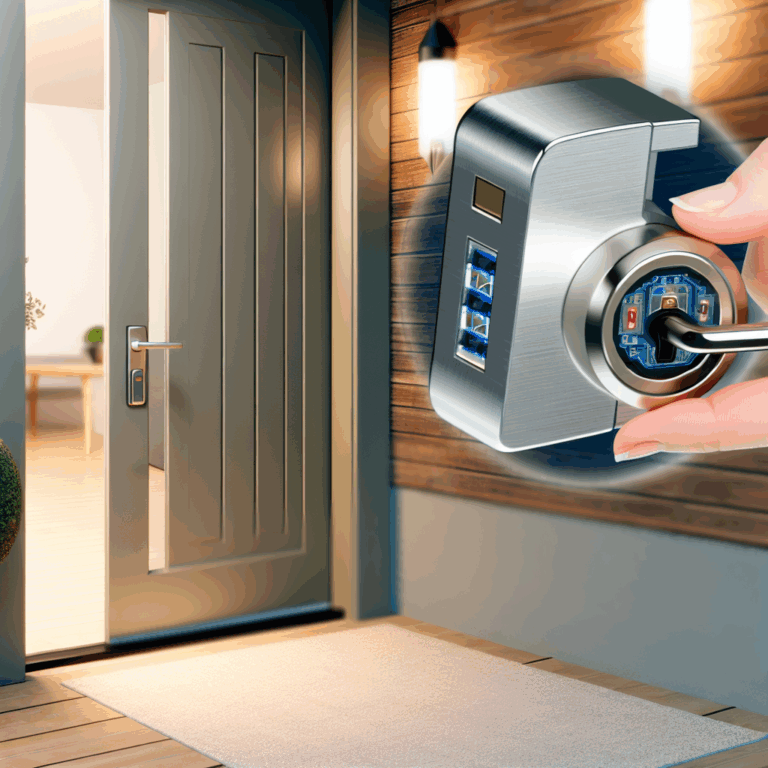
zugangskontrollen sind Sicherheitssysteme, die den Zugang zu einem Gebäude, einer Anlage oder einem Raum regulieren. Sie können physisch in Form von Schlössern und Schlüsseln oder technologisch in Form von biometrischen Scannern oder Passwortsystemen sein. Das Hauptziel von zugangskontrollen ist es, die Sicherheit zu erhöhen, indem nur autorisierten Personen der Zugang erlaubt wird.
Hinweis zu AI-generierten Inhalten: Die Inhalte dieses Blogs werden mithilfe fortschrittlicher künstlicher Intelligenz erstellt. Obwohl wir uns bemühen, Ihnen stets präzise und nützliche Informationen zu bieten, kann es vorkommen, dass Fragen oder Unklarheiten bestehen bleiben. In solchen Fällen stehen Ihnen unsere Experten gerne zur Verfügung. Zögern Sie nicht, uns über die unten aufgeführten Kontaktmöglichkeiten zu erreichen. Unsere Spezialisten sind wahre Kenner ihres Fachs und helfen Ihnen gerne weiter!

Kontaktmöglichkeiten:

Feedback-Formular: Formular Ausfüllen
E-Mail: vertrieb@graef-gruppe.de
Telefon: +493069202294
Wir freuen uns auf Ihre Rückfragen und darauf, Ihnen bei jedem Anliegen behilflich zu sein!
Warum sind Zugangskontrollen wichtig?
zugangskontrollen sind aus mehreren Gründen wichtig. Erstens helfen sie, Diebstahl und Vandalismus zu verhindern, indem sie den Zugang zu sensiblen Bereichen einschränken. Zweitens können sie dazu beitragen, die Sicherheit der Mitarbeiter und Besucher zu gewährleisten, indem sie den Zugang zu potenziell gefährlichen Bereichen kontrollieren. Drittens können sie dazu beitragen, die Einhaltung von Vorschriften und Standards zu gewährleisten, indem sie den Zugang zu bestimmten Bereichen oder Informationen kontrollieren.
Beispiele für effiziente Zugangskontrollsysteme
Es gibt verschiedene Arten von Zugangskontrollsystemen, die in verschiedenen Einrichtungen eingesetzt werden können. Hier sind einige Beispiele:
- Biometrische Systeme: Diese Systeme verwenden einzigartige physische oder verhaltensbezogene Merkmale einer Person, wie Fingerabdrücke, Gesichtserkennung oder Iris-Scans, um den Zugang zu kontrollieren.
- Kartensysteme: Diese Systeme verwenden Kartenleser und personalisierte Karten, um den Zugang zu bestimmten Bereichen zu kontrollieren.
- Passwort- oder PIN-Systeme: Diese Systeme erfordern die Eingabe eines Passworts oder einer PIN, um Zugang zu erhalten.
Effektive Implementierung von Zugangskontrollen
Die Implementierung von zugangskontrollen erfordert eine sorgfältige Planung und Überlegung. Hier sind einige Schritte, die befolgt werden sollten:
- Bedarfsanalyse: Bestimmen Sie, welche Bereiche gesichert werden müssen und welche Art von Zugangskontrollsystem am besten geeignet ist.
- Systemauswahl: Wählen Sie ein System, das Ihren spezifischen Anforderungen entspricht und leicht zu bedienen und zu warten ist.
- Installation: Stellen Sie sicher, dass das System korrekt installiert und konfiguriert ist, um maximale Sicherheit zu gewährleisten.
- Schulung: Stellen Sie sicher, dass alle Benutzer ordnungsgemäß geschult sind, um das System effektiv zu nutzen.
Zugangskontrollen: Ein Muss für erhöhte Sicherheit
zugangskontrollen sind ein unverzichtbares Werkzeug für die Sicherheit in jeder Einrichtung. Sie bieten nicht nur einen effektiven Schutz gegen unerwünschten Zugang, sondern tragen auch dazu bei, die Sicherheit der Mitarbeiter und Besucher zu gewährleisten und die Einhaltung von Vorschriften und Standards zu gewährleisten. Mit der richtigen Planung und Implementierung können zugangskontrollen dazu beitragen, ein sicheres und sicheres Umfeld zu schaffen.
Zugangskontrollen: Effiziente Systeme für erhöhte Sicherheit in jeder Einrichtung erweitert
Obwohl die Implementierung von zugangskontrollen eine Investition erfordert, sind die Vorteile, die sie bieten, unbestreitbar. Sie tragen nicht nur dazu bei, Diebstahl und Vandalismus zu verhindern, sondern können auch dazu beitragen, die Produktivität zu steigern, indem sie dazu beitragen, Ablenkungen zu minimieren und ein sichereres Arbeitsumfeld zu schaffen. Darüber hinaus können sie dazu beitragen, das Vertrauen der Kunden und der Öffentlichkeit zu stärken, indem sie zeigen, dass die Sicherheit eine Priorität ist. Insgesamt sind zugangskontrollen ein effizientes System für erhöhte Sicherheit in jeder Einrichtung.