
Videoüberwachung und Datenschutz: Was auf Privatgrundstücken erlaubt ist
Erfahren Sie, was bei Videoüberwachung auf Privatgrundstücken unter Beachtung des Datenschutzes rechtlich erlaubt ist.
Grundlagen der Videoüberwachung auf Privatgrundstücken
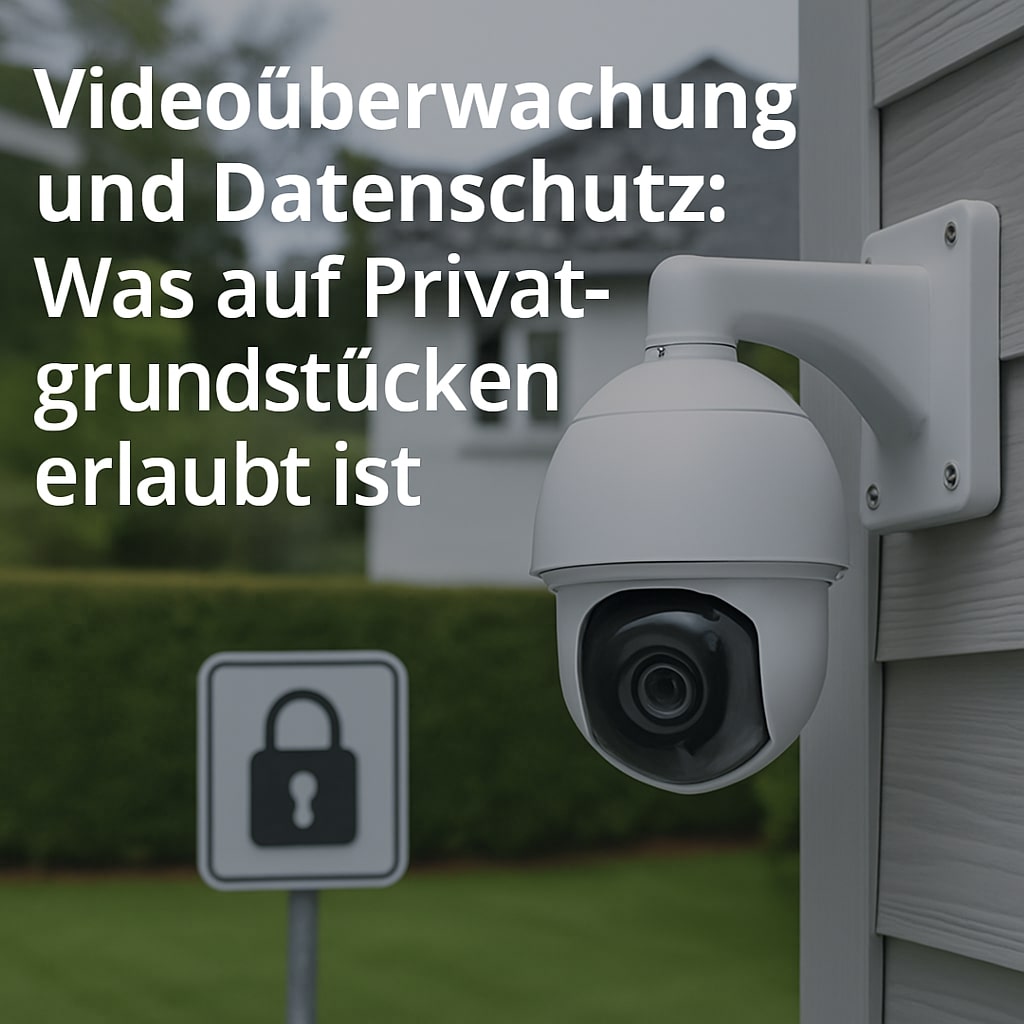
Die Installation von Überwachungskameras auf Privatgrundstücken ist ein Thema, das sowohl Sicherheitsbedürfnisse als auch Datenschutzbedenken berührt. In Deutschland ist die Videoüberwachung durch das Bundesdatenschutzgesetz (BDSG) sowie die Datenschutz-Grundverordnung (DSGVO) reguliert. Diese Gesetze stellen sicher, dass die Privatsphäre der Bürger geschützt wird, während sie gleichzeitig den Eigentümern erlauben, ihr Eigentum zu sichern.
Hinweis zu AI-generierten Inhalten: Die Inhalte dieses Blogs werden mithilfe fortschrittlicher künstlicher Intelligenz erstellt. Obwohl wir uns bemühen, Ihnen stets präzise und nützliche Informationen zu bieten, kann es vorkommen, dass Fragen oder Unklarheiten bestehen bleiben. In solchen Fällen stehen Ihnen unsere Experten gerne zur Verfügung. Zögern Sie nicht, uns über die unten aufgeführten Kontaktmöglichkeiten zu erreichen. Unsere Spezialisten sind wahre Kenner ihres Fachs und helfen Ihnen gerne weiter!

Kontaktmöglichkeiten:

Feedback-Formular: Formular Ausfüllen
E-Mail: vertrieb@graef-gruppe.de
Telefon: +493069202294
Wir freuen uns auf Ihre Rückfragen und darauf, Ihnen bei jedem Anliegen behilflich zu sein!
Was ist rechtlich erlaubt?
Die rechtlichen Rahmenbedingungen für die Videoüberwachung auf privaten Grundstücken sind klar definiert. Eigentümer dürfen Kameras installieren, um ihr Eigentum vor Einbruch oder Vandalismus zu schützen. Allerdings müssen sie die Persönlichkeitsrechte Dritter wahren. Das bedeutet:
- Die Kamera darf nur das eigene Grundstück erfassen und nicht öffentliche Bereiche oder Nachbargrundstücke.
- Betroffene Personen müssen über die Videoüberwachung informiert werden, in der Regel durch gut sichtbare Hinweisschilder.
- Die Aufnahmen dürfen nur für einen festgelegten Zweck verwendet und müssen nach einer bestimmten Frist gelöscht werden.
Datenschutzkonforme Videoüberwachung
Um den Datenschutz zu gewährleisten, sollten Eigentümer folgende Maßnahmen ergreifen:
- Installation von Kameras in Bereichen, die die Privatsphäre minimieren, wie Eingangsbereiche oder Garagen.
- Verwendung von Technologien, die das Gesicht unkenntlich machen oder Bereiche automatisch ausblenden, die nicht überwacht werden dürfen.
- Regelmäßige Überprüfung der Notwendigkeit der Videoüberwachung und Anpassung der Maßnahmen, falls erforderlich.
Beispiele und Fallstudien
In einem bekannten Fall aus dem Jahr 2018 wurde ein Hauseigentümer zu einer Geldstrafe verurteilt, weil seine Kamera einen öffentlichen Gehweg filmte. Dies verstieß gegen die Datenschutzbestimmungen, da die Passanten nicht über die Videoüberwachung informiert wurden und ihre Daten unrechtmäßig verarbeitet wurden.
In einem anderen Beispiel konnte ein Eigentümer durch den Einsatz von datenschutzkonformer Videoüberwachung mehrere Einbruchsversuche erfolgreich abwehren. Die Aufnahmen, die ausschließlich das eigene Grundstück zeigten und nach 72 Stunden gelöscht wurden, dienten als Beweismittel bei der Polizei.
Videoüberwachung und Datenschutz
Die Videoüberwachung auf Privatgrundstücken ist ein wirksames Mittel zur Erhöhung der Sicherheit. Jedoch ist es entscheidend, dass dabei die Datenschutzrichtlinien eingehalten werden. Eigentümer müssen sich stets der rechtlichen Grenzen bewusst sein und entsprechende Maßnahmen ergreifen, um die Privatsphäre anderer zu respektieren. Durch die Beachtung dieser Vorgaben lässt sich ein Gleichgewicht zwischen Sicherheit und Datenschutz herstellen.