
Videoüberwachung im Krankenhaus: Schutz für Patienten und Personal
"Videoüberwachung im Krankenhaus bietet optimalen Schutz für Patienten und Personal. Entdecken Sie die Vorteile und Möglichkeiten."
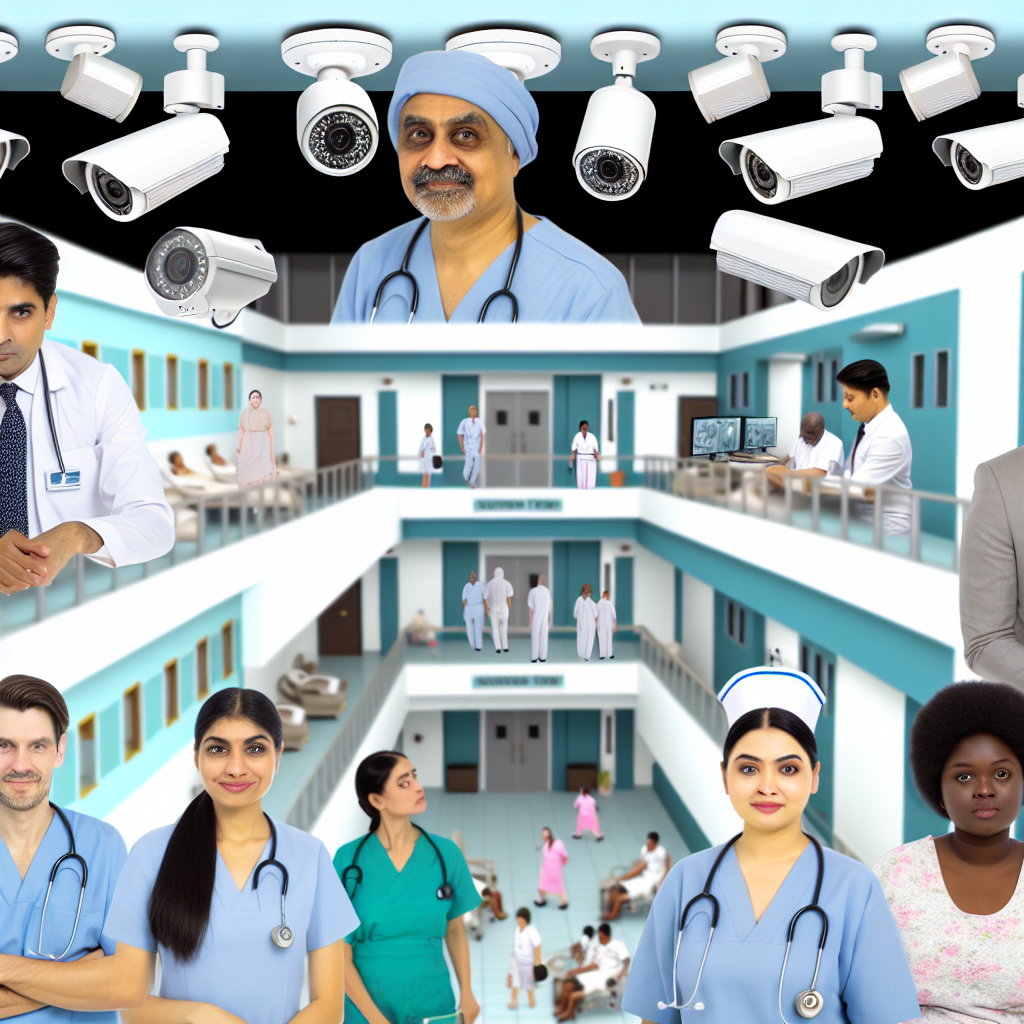
Die Videoüberwachung im Krankenhaus ist ein Thema, das in den letzten Jahren immer mehr an Bedeutung gewonnen hat. Sie dient nicht nur dem Schutz der Patienten und des Personals, sondern auch der Sicherheit der Einrichtung selbst. In diesem Artikel werden wir uns mit den Vorteilen und Herausforderungen der Videoüberwachung im Krankenhaus auseinandersetzen.
Die Notwendigkeit der Videoüberwachung im Krankenhaus
Die Videoüberwachung im Krankenhaus ist ein wichtiges Instrument zur Gewährleistung der Sicherheit aller Beteiligten. Sie kann dazu beitragen, Vorfälle wie Diebstahl, Vandalismus und Gewalt zu verhindern oder aufzuklären. Darüber hinaus kann sie auch dazu beitragen, die Einhaltung von Hygienevorschriften zu überwachen und die Qualität der Patientenversorgung zu verbessern.
Vorteile der Videoüberwachung im Krankenhaus
Die Videoüberwachung im Krankenhaus bietet eine Reihe von Vorteilen. Hier sind einige davon:
- Sicherheit: Die Kameras können dazu beitragen, die Sicherheit von Patienten, Personal und Besuchern zu gewährleisten. Sie können dazu beitragen, potenzielle Bedrohungen zu erkennen und rechtzeitig Maßnahmen zu ergreifen.
- Prävention: Die bloße Anwesenheit von Überwachungskameras kann abschreckend wirken und potenzielle Straftäter davon abhalten, Verbrechen zu begehen.
- Beweismaterial: Im Falle eines Vorfalls können die Aufnahmen als Beweismaterial dienen und bei der Aufklärung helfen.
- Qualitätskontrolle: Die Videoüberwachung kann auch dazu genutzt werden, die Qualität der Patientenversorgung zu überwachen und zu verbessern.
Herausforderungen bei der Videoüberwachung im Krankenhaus
Trotz der vielen Vorteile gibt es auch einige Herausforderungen, die bei der Implementierung von Videoüberwachung im Krankenhaus zu berücksichtigen sind. Dazu gehören Datenschutzbedenken, technische Herausforderungen und Kosten.
- Datenschutz: Krankenhäuser müssen sicherstellen, dass die Privatsphäre der Patienten gewahrt bleibt. Dies kann eine Herausforderung sein, insbesondere in sensiblen Bereichen wie Patientenzimmern oder Behandlungsräumen.
- Technische Herausforderungen: Die Installation und Wartung von Überwachungssystemen kann komplex und kostspielig sein. Zudem müssen die Systeme regelmäßig aktualisiert und gewartet werden, um ihre Effektivität zu gewährleisten.
- Kosten: Die Anschaffung, Installation und Wartung von Überwachungssystemen kann teuer sein. Krankenhäuser müssen daher sorgfältig prüfen, ob die Vorteile die Kosten rechtfertigen.
Beispiel für erfolgreiche Videoüberwachung im Krankenhaus
Ein gutes Beispiel für die erfolgreiche Implementierung von Videoüberwachung im Krankenhaus ist das Universitätsklinikum Hamburg-Eppendorf (UKE). Das UKE hat ein umfassendes Sicherheitskonzept entwickelt, das unter anderem die Videoüberwachung beinhaltet. Durch die Videoüberwachung konnte das UKE die Sicherheit von Patienten und Personal verbessern und gleichzeitig die Einhaltung von Hygienevorschriften überwachen.
Videoüberwachung im Krankenhaus: Ein wichtiger Schutz für Patienten und Personal
Zusammenfassend lässt sich sagen, dass die Videoüberwachung im Krankenhaus ein wichtiges Instrument zur Gewährleistung der Sicherheit und Qualität der Patientenversorgung ist. Sie bietet viele Vorteile, bringt aber auch Herausforderungen mit sich. Es ist daher wichtig, dass Krankenhäuser eine sorgfältige Planung und Implementierung durchführen, um die Vorteile der Videoüberwachung voll auszuschöpfen und gleichzeitig die Privatsphäre der Patienten zu wahren.