
Videoüberwachung im Krankenhaus: DSGVO-Konforme Lösungen für maximale Sicherheit
"DSGVO-konforme Videoüberwachung im Krankenhaus für maximale Sicherheit. Erfahren Sie mehr über datenschutzfreundliche Überwachungslösungen."
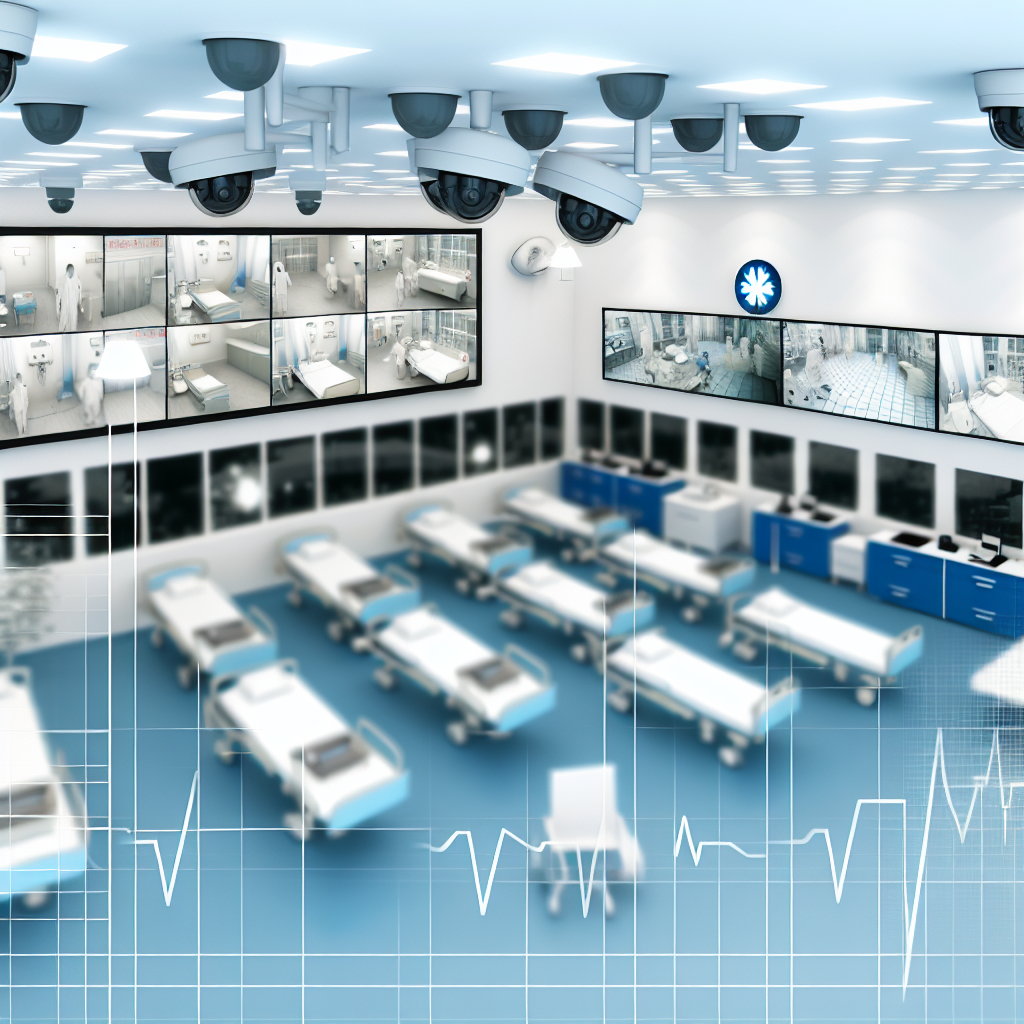
Die Videoüberwachung in Krankenhäusern ist ein wichtiges Instrument zur Gewährleistung der Sicherheit von Patienten, Personal und Besuchern. Sie hilft dabei, Vorfälle wie Diebstahl, Vandalismus und Gewalt zu verhindern und aufzuklären. Gleichzeitig stellt die Videoüberwachung im Krankenhaus eine Herausforderung in Bezug auf den Datenschutz dar. Die Datenschutz-Grundverordnung (DSGVO) stellt strenge Anforderungen an die Verarbeitung personenbezogener Daten, einschließlich Videoaufnahmen. In diesem Artikel werden wir uns mit DSGVO-konformen Lösungen für die Videoüberwachung im Krankenhaus beschäftigen.
Hinweis zu AI-generierten Inhalten: Die Inhalte dieses Blogs werden mithilfe fortschrittlicher künstlicher Intelligenz erstellt. Obwohl wir uns bemühen, Ihnen stets präzise und nützliche Informationen zu bieten, kann es vorkommen, dass Fragen oder Unklarheiten bestehen bleiben. In solchen Fällen stehen Ihnen unsere Experten gerne zur Verfügung. Zögern Sie nicht, uns über die unten aufgeführten Kontaktmöglichkeiten zu erreichen. Unsere Spezialisten sind wahre Kenner ihres Fachs und helfen Ihnen gerne weiter!

Kontaktmöglichkeiten:

Feedback-Formular: Formular Ausfüllen
E-Mail: vertrieb@graef-gruppe.de
Telefon: +493069202294
Wir freuen uns auf Ihre Rückfragen und darauf, Ihnen bei jedem Anliegen behilflich zu sein!
DSGVO und Videoüberwachung im Krankenhaus
Die DSGVO legt fest, dass personenbezogene Daten nur dann verarbeitet werden dürfen, wenn eine rechtliche Grundlage dafür besteht. Im Falle der Videoüberwachung im Krankenhaus kann dies das berechtigte Interesse des Krankenhauses an der Gewährleistung der Sicherheit sein. Allerdings muss dieses Interesse gegen das Recht der betroffenen Personen auf Schutz ihrer personenbezogenen Daten abgewogen werden.
Die DSGVO verlangt außerdem, dass die Verarbeitung personenbezogener Daten auf das notwendige Maß beschränkt wird. Das bedeutet, dass die Videoüberwachung im Krankenhaus so gestaltet sein muss, dass sie nur die Bereiche erfasst, die für die Sicherheit relevant sind. Private Bereiche wie Patientenzimmer dürfen in der Regel nicht überwacht werden.
DSGVO-konforme Lösungen für die Videoüberwachung im Krankenhaus
Um die Anforderungen der DSGVO zu erfüllen, können Krankenhäuser verschiedene Maßnahmen ergreifen. Hier sind einige Beispiele:
- Informationspflicht: Krankenhäuser müssen Personen, die von der Videoüberwachung erfasst werden könnten, darüber informieren. Dies kann durch gut sichtbare Hinweisschilder erfolgen.
- Datenschutz-Folgenabschätzung: Vor der Einführung einer Videoüberwachung sollte ein Krankenhaus eine Datenschutz-Folgenabschätzung durchführen. Diese hilft dabei, die Auswirkungen der Videoüberwachung auf die Privatsphäre der betroffenen Personen zu bewerten und geeignete Maßnahmen zur Minimierung dieser Auswirkungen zu identifizieren.
- Technische und organisatorische Maßnahmen: Krankenhäuser sollten geeignete technische und organisatorische Maßnahmen ergreifen, um die Sicherheit der verarbeiteten Daten zu gewährleisten. Dazu kann beispielsweise die Verschlüsselung der Videoaufnahmen oder der Einsatz von Zugangskontrollen gehören.
Beispiel für eine DSGVO-konforme Videoüberwachung im Krankenhaus
Ein gutes Beispiel für eine DSGVO-konforme Videoüberwachung im Krankenhaus ist das Universitätsklinikum Hamburg-Eppendorf (UKE). Das UKE hat eine umfassende Datenschutz-Folgenabschätzung durchgeführt und ein Datenschutzkonzept entwickelt, das die Anforderungen der DSGVO erfüllt. Die Videoüberwachung ist auf die öffentlichen Bereiche des Krankenhauses beschränkt und die Aufnahmen werden verschlüsselt und nur für einen begrenzten Zeitraum gespeichert. Zudem informiert das UKE die betroffenen Personen durch gut sichtbare Hinweisschilder über die Videoüberwachung.
Videoüberwachung im Krankenhaus: DSGVO-Konforme Lösungen für maximale Sicherheit
Zusammenfassend lässt sich sagen, dass die Videoüberwachung im Krankenhaus ein wirksames Mittel zur Gewährleistung der Sicherheit sein kann, wenn sie in Übereinstimmung mit der DSGVO durchgeführt wird. Durch die Einhaltung der Informationspflicht, die Durchführung einer Datenschutz-Folgenabschätzung und die Implementierung geeigneter technischer und organisatorischer Maßnahmen können Krankenhäuser die Privatsphäre der betroffenen Personen schützen und gleichzeitig ein hohes Maß an Sicherheit gewährleisten.
Welche Bereiche eines Krankenhauses dürfen überwacht werden?
Zulässig sind z. B. Eingänge, Notaufnahmen oder Parkplätze – jedoch nicht Patientenzimmer oder Sanitärbereiche.
Welche Technik eignet sich für die Kliniküberwachung besonders?
Empfohlen werden IP-Kameras mit hoher Auflösung, Datenschutzfunktionen und zentraler Steuerung über sichere Netzwerke.
Wie lässt sich Datenschutz mit Sicherheit im Krankenhaus vereinen?
Durch gezielte Kameraausrichtung, Zugriffsbeschränkungen, kurze Speicherzeiten und transparente Information der Betroffenen.