

Video surveillance for commercial landlords: rights, obligations and best systems
Video surveillance for commercial landlords: rights, obligations & top systems for legally compliant surveillance in commercial rental properties at a glance.
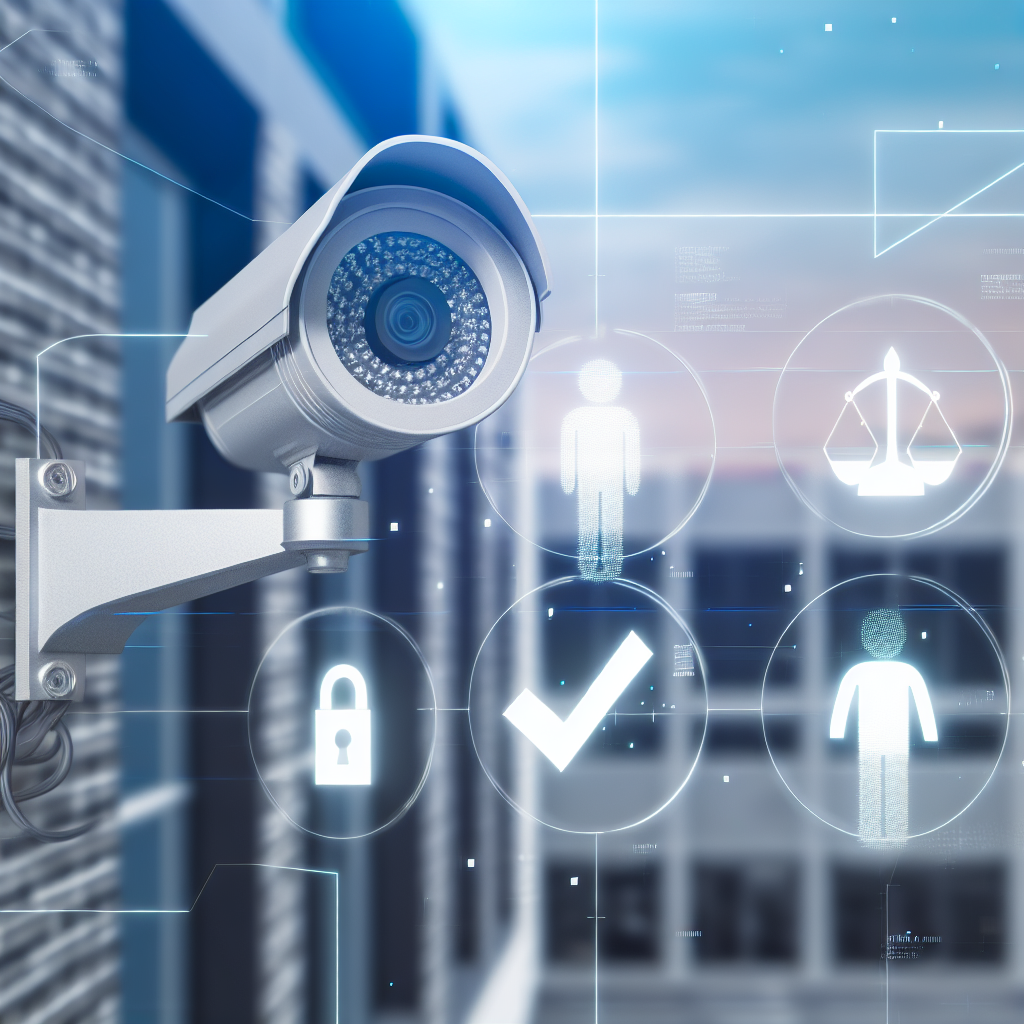
Video surveillance in business: What landlords need to know
Video surveillance for commercial landlords is a sensitive topic that brings with it both opportunities and legal challenges. While cameras can contribute to the security of rental properties, landlords must comply with numerous legal requirements. In this article, you will find out what rights and obligations landlords have and which systems are particularly suitable.
Note on AI-generated content: The content of this blog is created with the help of advanced artificial intelligence. Although we strive to always provide you with accurate and useful information, questions or ambiguities may remain. In such cases, our experts will be happy to help you. Please do not hesitate to contact us using the details below. Our specialists are true experts in their field and will be happy to help you!

Contact options:

 Feedback form: Fill out the form
Email: vertrieb@graef-gruppe.de
Phone: +493069202294
We look forward to your queries and to helping you with any concerns you may have!
Why video surveillance makes sense in the commercial sector
Commercial properties are often the target of break-ins, vandalism or unauthorized access. Well-planned video surveillance can help to prevent or solve crimes. It can also strengthen the sense of security of tenants and customers.
One example: according to a study conducted by the Federal Criminal Police Office in 2022, the burglary rate in commercial properties fell by up to 30% when visible video surveillance was installed. This shows how effective cameras can be as a deterrent.
Legal basis for landlords in commercial video surveillance
The installation of surveillance cameras is strictly regulated in Germany. Landlords must comply with the General Data Protection Regulation (GDPR) and the Federal Data Protection Act (BDSG). It is particularly important to weigh up the legitimate interest of the landlord against the personal rights of tenants and visitors.
- Transparency: Tenants must be informed about video surveillance. This can be done by means of signs or written notices.
- Earmarking: The cameras may only be used to avert danger or to secure evidence - not for general surveillance.
- Storage duration: Recordings may only be stored for as long as is necessary for the purpose - usually a maximum of 72 hours.
- No surveillance of private areas: Restrooms, break rooms or private offices may not be filmed.
A breach of these rules can lead to high fines. In 2021, for example, the data protection authority in Bavaria imposed a fine of 10,000 euros on a landlord who had installed cameras in the entrance area of an office building without consent.
Tenants' rights and how landlords can avoid conflicts
Tenants have the right to be informed about the type and scope of video surveillance. They can object to the surveillance if they feel their privacy is being violated. To avoid conflicts, landlords should seek discussions with tenants at an early stage and work out solutions together.
A tried and tested approach is to involve tenants in the planning. For example, a joint security committee can be formed to decide on the placement and operation of the cameras.
The best systems for video surveillance by landlords in the commercial sector
Choosing the right system is crucial for effective and legally compliant surveillance. Modern video surveillance systems offer numerous functions that are specially tailored to the needs of commercial landlords.
- IP cameras: These cameras can be easily integrated into existing networks and offer high image quality. They are ideal for large commercial properties.
- Cloud-based systems: The recordings are stored securely in the cloud and can be accessed from anywhere. This makes administration easier and increases data security.
- Motion detection and alarm functions: Intelligent systems detect unusual movements and automatically send notifications to the landlord or security service.
- GDPR-compliant software: Make sure that the software used offers functions such as automatic deletion and access control.
One example of a successfully implemented system is the "TechPark" business center in Cologne. A hybrid system consisting of IP cameras and cloud storage was installed there. Since its introduction, the number of attempted break-ins has fallen by 40% and the tenants praise the increased security.
Video surveillance for commercial landlords - security with responsibility
Video surveillance for commercial landlords offers many advantages, but requires a high degree of responsibility. Those who adhere to the legal requirements, maintain transparent communication with tenants and rely on modern, data protection-compliant systems can significantly increase the security of their property - without violating personal rights.
Whether a small office unit or a large commercial center: with the right planning and technology, video surveillance becomes a valuable tool for landlords in the commercial sector.