
Videoüberwachung für Kultureinrichtungen: Schutz von Kunst und Geschichte
"Videoüberwachung für Kultureinrichtungen: Gewährleisten Sie den Schutz von Kunst und Geschichte mit modernster Technologie."
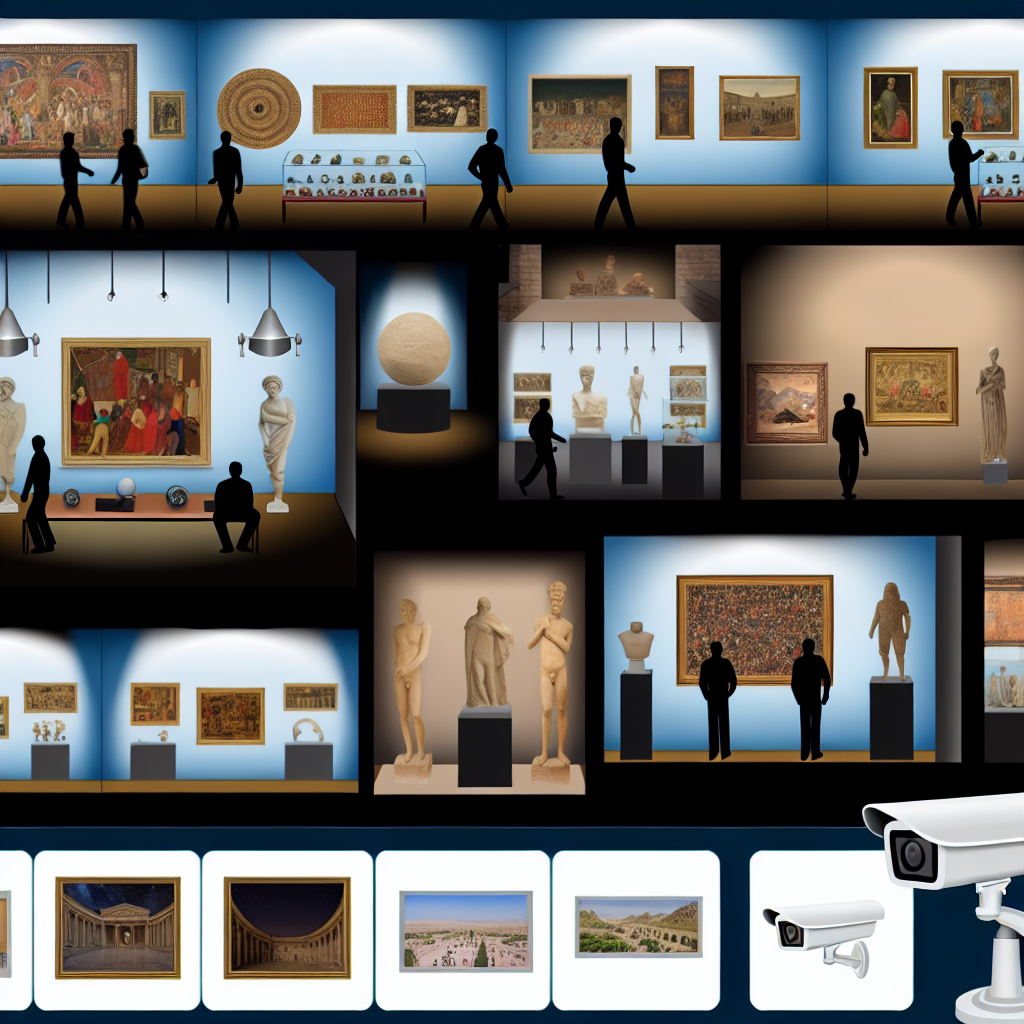
Die Sicherheit von Kultureinrichtungen ist ein zentrales Anliegen für die Bewahrung von Kunst und Geschichte. Eine effektive Methode zur Gewährleistung dieser Sicherheit ist die Videoüberwachung. In diesem Artikel werden wir die Bedeutung der Videoüberwachung für Kultureinrichtungen diskutieren und wie sie zum Schutz von Kunst und Geschichte beiträgt.
Hinweis zu AI-generierten Inhalten: Die Inhalte dieses Blogs werden mithilfe fortschrittlicher künstlicher Intelligenz erstellt. Obwohl wir uns bemühen, Ihnen stets präzise und nützliche Informationen zu bieten, kann es vorkommen, dass Fragen oder Unklarheiten bestehen bleiben. In solchen Fällen stehen Ihnen unsere Experten gerne zur Verfügung. Zögern Sie nicht, uns über die unten aufgeführten Kontaktmöglichkeiten zu erreichen. Unsere Spezialisten sind wahre Kenner ihres Fachs und helfen Ihnen gerne weiter!

Kontaktmöglichkeiten:

Feedback-Formular: Formular Ausfüllen
E-Mail: vertrieb@graef-gruppe.de
Telefon: +493069202294
Wir freuen uns auf Ihre Rückfragen und darauf, Ihnen bei jedem Anliegen behilflich zu sein!
Die Bedeutung der Videoüberwachung für Kultureinrichtungen
Die Videoüberwachung in Kultureinrichtungen spielt eine entscheidende Rolle bei der Sicherung wertvoller Kunstwerke und historischer Artefakte. Sie dient nicht nur der Abschreckung von Diebstahl und Vandalismus, sondern ermöglicht auch die Überwachung und Dokumentation von Ereignissen in Echtzeit, was für die Erhaltung und Pflege von Sammlungen von unschätzbarem Wert unerlässlich ist.
Prävention von Diebstahl und Vandalismus
Diebstahl und Vandalismus sind zwei der größten Bedrohungen für Kultureinrichtungen. Durch die Installation von Videoüberwachungssystemen können potenzielle Täter abgeschreckt und verdächtige Aktivitäten schnell erkannt werden. Ein Beispiel hierfür ist der Fall des Van Gogh Museums in Amsterdam, das nach der Installation eines umfassenden Videoüberwachungssystems einen signifikanten Rückgang von Diebstählen und Vandalismus verzeichnete.
Videoüberwachungssysteme ermöglichen es Kultureinrichtungen, Ereignisse in Echtzeit zu überwachen und zu dokumentieren. Dies ist besonders wichtig bei der Handhabung und Pflege von Kunstwerken und historischen Artefakten, da es ermöglicht, potenzielle Schäden oder Unregelmäßigkeiten schnell zu erkennen und zu adressieren.
Die Auswahl des richtigen Videoüberwachungssystems
Bei der Auswahl eines Videoüberwachungssystems für Kultureinrichtungen gibt es mehrere Faktoren zu berücksichtigen. Hier sind einige davon:
- Die Größe und das Layout der Einrichtung
- Die Art der ausgestellten Objekte
- Die spezifischen Sicherheitsanforderungen der Einrichtung
Es ist wichtig, ein System zu wählen, das eine hohe Bildqualität bietet, um detaillierte Aufnahmen zu ermöglichen. Darüber hinaus sollte das System in der Lage sein, bei unterschiedlichen Lichtverhältnissen zu funktionieren, da viele Kultureinrichtungen spezielle Beleuchtung für ihre Ausstellungen verwenden.
Die Zukunft der Videoüberwachung in Kultureinrichtungen
Die Technologie der Videoüberwachung entwickelt sich ständig weiter und bietet immer mehr Möglichkeiten für den Schutz von Kultureinrichtungen. Einige der neuesten Entwicklungen in diesem Bereich sind die Verwendung von künstlicher Intelligenz und maschinellem Lernen zur Erkennung von Anomalien und die Integration von Videoüberwachungssystemen mit anderen Sicherheitssystemen.
Videoüberwachung und künstliche Intelligenz
Die Integration von künstlicher Intelligenz in Videoüberwachungssysteme ermöglicht eine noch effektivere Überwachung. Durch die Verwendung von Algorithmen zur Mustererkennung können diese Systeme ungewöhnliche Aktivitäten erkennen und Alarme auslösen, bevor ein potenzieller Vorfall eintritt.
Integration mit anderen Sicherheitssystemen
Die Integration von Videoüberwachungssystemen mit anderen Sicherheitssystemen, wie z.B. Alarmanlagen und Zugangskontrollsystemen, ermöglicht eine umfassendere Sicherheitslösung. Dies kann dazu beitragen, die Reaktionszeit bei Sicherheitsvorfällen zu verkürzen und eine effektivere Verwaltung der Sicherheitsressourcen zu ermöglichen.
Videoüberwachung für Kultureinrichtungen: Ein unverzichtbares Werkzeug zum Schutz von Kunst und Geschichte
Zusammenfassend lässt sich sagen, dass die Videoüberwachung für Kultureinrichtungen ein unverzichtbares Werkzeug zum Schutz von Kunst und Geschichte ist. Durch die Bereitstellung einer effektiven Methode zur Prävention von Diebstahl und Vandalismus, zur Überwachung und Dokumentation von Ereignissen und zur Integration mit anderen Sicherheitssystemen trägt die Videoüberwachung wesentlich zur Erhaltung unseres kulturellen Erbes bei.