
Videoüberwachung für Gewerbe: Sicherheitslösungen für Unternehmen
"Videoüberwachung für Gewerbe: Optimieren Sie die Sicherheit Ihres Unternehmens mit unseren maßgeschneiderten Überwachungslösungen. Schutz und Kontrolle garantiert."
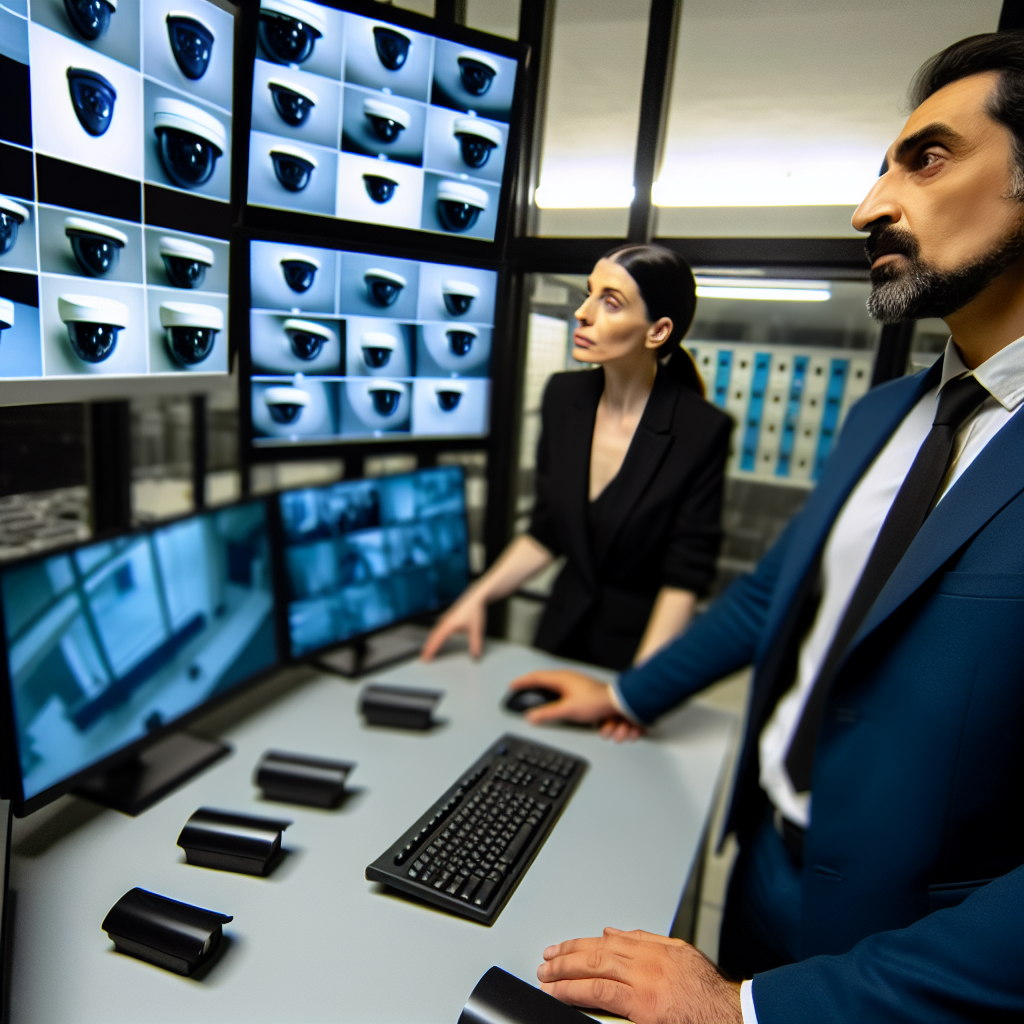
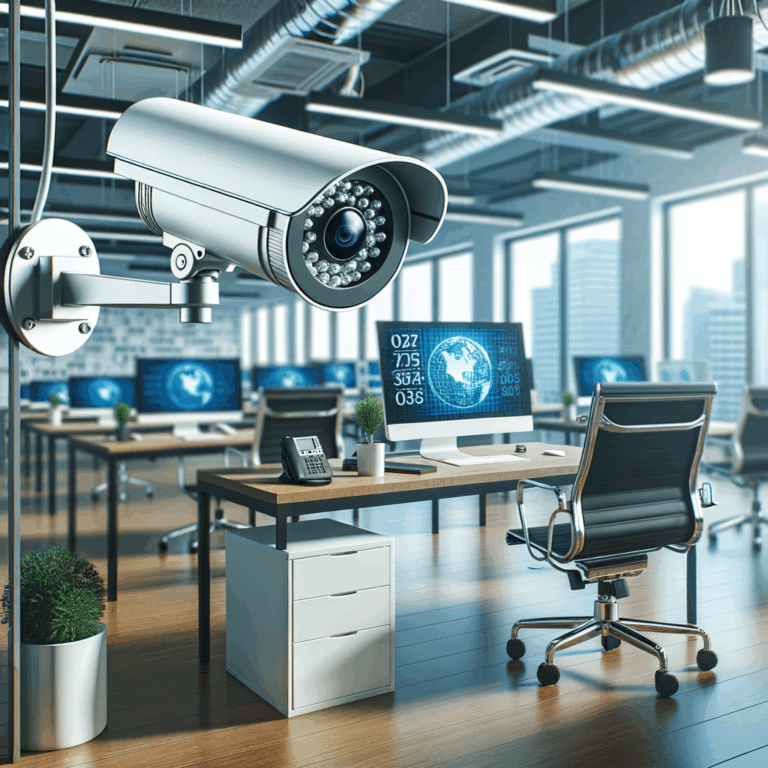
Die Sicherheit von Unternehmen ist ein zentrales Anliegen für jeden Geschäftsinhaber. Eine effektive Methode zur Gewährleistung der Sicherheit ist die Videoüberwachung. Die Videoüberwachung für Gewerbe bietet eine Reihe von Vorteilen, darunter die Abschreckung von Kriminalität, die Verbesserung der Mitarbeiterproduktivität und die Unterstützung bei der Aufklärung von Sicherheitsvorfällen. In diesem Artikel werden wir die verschiedenen Aspekte der Videoüberwachung für Gewerbe untersuchen und wie sie zur Verbesserung der Sicherheit in Unternehmen beitragen kann.
Hinweis zu AI-generierten Inhalten: Die Inhalte dieses Blogs werden mithilfe fortschrittlicher künstlicher Intelligenz erstellt. Obwohl wir uns bemühen, Ihnen stets präzise und nützliche Informationen zu bieten, kann es vorkommen, dass Fragen oder Unklarheiten bestehen bleiben. In solchen Fällen stehen Ihnen unsere Experten gerne zur Verfügung. Zögern Sie nicht, uns über die unten aufgeführten Kontaktmöglichkeiten zu erreichen. Unsere Spezialisten sind wahre Kenner ihres Fachs und helfen Ihnen gerne weiter!

Kontaktmöglichkeiten:

Feedback-Formular: Formular Ausfüllen
E-Mail: vertrieb@graef-gruppe.de
Telefon: +493069202294
Wir freuen uns auf Ihre Rückfragen und darauf, Ihnen bei jedem Anliegen behilflich zu sein!
Warum ist Videoüberwachung für Gewerbe wichtig?
Die Videoüberwachung ist ein wesentliches Element der Sicherheitsstrategie eines Unternehmens. Sie bietet nicht nur eine visuelle Aufzeichnung von Vorfällen, sondern dient auch als Abschreckung gegen potenzielle Straftäter. Laut einer Studie des Urban Institute in Washington D.C. sank die Kriminalitätsrate in Gebieten, in denen Überwachungskameras installiert waren, um mehr als 20%. Darüber hinaus kann die Videoüberwachung auch dazu beitragen, die Verantwortlichkeit der Mitarbeiter zu erhöhen und die Produktivität zu steigern.
Arten von Videoüberwachungssystemen für Gewerbe
Es gibt verschiedene Arten von Videoüberwachungssystemen, die für Unternehmen geeignet sind. Dazu gehören:
- Analoge Kameras: Diese sind kostengünstig und einfach zu installieren, bieten jedoch eine geringere Bildqualität als digitale Systeme.
- Digitale IP-Kameras: Diese bieten eine hohe Bildqualität und können über ein Netzwerk verbunden werden, was eine einfache Überwachung und Aufzeichnung ermöglicht.
- Drahtlose Kameras: Diese sind flexibel und einfach zu installieren, können jedoch anfällig für Störungen sein.
- PTZ-Kameras (Pan-Tilt-Zoom): Diese Kameras können sich drehen und zoomen, um einen größeren Bereich abzudecken.
Best Practices für die Implementierung von Videoüberwachung im Gewerbe
Die Implementierung eines Videoüberwachungssystems erfordert sorgfältige Planung und Überlegung. Hier sind einige Best Practices, die Unternehmen befolgen sollten:
- Entwickeln Sie einen klaren Plan: Bestimmen Sie, welche Bereiche überwacht werden sollen und welche Art von Kamera am besten geeignet ist.
- Beachten Sie die Datenschutzgesetze: Stellen Sie sicher, dass Ihr Überwachungssystem die Datenschutzgesetze und -vorschriften einhält.
- Wartung: Stellen Sie sicher, dass Ihr System regelmäßig gewartet wird, um eine optimale Leistung zu gewährleisten.
- Schulung: Stellen Sie sicher, dass Ihr Personal geschult ist, um das System effektiv zu nutzen und zu überwachen.
Videoüberwachung für Gewerbe: Ein Fallbeispiel
Ein gutes Beispiel für die Wirksamkeit der Videoüberwachung im Gewerbe ist das eines Einzelhandelsgeschäfts in Berlin. Nachdem das Geschäft mehrere Diebstähle erlebt hatte, entschied sich der Eigentümer für die Installation eines Videoüberwachungssystems. Innerhalb von sechs Monaten nach der Installation des Systems sank die Anzahl der Diebstähle um 30%. Darüber hinaus konnte das Geschäft mehrere Diebe identifizieren und zur Rechenschaft ziehen, was zu einer erhöhten Sicherheit und einem verbesserten Geschäftsbetrieb führte.
Videoüberwachung für Gewerbe: Sicherheitslösungen für Unternehmen
Die Videoüberwachung für Gewerbe ist eine effektive und kostengünstige Methode zur Verbesserung der Sicherheit in Unternehmen. Durch die Implementierung eines geeigneten Überwachungssystems können Unternehmen ihre Mitarbeiter, Kunden und Vermögenswerte schützen, die Produktivität steigern und potenzielle Straftaten abschrecken. Mit der richtigen Planung und Implementierung kann die Videoüberwachung ein wertvolles Werkzeug für die Sicherheit und den Erfolg eines Unternehmens sein.