
Videoüberwachung für die Industrie: Schutz und Kontrolle für große Anlagen
"Videoüberwachung für Industrie: Maximieren Sie den Schutz und die Kontrolle Ihrer großen Anlagen. Sicherheit und Effizienz in einem."
Die Industrie ist ein Sektor, der ständig wächst und sich weiterentwickelt. Mit dieser Entwicklung geht jedoch auch eine Zunahme von Risiken und Bedrohungen einher. Um diese zu minimieren, ist die Videoüberwachung für industrie unerlässlich. Sie bietet Schutz und Kontrolle für große Anlagen und trägt dazu bei, die Sicherheit und Effizienz zu erhöhen.
Warum ist Videoüberwachung für Industrie wichtig?
Die Videoüberwachung für industrie ist ein effektives Mittel, um die Sicherheit von Industrieanlagen zu gewährleisten. Sie ermöglicht eine kontinuierliche Überwachung der Anlagen und hilft dabei, potenzielle Gefahren frühzeitig zu erkennen. Darüber hinaus kann sie dazu beitragen, die Effizienz der Betriebsabläufe zu verbessern und Kosten zu senken.
Verbesserung der Sicherheit
Die Videoüberwachung kann dazu beitragen, die Sicherheit von Industrieanlagen zu verbessern. Sie ermöglicht eine kontinuierliche Überwachung der Anlagen und kann dabei helfen, potenzielle Gefahren frühzeitig zu erkennen. So können beispielsweise verdächtige Aktivitäten oder ungewöhnliche Vorfälle schnell erkannt und entsprechende Maßnahmen eingeleitet werden.
Steigerung der Effizienz
Die Videoüberwachung kann auch dazu beitragen, die Effizienz der Betriebsabläufe zu verbessern. Durch die kontinuierliche Überwachung der Anlagen können beispielsweise Produktionsausfälle oder technische Störungen frühzeitig erkannt und behoben werden. Dies kann dazu beitragen, Ausfallzeiten zu minimieren und die Produktivität zu steigern.
Wie funktioniert die Videoüberwachung für Industrie?
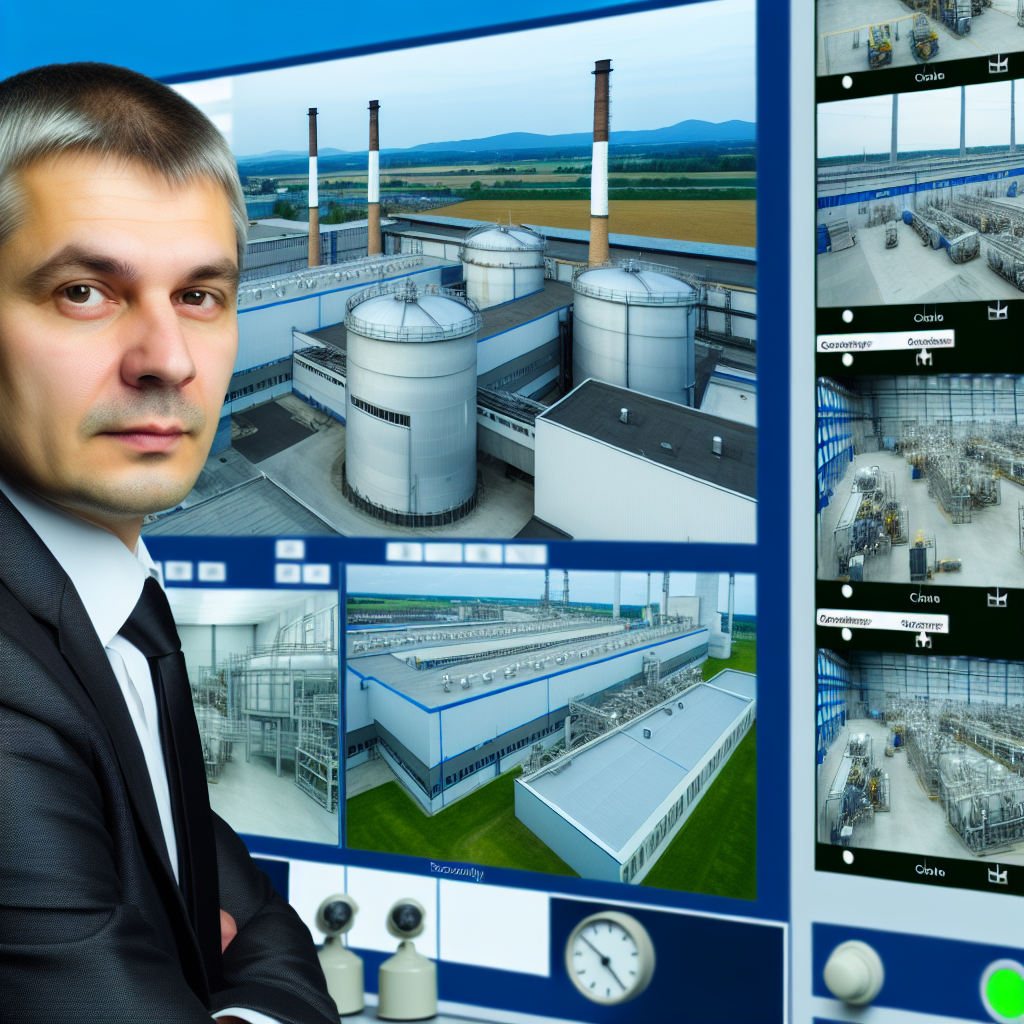
Die Videoüberwachung für industrie basiert auf dem Einsatz von Überwachungskameras, die an strategischen Punkten in den Industrieanlagen installiert werden. Diese Kameras erfassen kontinuierlich Bilder und Videos, die dann an einen zentralen Überwachungsraum übertragen werden. Dort können die Aufnahmen in Echtzeit angesehen oder für spätere Analysen gespeichert werden.
- Die Kameras können sowohl im Innen- als auch im Außenbereich der Anlagen installiert werden und ermöglichen so eine umfassende Überwachung.
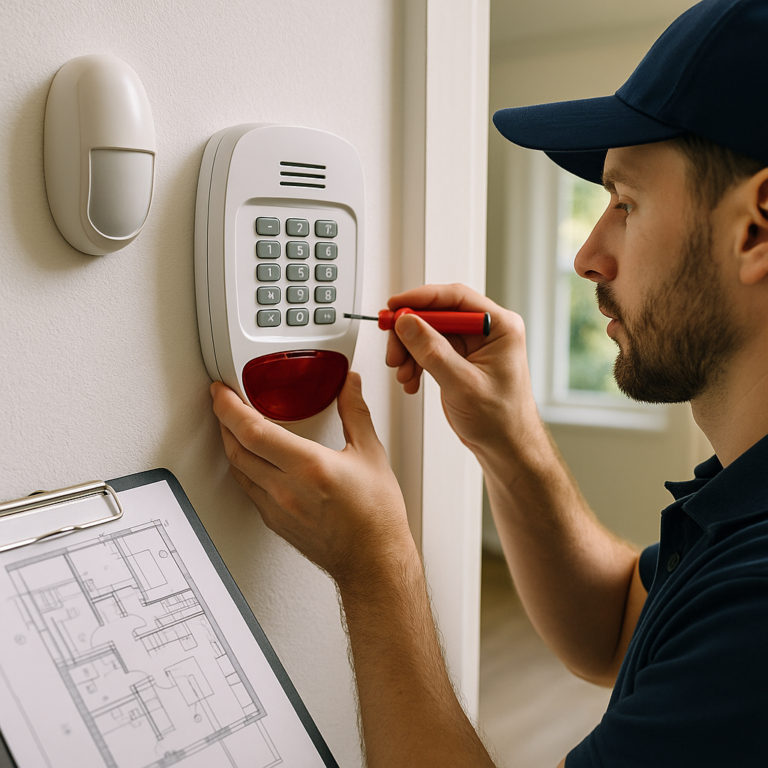
- Die Videoüberwachungssysteme können mit anderen Sicherheitssystemen, wie beispielsweise Alarmanlagen oder Zugangskontrollsystemen, vernetzt werden. Dies ermöglicht eine noch effektivere Überwachung und Kontrolle der Anlagen.
- Die modernen Videoüberwachungssysteme verfügen über fortschrittliche Funktionen wie Bewegungserkennung, Gesichtserkennung oder Wärmebildtechnologie, die eine noch präzisere Überwachung ermöglichen.
Beispiele für den Einsatz von Videoüberwachung in der Industrie
Die Videoüberwachung für industrie wird in einer Vielzahl von Branchen eingesetzt. Ein Beispiel ist die Chemieindustrie, wo sie dazu beiträgt, die Sicherheit der Anlagen zu gewährleisten und die Einhaltung von Sicherheitsvorschriften zu überwachen. Ein weiteres Beispiel ist die Automobilindustrie, wo sie dazu beiträgt, die Produktionsprozesse zu überwachen und die Qualität der Produkte zu sichern.
Videoüberwachung für Industrie: Schutz und Kontrolle für große Anlagen
Zusammenfassend lässt sich sagen, dass die Videoüberwachung für industrie ein unverzichtbares Werkzeug für den Schutz und die Kontrolle von großen Anlagen ist. Sie bietet nicht nur eine effektive Möglichkeit, die Sicherheit der Anlagen zu gewährleisten, sondern kann auch dazu beitragen, die Effizienz der Betriebsabläufe zu verbessern und Kosten zu senken. Mit der fortschreitenden technologischen Entwicklung werden die Möglichkeiten der Videoüberwachung in der Industrie weiter zunehmen, was ihre Bedeutung noch weiter unterstreicht.