

Videoüberwachung auf Privatgrundstücken: Was Sie über die Hinweispflicht wissen müssen
Erfahren Sie alles zur Hinweispflicht bei Videoüberwachung auf Privatgrundstücken. Rechtliche Aspekte, Tipps und mehr.
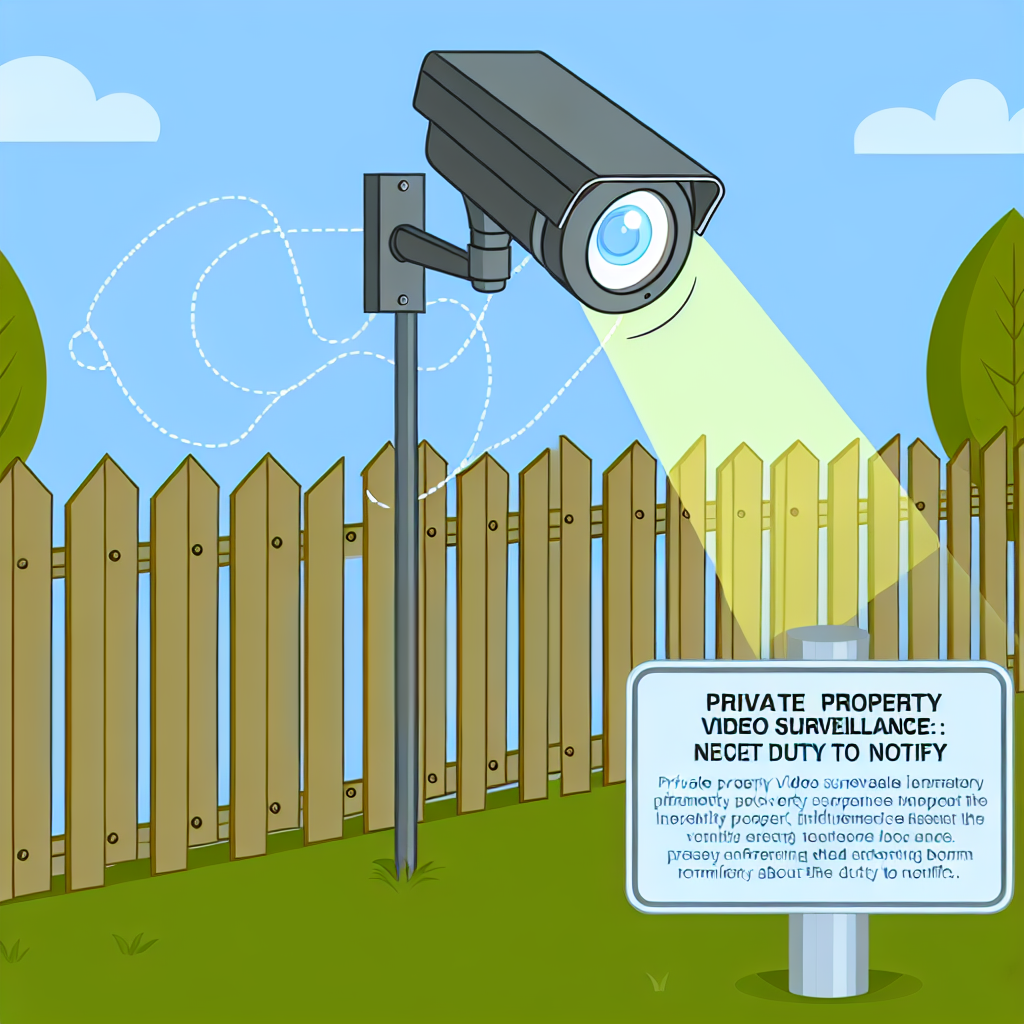
Die Videoüberwachung auf Privatgrundstücken ist ein Thema, das in den letzten Jahren immer mehr an Bedeutung gewonnen hat. Ob zur Abschreckung von Einbrechern, zur Überwachung des eigenen Grundstücks oder zur Sicherheit der eigenen Familie – die Gründe für die Installation einer Videoüberwachungsanlage sind vielfältig. Doch was viele nicht wissen: Bei der Videoüberwachung auf Privatgrundstücken gibt es eine Hinweispflicht. In diesem Artikel erfahren Sie, was Sie darüber wissen müssen.
Hinweis zu AI-generierten Inhalten: Die Inhalte dieses Blogs werden mithilfe fortschrittlicher künstlicher Intelligenz erstellt. Obwohl wir uns bemühen, Ihnen stets präzise und nützliche Informationen zu bieten, kann es vorkommen, dass Fragen oder Unklarheiten bestehen bleiben. In solchen Fällen stehen Ihnen unsere Experten gerne zur Verfügung. Zögern Sie nicht, uns über die unten aufgeführten Kontaktmöglichkeiten zu erreichen. Unsere Spezialisten sind wahre Kenner ihres Fachs und helfen Ihnen gerne weiter!

Kontaktmöglichkeiten:

Feedback-Formular: Formular Ausfüllen
E-Mail: vertrieb@graef-gruppe.de
Telefon: +493069202294
Wir freuen uns auf Ihre Rückfragen und darauf, Ihnen bei jedem Anliegen behilflich zu sein!
Was ist die Videoüberwachung Hinweispflicht?
Die Videoüberwachung Hinweispflicht besagt, dass der Betreiber einer Videoüberwachungsanlage auf einem Privatgrundstück dazu verpflichtet ist, Dritte über die Überwachung zu informieren. Dies geschieht in der Regel durch ein gut sichtbares Schild, das auf die Videoüberwachung hinweist. Die Hinweispflicht dient dem Schutz der Persönlichkeitsrechte der gefilmten Personen.
Warum ist die Hinweispflicht wichtig?
Die Hinweispflicht ist ein wichtiger Bestandteil des Datenschutzrechts. Sie soll sicherstellen, dass die Persönlichkeitsrechte der gefilmten Personen gewahrt bleiben. Ohne einen entsprechenden Hinweis könnten sich Personen unbewusst in einem überwachten Bereich aufhalten und ihre Persönlichkeitsrechte verletzt sehen. Zudem kann die Nichtbeachtung der Hinweispflicht zu empfindlichen Bußgeldern führen.
Beispiele für die Umsetzung der Hinweispflicht
Die Umsetzung der Hinweispflicht kann auf verschiedene Weise erfolgen. Ein gängiges Beispiel ist das Anbringen eines gut sichtbaren Schildes, das auf die Videoüberwachung hinweist. Dieses Schild sollte idealerweise an einem gut sichtbaren Ort angebracht werden und deutlich auf die Videoüberwachung hinweisen. Zudem sollte das Schild auch Informationen darüber enthalten, wer für die Überwachung verantwortlich ist.
- Ein weiteres Beispiel für die Umsetzung der Hinweispflicht ist die mündliche Information. Wenn Sie beispielsweise eine Party auf Ihrem Grundstück veranstalten und dabei eine Videoüberwachung einsetzen, sollten Sie Ihre Gäste darüber informieren.
- Ein drittes Beispiel ist die schriftliche Information. Wenn Sie beispielsweise ein Mietshaus besitzen und dort eine Videoüberwachung installieren, sollten Sie Ihre Mieter schriftlich darüber informieren.
Was passiert bei Nichtbeachtung der Hinweispflicht?
Die Nichtbeachtung der Hinweispflicht kann ernsthafte Konsequenzen haben. So kann es beispielsweise zu empfindlichen Bußgeldern kommen. Zudem kann die Nichtbeachtung der Hinweispflicht auch zivilrechtliche Folgen haben. So können die gefilmten Personen beispielsweise Schadensersatzansprüche geltend machen.
Videoüberwachung auf Privatgrundstücken: Was Sie über die Hinweispflicht wissen müssen
Zusammenfassend lässt sich sagen, dass die Videoüberwachung auf Privatgrundstücken eine effektive Methode zur Sicherung des eigenen Grundstücks sein kann. Allerdings sollten Sie dabei unbedingt die Hinweispflicht beachten. Informieren Sie Dritte über die Videoüberwachung, um ihre Persönlichkeitsrechte zu wahren und rechtliche Konsequenzen zu vermeiden. Ob durch ein Schild, mündlich oder schriftlich – die Art der Information hängt von den individuellen Umständen ab. Bei Unsicherheiten sollten Sie sich an einen Rechtsberater wenden.