
Videoüberwachung auf Privatgrundstücken: Was ist erlaubt?
Erfahren Sie, was bei der Videoüberwachung auf Privatgrundstücken erlaubt ist und wie Sie Ihre Sicherheit legal erhöhen können.
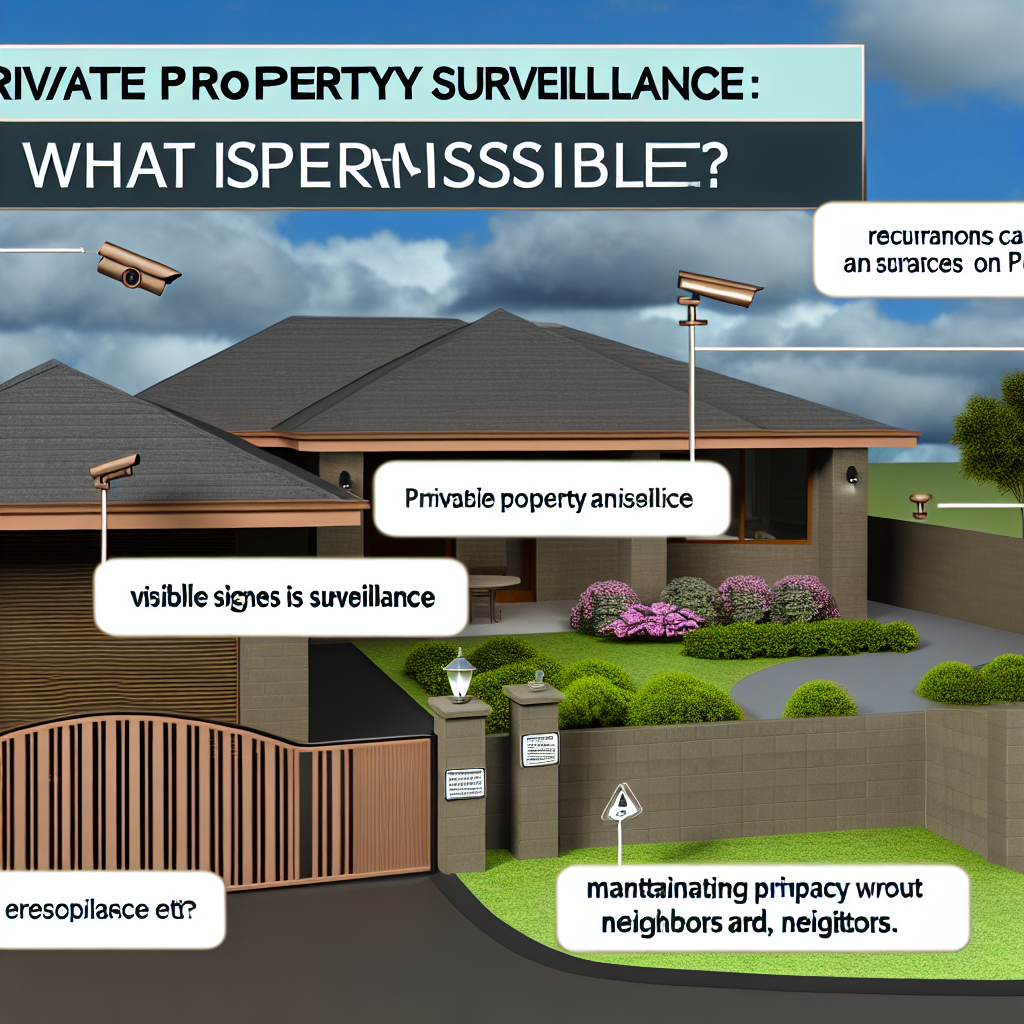
Die Videoüberwachung auf Privatgrundstücken ist ein Thema, das in den letzten Jahren immer mehr an Bedeutung gewonnen hat. Ob zur Abschreckung von Einbrechern, zur Überwachung des eigenen Grundstücks oder zur Sicherheit der eigenen Familie – die Gründe für die Installation einer Videoüberwachung sind vielfältig. Doch was ist erlaubt und was nicht? In diesem Artikel gehen wir auf die rechtlichen Aspekte der Videoüberwachung auf Privatgrundstücken ein.
Hinweis zu AI-generierten Inhalten: Die Inhalte dieses Blogs werden mithilfe fortschrittlicher künstlicher Intelligenz erstellt. Obwohl wir uns bemühen, Ihnen stets präzise und nützliche Informationen zu bieten, kann es vorkommen, dass Fragen oder Unklarheiten bestehen bleiben. In solchen Fällen stehen Ihnen unsere Experten gerne zur Verfügung. Zögern Sie nicht, uns über die unten aufgeführten Kontaktmöglichkeiten zu erreichen. Unsere Spezialisten sind wahre Kenner ihres Fachs und helfen Ihnen gerne weiter!

Kontaktmöglichkeiten:

Feedback-Formular: Formular Ausfüllen
E-Mail: vertrieb@graef-gruppe.de
Telefon: +493069202294
Wir freuen uns auf Ihre Rückfragen und darauf, Ihnen bei jedem Anliegen behilflich zu sein!
Rechtliche Grundlagen der Videoüberwachung auf Privatgrundstücken
Grundsätzlich ist die Videoüberwachung auf dem eigenen Privatgrundstück erlaubt. Allerdings gibt es einige Einschränkungen, die beachtet werden müssen. So darf beispielsweise nicht das gesamte Grundstück, sondern nur der eigene, private Bereich überwacht werden. Das bedeutet, dass öffentliche Wege oder Nachbargrundstücke nicht in den Überwachungsbereich fallen dürfen.
Des Weiteren muss die Videoüberwachung kenntlich gemacht werden. Das bedeutet, dass ein Hinweisschild angebracht werden muss, das auf die Überwachung hinweist. Dies dient dem Schutz der Persönlichkeitsrechte von Passanten und Nachbarn.
Videoüberwachung und Datenschutz
Ein weiterer wichtiger Aspekt bei der Videoüberwachung auf Privatgrundstücken ist der Datenschutz. Die Aufzeichnungen dürfen nur für den vorgesehenen Zweck verwendet werden und müssen nach einer bestimmten Zeit gelöscht werden. Zudem dürfen die Aufnahmen nicht an Dritte weitergegeben werden, es sei denn, es liegt eine gesetzliche Verpflichtung vor.
Bei Verstößen gegen diese Datenschutzbestimmungen können hohe Bußgelder drohen. Daher ist es wichtig, sich vor der Installation einer Videoüberwachung ausführlich über die rechtlichen Rahmenbedingungen zu informieren.
Beispiele für zulässige und unzulässige Videoüberwachung
Ein Beispiel für eine zulässige Videoüberwachung wäre die Überwachung des eigenen Eingangsbereichs. Hierbei darf jedoch nur der eigene Eingangsbereich und nicht der öffentliche Gehweg oder das Nachbargrundstück erfasst werden.
Unzulässig wäre hingegen die Überwachung des gesamten Grundstücks, einschließlich öffentlicher Wege oder Nachbargrundstücke. Auch die Überwachung von Räumen, in denen sich Personen unbekleidet aufhalten könnten (z.B. Schlafzimmer oder Badezimmer), ist unzulässig.
Videoüberwachung auf Privatgrundstücken: Was ist erlaubt?
Zusammenfassend lässt sich sagen, dass die Videoüberwachung auf Privatgrundstücken grundsätzlich erlaubt ist, sofern sie den rechtlichen Vorgaben entspricht. Dazu gehört insbesondere, dass nur der eigene, private Bereich überwacht werden darf und dass die Überwachung kenntlich gemacht werden muss.
Bei der Installation einer Videoüberwachung sollte daher immer ein Fachmann hinzugezogen werden, der sich mit den rechtlichen Rahmenbedingungen auskennt. So kann sichergestellt werden, dass die Videoüberwachung den gesetzlichen Vorgaben entspricht und keine rechtlichen Probleme entstehen.
Die Videoüberwachung auf Privatgrundstücken kann ein effektives Mittel zur Abschreckung von Einbrechern und zur Sicherheit der eigenen Familie sein. Allerdings sollte sie immer mit Bedacht und unter Beachtung der rechtlichen Vorgaben eingesetzt werden.