
Überwachung mit Videokamera: Was Sie beim Einsatz beachten sollten
Erfahren Sie, was Sie beim Einsatz einer Videokamera für Überwachung rechtlich und technisch beachten sollten – für Sicherheit im privaten Bereich.
Rechtliche Grundlagen der Videoüberwachung
Die Überwachung mit Videokamera ist in Deutschland ein sensibles Thema, das sowohl Chancen als auch Risiken birgt. Wer eine Videokamera für Überwachung einsetzen möchte, muss sich an klare gesetzliche Vorgaben halten. Grundlage ist vor allem die Datenschutz-Grundverordnung (DSGVO) sowie das Bundesdatenschutzgesetz (BDSG).
Private und gewerbliche Nutzer dürfen Kameras nur dann einsetzen, wenn ein berechtigtes Interesse besteht – etwa zum Schutz von Eigentum oder zur Abwehr von Straftaten. Gleichzeitig muss die Überwachung verhältnismäßig sein und darf keine Persönlichkeitsrechte verletzen. Öffentliche Bereiche wie Gehwege oder Nachbargrundstücke dürfen nicht ohne Weiteres gefilmt werden.
Hinweis zu AI-generierten Inhalten: Die Inhalte dieses Blogs werden mithilfe fortschrittlicher künstlicher Intelligenz erstellt. Obwohl wir uns bemühen, Ihnen stets präzise und nützliche Informationen zu bieten, kann es vorkommen, dass Fragen oder Unklarheiten bestehen bleiben. In solchen Fällen stehen Ihnen unsere Experten gerne zur Verfügung. Zögern Sie nicht, uns über die unten aufgeführten Kontaktmöglichkeiten zu erreichen. Unsere Spezialisten sind wahre Kenner ihres Fachs und helfen Ihnen gerne weiter!

Kontaktmöglichkeiten:

Feedback-Formular: Formular Ausfüllen
E-Mail: vertrieb@graef-gruppe.de
Telefon: +493069202294
Wir freuen uns auf Ihre Rückfragen und darauf, Ihnen bei jedem Anliegen behilflich zu sein!
Technische Aspekte: Was eine gute Überwachungskamera ausmacht
Die Auswahl der richtigen Videokamera für Überwachung hängt von verschiedenen Faktoren ab. Moderne Systeme bieten eine Vielzahl an Funktionen, die je nach Einsatzgebiet sinnvoll sein können.
- Auflösung: Für eine klare Identifikation von Personen und Objekten ist eine hohe Bildqualität entscheidend. Full-HD oder 4K sind heute Standard.
- Nachtsicht: Infrarot-LEDs ermöglichen auch bei Dunkelheit eine effektive Überwachung.
- Bewegungserkennung: Intelligente Kameras starten die Aufzeichnung nur bei Bewegung, was Speicherplatz spart.
- Cloud-Speicherung: Viele Systeme bieten die Möglichkeit, Aufnahmen sicher in der Cloud zu speichern.
- App-Steuerung: Über mobile Apps kann die Kamera aus der Ferne gesteuert und überwacht werden.
Ein Beispiel: In einer Studie des Branchenverbands Bitkom aus dem Jahr 2022 gaben 38 % der befragten Unternehmen an, bereits auf smarte Videoüberwachungssysteme mit KI-Unterstützung zu setzen.
Datenschutz und Privatsphäre: So vermeiden Sie rechtliche Probleme
Ein häufiger Fehler bei der Installation von Überwachungskameras ist die Missachtung der Privatsphäre Dritter. Wer eine Kamera installiert, muss deutlich sichtbar auf die Videoüberwachung hinweisen – etwa durch ein Schild mit Kamerasymbol und Datenschutzhinweis.
Darüber hinaus gilt:
- Die Aufnahmen dürfen nur so lange gespeichert werden, wie es für den Zweck erforderlich ist.
- Betroffene Personen haben ein Auskunftsrecht über die gespeicherten Daten.
- Die Daten müssen vor unbefugtem Zugriff geschützt werden – etwa durch Verschlüsselung.
Ein Fall aus München zeigt, wie wichtig die Einhaltung dieser Regeln ist: Ein Hausbesitzer wurde 2021 zu einer Geldstrafe verurteilt, weil seine Kamera auch den Gehweg vor dem Haus filmte – ein klarer Verstoß gegen die DSGVO.
Private Nutzung: Was ist erlaubt, was nicht?
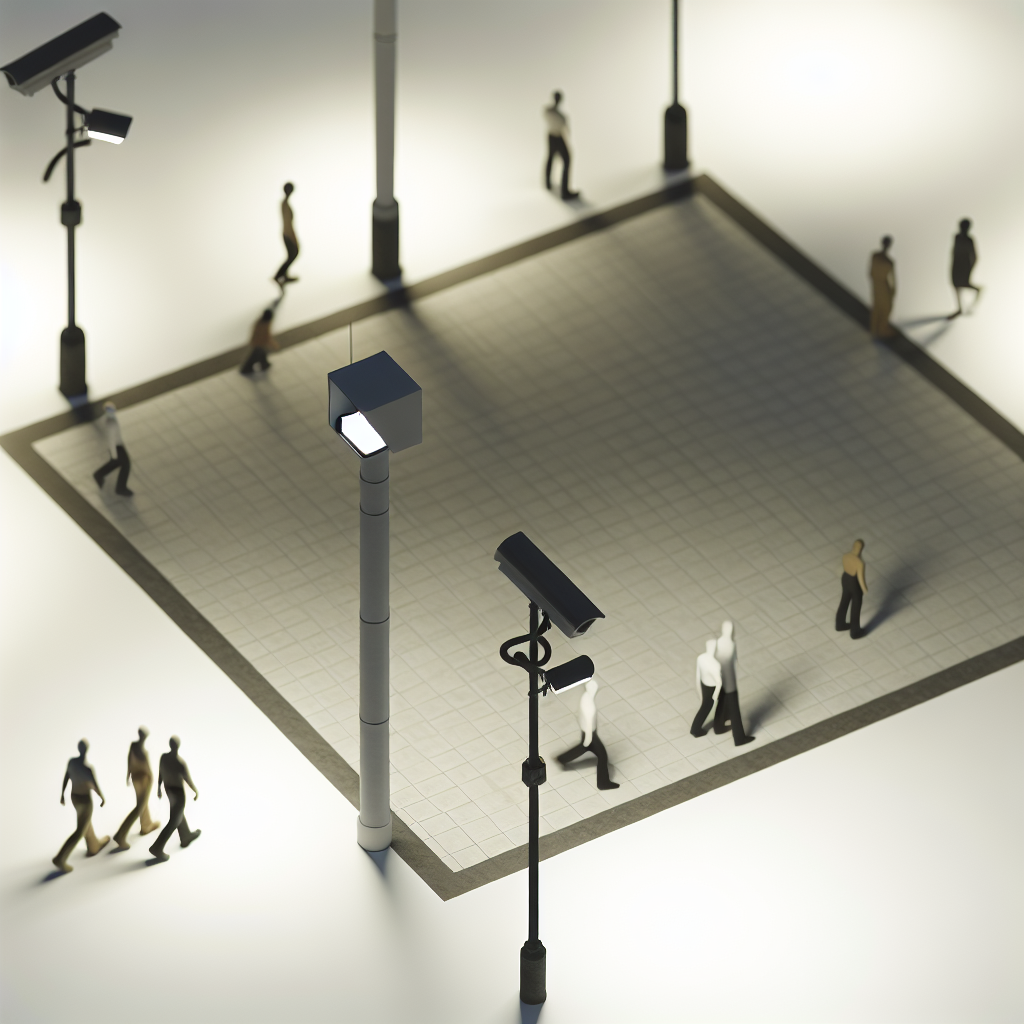
Im privaten Bereich ist die Überwachung mit Videokamera grundsätzlich erlaubt – allerdings nur auf dem eigenen Grundstück. Sobald öffentliche Flächen oder Nachbargrundstücke erfasst werden, ist dies unzulässig.
Ein Beispiel: Wer seine Einfahrt überwacht, darf die Kamera so ausrichten, dass nur das eigene Grundstück erfasst wird. Der Nachbarzaun oder der Bürgersteig dürfen nicht im Bild sein. Auch in Mehrfamilienhäusern ist Vorsicht geboten: Die Überwachung gemeinschaftlicher Bereiche wie Treppenhäuser oder Tiefgaragen bedarf der Zustimmung aller Miteigentümer oder Mieter.
Gewerbliche Nutzung: Sicherheit und Verantwortung
In Unternehmen dient die Videoüberwachung häufig der Diebstahlprävention oder dem Schutz sensibler Bereiche. Hier gelten besonders strenge Anforderungen an Transparenz und Verhältnismäßigkeit.
Beispielsweise muss die Belegschaft über die Überwachung informiert werden, und es dürfen keine Arbeitsplätze dauerhaft überwacht werden – es sei denn, es besteht ein konkreter Verdacht auf eine Straftat. Auch hier ist eine Datenschutz-Folgenabschätzung oft erforderlich.
Ein positives Beispiel liefert ein Einzelhandelsunternehmen in Hamburg: Durch den gezielten Einsatz von Kameras in Eingangsbereichen und Kassen konnte die Diebstahlquote um 25 % gesenkt werden – ohne dabei die Privatsphäre der Kunden zu verletzen.
Worauf Sie beim Einsatz einer Videokamera für Überwachung achten sollten
Die Videokamera für Überwachung ist ein effektives Mittel zur Erhöhung der Sicherheit – sowohl im privaten als auch im gewerblichen Bereich. Doch der Einsatz will gut überlegt und rechtlich abgesichert sein. Wer sich an die geltenden Datenschutzbestimmungen hält, technisch hochwertige Systeme einsetzt und die Privatsphäre Dritter respektiert, kann von den Vorteilen der Videoüberwachung profitieren, ohne rechtliche Konsequenzen zu riskieren.
Zusammengefasst sollten Sie folgende Punkte beachten:
- Prüfen Sie, ob ein berechtigtes Interesse an der Überwachung besteht.
- Wählen Sie eine Kamera mit den passenden technischen Funktionen.
- Informieren Sie Betroffene transparent über die Überwachung.
- Vermeiden Sie die Erfassung öffentlicher oder fremder Bereiche.
- Sichern Sie die gespeicherten Daten vor unbefugtem Zugriff.
Mit einem verantwortungsvollen Umgang und der richtigen Videokamera für Überwachung schaffen Sie ein sicheres Umfeld – ohne dabei die Rechte anderer zu verletzen.