
Sitzung der Bundesfachkommission Cybersicherheit – Aktuelle Impulse zur digitalen Sicherheit in Deutschland
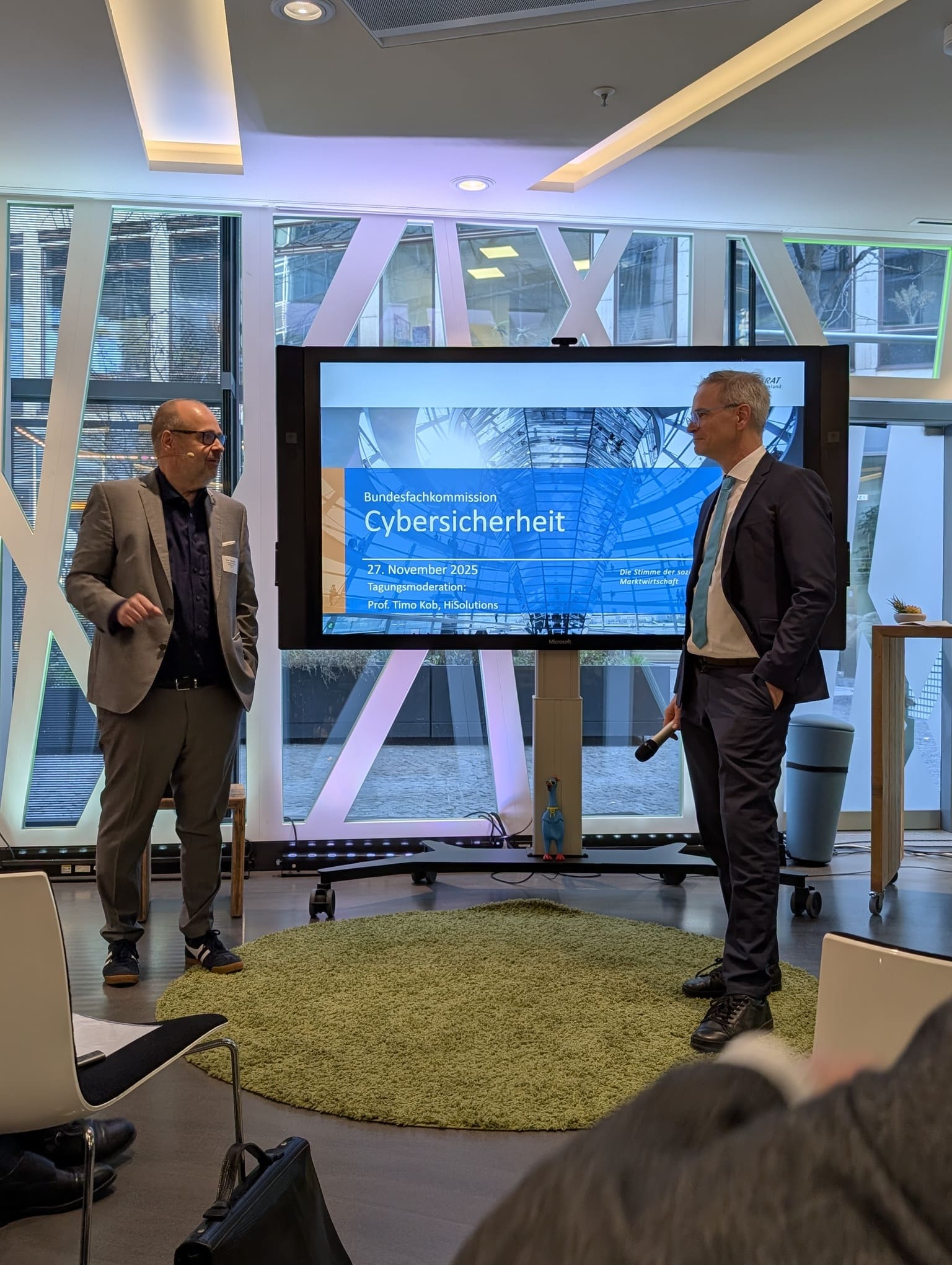
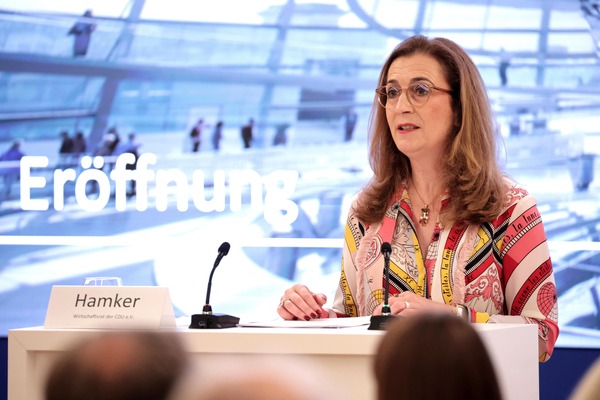
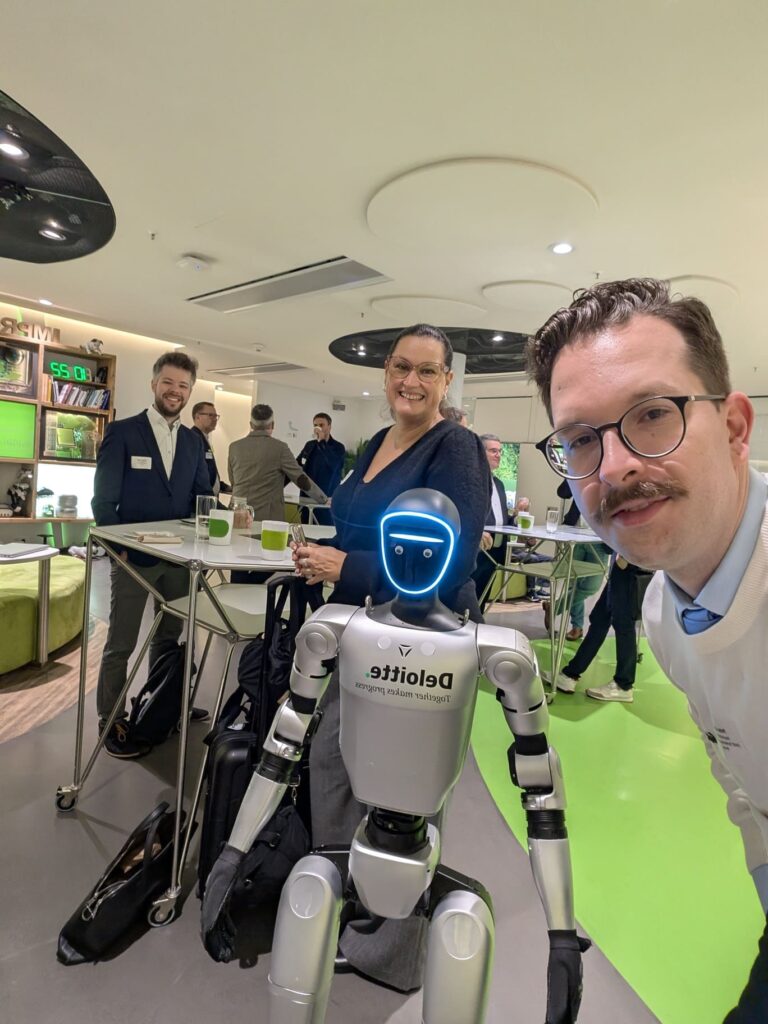
Am Donnerstag, den 27. November 2025, fand im Deloitte Greenhouse, Kurfürstendamm 23, 10719 Berlin, die Sitzung der Bundesfachkommission Cybersicherheit statt. Die Veranstaltung brachte führende Expertinnen und Experten aus Wirtschaft, Verwaltung, Forschung und Technologie zusammen, um zentrale Themen der digitalen Sicherheit in Deutschland zu diskutieren.
Auch die GRAEF Gruppe verfolgte die Entwicklungen dieser Sitzung aufmerksam, da Cybersicherheit ein entscheidender Bestandteil moderner Sicherheitsarchitekturen ist – insbesondere im Zusammenspiel mit Zutrittskontrolle, Gebäudesicherheit und digitalen Identitäten.
EU ID Wallet, Open Source und digitale Identität
Die Bundesfachkommission beschäftigte sich mit mehreren sicherheits- und zukunftsrelevanten Themen, die in den kommenden Jahren erheblichen Einfluss auf Unternehmen, Behörden und Bürgerinnen sowie Bürger haben werden.
EU ID Wallet – neue Standards für digitale Identitäten in Europa
Die EU ID Wallet ist ein großer Schritt in Richtung einheitlicher europäischer Identitätslösungen.
In der Sitzung wurden Chancen und Herausforderungen beleuchtet, u. a.:
- sichere mobile Identitätsnachweise
- Nutzung in Behörden, Wirtschaft und Alltag
- technische und organisatorische Anforderungen
- mögliche Einflüsse auf bestehende Identitäts- und Zugangssysteme
Für die GRAEF Gruppe ist dieses Thema besonders relevant, da digitale Identitäten zunehmend mit physischen Zutrittslösungen verschmelzen.
Open Source in der Verwaltung – mehr Transparenz, weniger Abhängigkeiten
Ein weiterer Schwerpunkt lag auf der Rolle von Open-Source-Software in staatlichen Systemen.
Im Mittelpunkt standen:
Kostenvorteile und Unabhängigkeit von einzelnen Anbietern
höhere Transparenz bei Sicherheitsmechanismen
bessere Integrationsmöglichkeiten
Herausforderungen bei Wartung, Zertifizierung und Betrieb
Open Source bietet große Chancen, muss aber in sicherheitskritischen Bereichen verantwortungsvoll eingesetzt werden.
Digitale Identität – Grundlage moderner Dienste und sicherer Prozesse
Digitale Identitäten entwickeln sich zunehmend zur Basistechnologie vieler staatlicher und wirtschaftlicher Dienste.
Diskutiert wurden:
vertrauenswürdige digitale Nachweise
Integration in E-Government-Prozesse
Sicherheitsanforderungen
Schnittstellen zu privaten Dienstleistern
Dies betrifft auch den privaten Sektor, wo sichere Identitäten immer stärker in Zutrittskontrolle, Gebäudemanagement und KI-gestützte Systeme einfließen.
Bundesagentur für Sprunginnovation und die Rolle disruptiver Technologien
Ein wichtiger Programmpunkt war die Bundesagentur für Sprunginnovation, die sich mit disruptiven Technologien, neuen Sicherheitsarchitekturen und der Förderung innovativer Unternehmen befasst.
Dabei standen im Fokus:
schnelle Entwicklung sicherheitsrelevanter Technologien
Förderung radikaler digitaler Innovation
Chancen für deutsche Unternehmen
Schnittstellen zu Cybersicherheitsanforderungen
Die Ergebnisse der Agentur haben deutliche Auswirkungen auf zukünftige Sicherheits- und Technologiestandards.
KIWICO Dienstleister-Netzwerk: Kooperationen für bessere Sicherheitsstandards
Zum Abschluss wurde das KIWICO Dienstleister-Netzwerk vorgestellt – ein Zusammenschluss von Experten, akademischen Einrichtungen und Unternehmen, die gemeinsam an digitalen Sicherheitslösungen arbeiten.
Besprochen wurden:
- Austausch zwischen Wirtschaft und Verwaltung
- gemeinsame Sicherheitsstandards
- vernetzte Dienstleistungen im Bereich KI und digitale Prozesse
- Potenziale für effizientere und sicherere Digitalisierung
Solche Netzwerke sind essenziell, um Sicherheitslücken frühzeitig zu erkennen und Best Practices schnell zu verbreiten.
Bedeutung für die GRAEF Gruppe und unsere Kunden
Die Themen der Sitzung spiegeln Entwicklungen wider, die auch unsere tägliche Arbeit prägen.
Als Anbieter moderner Sicherheits- und Gebäudetechnik in Berlin und Brandenburg beobachtet die GRAEF Gruppe diese Fortschritte sehr genau:
- digitale Identitäten werden zunehmend Teil moderner Zutrittskontrolle
- Cybersicherheit ist integraler Bestandteil jeder Sicherheitslösung
- Open-Source-Elemente beeinflussen Integrationsprozesse
- KI-basierte Analyse und Automation werden wichtiger
- staatliche Vorgaben definieren neue Standards, die wir frühzeitig berücksichtigen
Unsere Kunden profitieren davon, dass wir Trends der Cybersicherheit aktiv in unsere Projektplanung einbeziehen – für zukunftssichere und zuverlässige Sicherheitslösungen.