
Schutzziele der IT-Sicherheit: Vertraulichkeit, Integrität und Verfügbarkeit im Fokus
"Entdecken Sie die Schutzziele der IT-Sicherheit: Vertraulichkeit, Integrität und Verfügbarkeit. Sicherheit im digitalen Zeitalter verstehen."
Die Informationstechnologie (IT) ist ein integraler Bestandteil fast aller Geschäftsprozesse. Sie ermöglicht eine effiziente Kommunikation, Datenverarbeitung und Entscheidungsfindung. Allerdings birgt sie auch Risiken, die die Vertraulichkeit, Integrität und Verfügbarkeit von Informationen gefährden können. Daher sind die Schutzziele der IT-Sicherheit von entscheidender Bedeutung.
Hinweis zu AI-generierten Inhalten: Die Inhalte dieses Blogs werden mithilfe fortschrittlicher künstlicher Intelligenz erstellt. Obwohl wir uns bemühen, Ihnen stets präzise und nützliche Informationen zu bieten, kann es vorkommen, dass Fragen oder Unklarheiten bestehen bleiben. In solchen Fällen stehen Ihnen unsere Experten gerne zur Verfügung. Zögern Sie nicht, uns über die unten aufgeführten Kontaktmöglichkeiten zu erreichen. Unsere Spezialisten sind wahre Kenner ihres Fachs und helfen Ihnen gerne weiter!

Kontaktmöglichkeiten:

Feedback-Formular: Formular Ausfüllen
E-Mail: vertrieb@graef-gruppe.de
Telefon: +493069202294
Wir freuen uns auf Ihre Rückfragen und darauf, Ihnen bei jedem Anliegen behilflich zu sein!
Schutzziele der IT-Sicherheit: Eine Übersicht
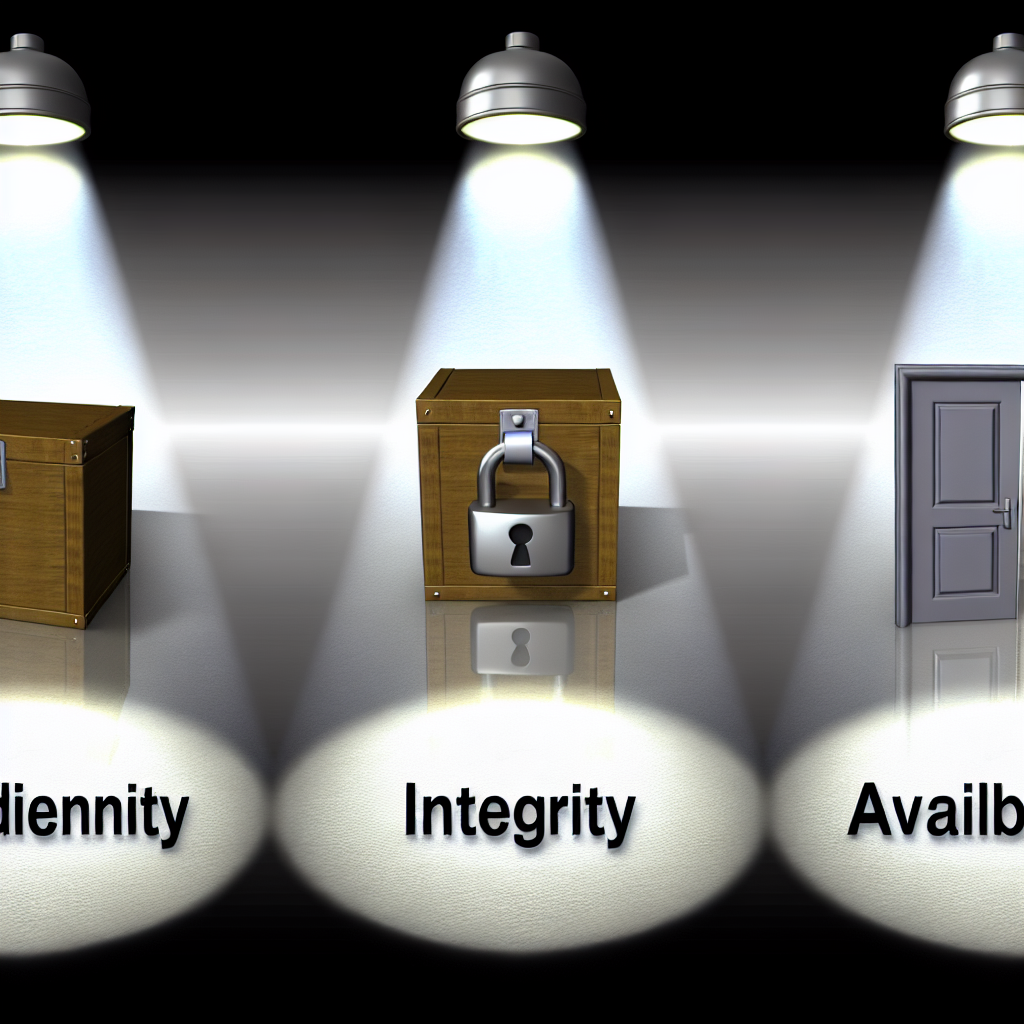
Die Schutzziele der IT-Sicherheit sind in drei Hauptkategorien unterteilt: Vertraulichkeit, Integrität und Verfügbarkeit. Diese Ziele sind auch als das CIA-Triade bekannt und bilden die Grundlage für alle Sicherheitsmaßnahmen in der IT.
Die Vertraulichkeit bezieht sich auf den Schutz von Informationen vor unbefugtem Zugriff. Dies bedeutet, dass nur autorisierte Personen Zugang zu bestimmten Informationen haben sollten. Ein Beispiel für einen Verstoß gegen die Vertraulichkeit wäre ein Hackerangriff, bei dem sensible Kundendaten gestohlen werden.
Die Integrität bezieht sich auf die Genauigkeit und Vollständigkeit von Daten. Sie stellt sicher, dass Informationen während der Speicherung, Übertragung und Verarbeitung nicht verändert oder beschädigt werden. Ein Beispiel für einen Verstoß gegen die Integrität wäre ein Virus, der Daten auf einem Computer verändert oder löscht.
Verfügbarkeit
Die Verfügbarkeit bezieht sich auf die ständige und zuverlässige Zugänglichkeit von Informationen und Systemen. Sie stellt sicher, dass autorisierte Benutzer jederzeit auf benötigte Ressourcen zugreifen können. Ein Beispiel für einen Verstoß gegen die Verfügbarkeit wäre ein Denial-of-Service-Angriff, der einen Server überlastet und dadurch den Zugriff auf eine Website verhindert.
Die Bedeutung der Schutzziele der IT-Sicherheit
Die Schutzziele der IT-Sicherheit sind von entscheidender Bedeutung, um die Vertraulichkeit, Integrität und Verfügbarkeit von Informationen zu gewährleisten. Sie helfen Unternehmen, Risiken zu minimieren, Compliance-Anforderungen zu erfüllen und das Vertrauen der Kunden zu stärken.
Vertraulichkeit: Der Schutz der Vertraulichkeit hilft Unternehmen, sensible Informationen wie Kundendaten, Geschäftsgeheimnisse und Finanzinformationen zu schützen. Dies ist besonders wichtig in Branchen wie dem Gesundheitswesen und der Finanzdienstleistung, wo der Schutz von persönlichen und finanziellen Daten von entscheidender Bedeutung ist.
Integrität: Der Schutz der Integrität hilft Unternehmen, die Genauigkeit und Zuverlässigkeit ihrer Daten zu gewährleisten. Dies ist besonders wichtig in Bereichen wie der Buchhaltung und dem Projektmanagement, wo die Genauigkeit von Daten für die Entscheidungsfindung von entscheidender Bedeutung ist.
Verfügbarkeit: Der Schutz der Verfügbarkeit hilft Unternehmen, die ständige Zugänglichkeit ihrer Systeme und Informationen zu gewährleisten. Dies ist besonders wichtig in Branchen wie dem E-Commerce und dem Cloud-Computing, wo die ständige Verfügbarkeit von Diensten für den Geschäftserfolg von entscheidender Bedeutung ist.
Schutzziele der IT-Sicherheit in der Praxis
Die Umsetzung der Schutzziele der IT-Sicherheit erfordert eine Kombination aus technischen, organisatorischen und rechtlichen Maßnahmen. Dazu gehören unter anderem die Verschlüsselung von Daten, die Implementierung von Zugangskontrollen, die Durchführung von Sicherheitsaudits und die Einhaltung von Datenschutzgesetzen.
Ein gutes Beispiel für die Umsetzung der Schutzziele der IT-Sicherheit ist das Bundesamt für Sicherheit in der Informationstechnik (BSI) in Deutschland. Das BSI hat umfangreiche Richtlinien und Standards entwickelt, um die Vertraulichkeit, Integrität und Verfügbarkeit von Informationen in der IT zu gewährleisten.
Schutzziele der IT-Sicherheit: Ein kontinuierlicher Prozess
Die Schutzziele der IT-Sicherheit sind kein einmaliges Projekt, sondern ein kontinuierlicher Prozess. Sie erfordern eine ständige Überwachung, Bewertung und Anpassung der Sicherheitsmaßnahmen, um mit den sich ständig ändernden Bedrohungen und Risiken Schritt zu halten.
Schutzziele der IT-Sicherheit: Vertraulichkeit, Integrität und Verfügbarkeit im Fokus
Zusammenfassend lässt sich sagen, dass die Schutzziele der IT-Sicherheit von entscheidender Bedeutung sind, um die Vertraulichkeit, Integrität und Verfügbarkeit von Informationen zu gewährleisten. Sie helfen Unternehmen, Risiken zu minimieren, Compliance-Anforderungen zu erfüllen und das Vertrauen der Kunden zu stärken. Daher sollten sie im Mittelpunkt jeder IT-Sicherheitsstrategie stehen.