
Schutzziele der Informationssicherheit: Grundlagen für eine sichere IT-Umgebung
"Entdecken Sie die Schutzziele der Informationssicherheit und lernen Sie, wie Sie eine sichere IT-Umgebung schaffen können."
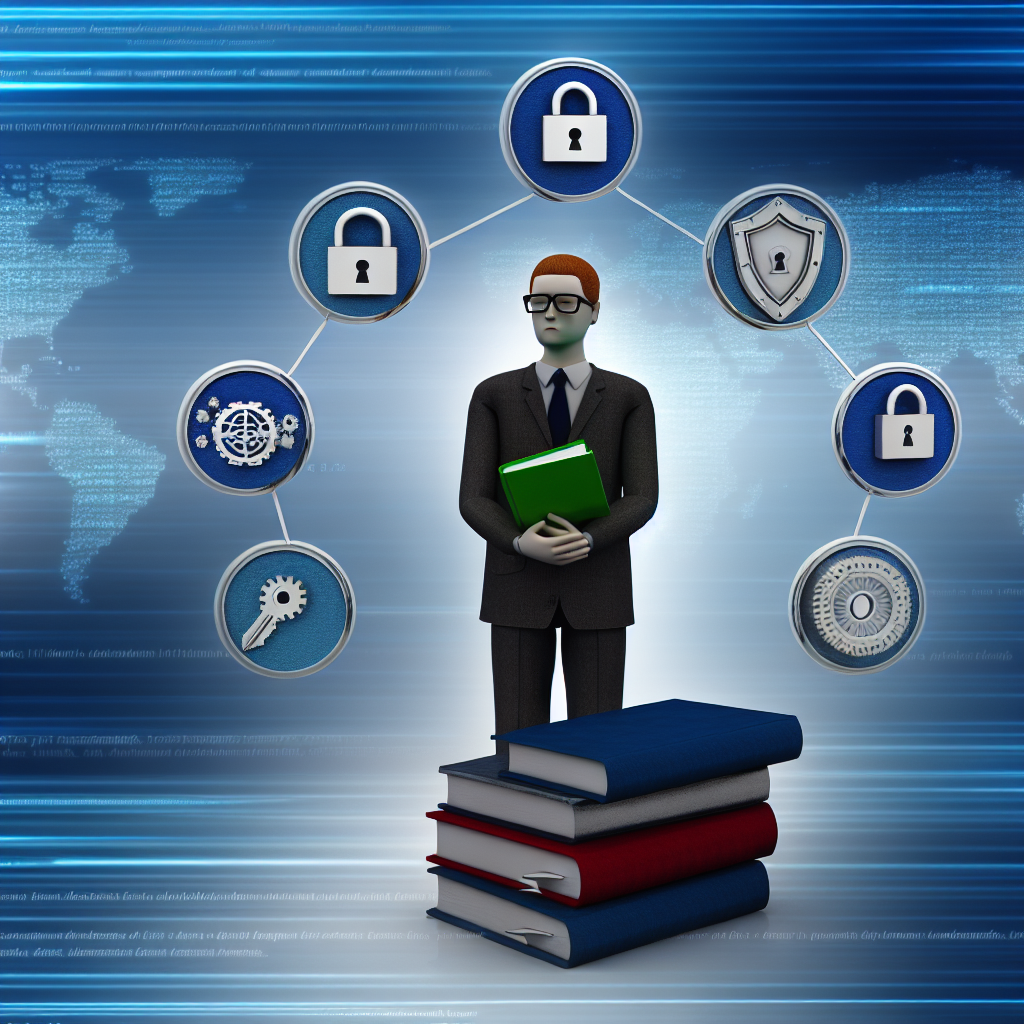
Die Informationssicherheit ist ein zentraler Aspekt in der heutigen digitalen Welt. Sie stellt sicher, dass Informationen und Daten vor unerwünschten Zugriffen, Verlusten oder Schäden geschützt sind. Die Schutzziele der Informationssicherheit sind die Grundlagen für eine sichere IT-Umgebung. Sie definieren, was in Bezug auf die Sicherheit von Informationen erreicht werden soll.
Hinweis zu AI-generierten Inhalten: Die Inhalte dieses Blogs werden mithilfe fortschrittlicher künstlicher Intelligenz erstellt. Obwohl wir uns bemühen, Ihnen stets präzise und nützliche Informationen zu bieten, kann es vorkommen, dass Fragen oder Unklarheiten bestehen bleiben. In solchen Fällen stehen Ihnen unsere Experten gerne zur Verfügung. Zögern Sie nicht, uns über die unten aufgeführten Kontaktmöglichkeiten zu erreichen. Unsere Spezialisten sind wahre Kenner ihres Fachs und helfen Ihnen gerne weiter!

Kontaktmöglichkeiten:

Feedback-Formular: Formular Ausfüllen
E-Mail: vertrieb@graef-gruppe.de
Telefon: +493069202294
Wir freuen uns auf Ihre Rückfragen und darauf, Ihnen bei jedem Anliegen behilflich zu sein!
Schutzziele der Informationssicherheit: Was sind sie?
Die Schutzziele der Informationssicherheit sind in drei Hauptkategorien unterteilt: Vertraulichkeit, Integrität und Verfügbarkeit. Diese Ziele sind auch als das CIA-Triade bekannt.
- Vertraulichkeit: Dieses Ziel stellt sicher, dass Informationen nur von autorisierten Personen eingesehen werden können. Es verhindert den unbefugten Zugriff auf Daten.
- Integrität: Dieses Ziel stellt sicher, dass Informationen korrekt und vollständig sind. Es verhindert die unbefugte Modifikation von Daten.
- Verfügbarkeit: Dieses Ziel stellt sicher, dass Informationen und Systeme immer dann verfügbar sind, wenn sie benötigt werden. Es verhindert die Unterbrechung des Zugriffs auf Daten und Systeme.
Warum sind die Schutzziele der Informationssicherheit wichtig?
Die Schutzziele der Informationssicherheit sind von entscheidender Bedeutung, um die Sicherheit von Daten und Informationen in einer IT-Umgebung zu gewährleisten. Sie helfen Unternehmen, ihre Daten vor Bedrohungen zu schützen und die Einhaltung von Datenschutzgesetzen und -vorschriften zu gewährleisten.
Ein Verstoß gegen eines dieser Ziele kann schwerwiegende Folgen haben, wie z.B. finanzielle Verluste, Reputationsschäden und rechtliche Konsequenzen. Zum Beispiel führte der Datenverstoß bei Equifax im Jahr 2017, bei dem die persönlichen Daten von fast 147 Millionen Menschen kompromittiert wurden, zu einem Verlust von mehreren Milliarden Dollar für das Unternehmen.
Wie können die Schutzziele der Informationssicherheit erreicht werden?
Die Erreichung der Schutzziele der Informationssicherheit erfordert eine Kombination aus technischen, organisatorischen und rechtlichen Maßnahmen. Dazu gehören unter anderem:
- Die Implementierung von Sicherheitstechnologien wie Firewalls, Verschlüsselung und Antivirensoftware.
- Die Durchführung regelmäßiger Sicherheitsaudits und Risikobewertungen.
- Die Schulung der Mitarbeiter in Bezug auf Sicherheitsbestimmungen und -praktiken.
- Die Einhaltung von Datenschutzgesetzen und -vorschriften.
Es ist wichtig zu beachten, dass die Schutzziele der Informationssicherheit nicht isoliert betrachtet werden sollten. Sie sind miteinander verknüpft und beeinflussen sich gegenseitig. Zum Beispiel kann die Verbesserung der Verfügbarkeit von Daten die Vertraulichkeit und Integrität der Daten beeinträchtigen, wenn nicht die richtigen Sicherheitsmaßnahmen getroffen werden.
Schutzziele der Informationssicherheit: Ein kontinuierlicher Prozess
Die Schutzziele der Informationssicherheit sind kein einmaliges Ziel, sondern ein kontinuierlicher Prozess. Sie erfordern eine ständige Überwachung und Anpassung an die sich ändernde Bedrohungslandschaft und die technologischen Entwicklungen.
Unternehmen sollten daher eine proaktive Haltung zur Informationssicherheit einnehmen und ständig nach Möglichkeiten suchen, ihre Sicherheitsmaßnahmen zu verbessern. Dies kann durch die Einführung neuer Technologien, die Aktualisierung von Sicherheitsrichtlinien und -verfahren und die kontinuierliche Schulung der Mitarbeiter erreicht werden.
Schutzziele der Informationssicherheit: Grundlagen für eine sichere IT-Umgebung
Zusammenfassend lässt sich sagen, dass die Schutzziele der Informationssicherheit die Grundlagen für eine sichere IT-Umgebung bilden. Sie bieten einen Rahmen für die Planung, Implementierung und Überwachung von Sicherheitsmaßnahmen, um die Vertraulichkeit, Integrität und Verfügbarkeit von Daten und Informationen zu gewährleisten.
Indem sie diese Ziele erreichen, können Unternehmen ihre Daten vor Bedrohungen schützen, die Einhaltung von Gesetzen und Vorschriften gewährleisten und das Vertrauen ihrer Kunden und Partner stärken. Daher sollten die Schutzziele der Informationssicherheit ein zentraler Bestandteil jeder IT-Sicherheitsstrategie sein.