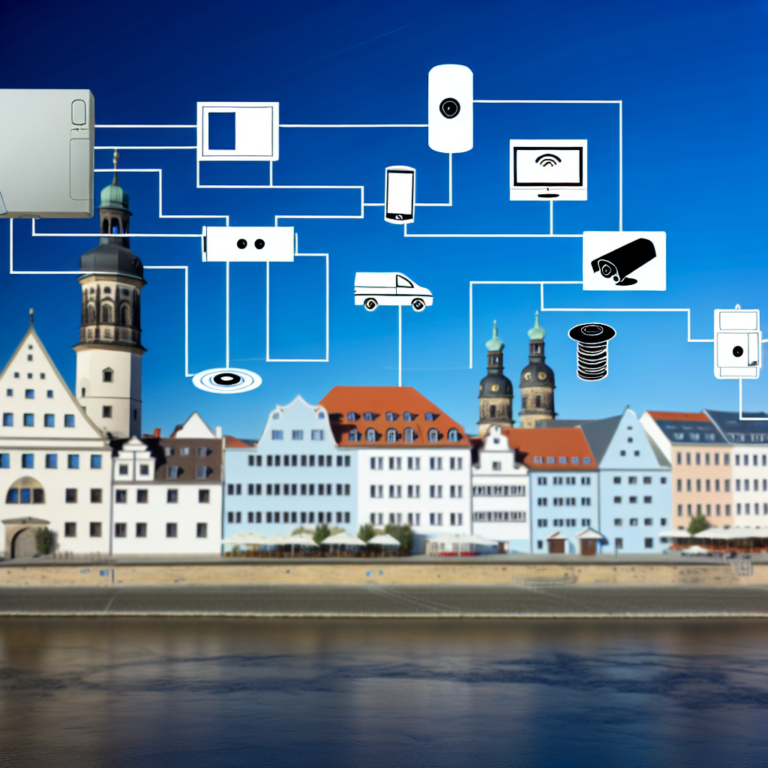

Focus on protection: top security technology & video surveillance for schools

Discover the perfect blend of quality and precision with our selection of premium kitchen appliances. Upgrade your culinary experience today! Visit our online store and find your ideal kitchen companion. Shop now!
The importance of sustainable energy in the modern world
At a time when climate change has become one of the greatest challenges facing humanity, the transition to sustainable energy sources plays a crucial role. Dependence on fossil fuels has led to an increased concentration of greenhouse gases in the atmosphere, which in turn accelerates climate change. Sustainable energy, often referred to as renewable energy, offers a solution to reverse this trend and ensure a future worth living.
What is sustainable energy?
Sustainable energy includes energy sources that either regenerate quickly or are theoretically infinitely available. These include solar energy, wind energy, hydropower, geothermal energy and biomass. These forms of energy are not only environmentally friendly, but also help to reduce dependence on imported fuels and increase energy security.
Advantages of sustainable energy
- Environmental protection: Renewable energies produce no or only very low greenhouse gas emissions during operation.
- Economic growth: Investing in renewable energy technologies creates jobs and promotes local economic growth.
- Energy independence: Countries can reduce their dependence on imported fossil fuels and diversify their energy supply.
- Long-term cost savings: Although the initial investment can be high, renewable energy results in long-term cost savings through lower operating costs.
Challenges during implementation
Despite the obvious benefits, there are also challenges in switching to sustainable energy sources. These include the initial cost of installing renewable energy systems, the need to store energy for times when the sun is not shining or the wind is not blowing, and integration into existing energy infrastructures.
Examples of successful implementation
Some countries have already made significant progress in the use of sustainable energy. Germany is a pioneer in the field of renewable energy and has strongly promoted its expansion through the Renewable Energy Sources Act (EEG). Denmark is another example, covering almost half of its electricity needs from wind energy. These countries show that a sustainable energy future is possible.
Statistics and forecasts
According to the Global Status Report on Renewable Energy 2021, the share of renewable energy in global electricity consumption rose to around 29%. According to forecasts by the International Energy Agency (IEA), renewable energies are expected to account for over 30% of global electricity generation by 2025. These figures illustrate the growing commitment to sustainable energy worldwide.
Conclusion
Switching to sustainable energy is not only essential for environmental protection, but also offers economic and social benefits. While challenges exist, examples from around the world show that with political will and innovative technologies, a sustainable energy future is achievable. It is time for governments, businesses and individuals to work together to accelerate the transition to a more sustainable and equitable energy supply.