
Rauchabzugsanlagen: Effektive Brandschutzlösungen für jedes Gebäude
"Rauchabzugsanlagen: Optimale Brandschutzlösungen für alle Gebäudetypen. Sicherheit durch effektive Rauchabzugsanlagen."
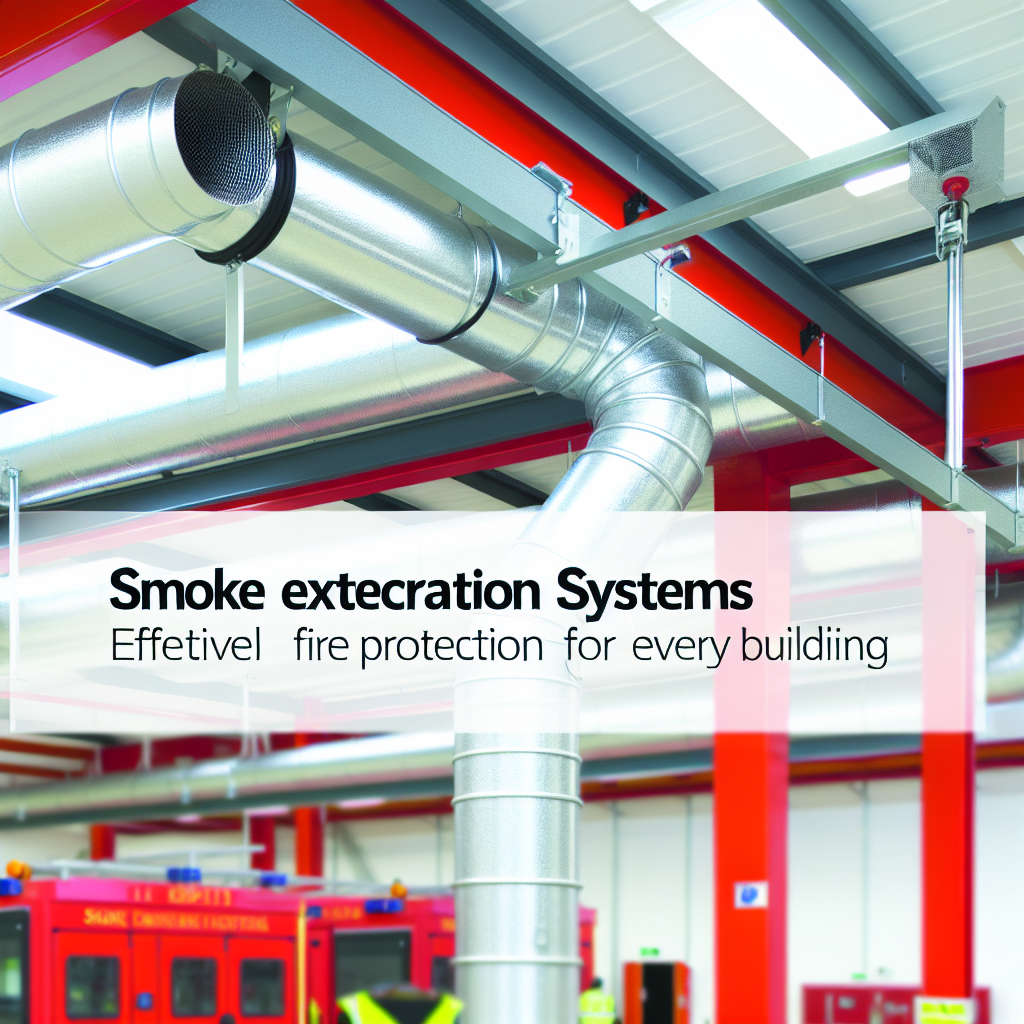
Brandschutz ist ein wesentlicher Aspekt in der Planung und Konstruktion von Gebäuden. Eine effektive Methode zur Verbesserung des Brandschutzes sind rauchabzugsanlagen. Diese Systeme sind darauf ausgelegt, im Brandfall Rauch und Hitze aus dem Gebäude abzuleiten und so die Sicherheit der Gebäudenutzer zu gewährleisten und den Schaden am Gebäude zu minimieren.
Hinweis zu AI-generierten Inhalten: Die Inhalte dieses Blogs werden mithilfe fortschrittlicher künstlicher Intelligenz erstellt. Obwohl wir uns bemühen, Ihnen stets präzise und nützliche Informationen zu bieten, kann es vorkommen, dass Fragen oder Unklarheiten bestehen bleiben. In solchen Fällen stehen Ihnen unsere Experten gerne zur Verfügung. Zögern Sie nicht, uns über die unten aufgeführten Kontaktmöglichkeiten zu erreichen. Unsere Spezialisten sind wahre Kenner ihres Fachs und helfen Ihnen gerne weiter!

Kontaktmöglichkeiten:

Feedback-Formular: Formular Ausfüllen
E-Mail: vertrieb@graef-gruppe.de
Telefon: +493069202294
Wir freuen uns auf Ihre Rückfragen und darauf, Ihnen bei jedem Anliegen behilflich zu sein!
Was sind Rauchabzugsanlagen?
rauchabzugsanlagen sind technische Einrichtungen, die dazu dienen, im Brandfall Rauch und Hitze aus Gebäuden abzuleiten. Sie bestehen in der Regel aus Rauchmeldern, Steuerungseinheiten und mechanischen Vorrichtungen wie Ventilatoren und Klappen, die den Rauch aus dem Gebäude leiten. rauchabzugsanlagen können in nahezu jedem Gebäudetyp installiert werden, von Wohngebäuden über Bürogebäude bis hin zu Industrieanlagen.
Warum sind Rauchabzugsanlagen wichtig?
Im Brandfall ist Rauch oft gefährlicher als das Feuer selbst. Er kann die Sicht beeinträchtigen, die Atmung erschweren und zu Bewusstlosigkeit oder sogar zum Tod führen. rauchabzugsanlagen leiten den Rauch ab und verbessern so die Sicht und die Atembedingungen. Dies ermöglicht es den Menschen, das Gebäude sicher zu verlassen, und erleichtert den Einsatzkräften die Brandbekämpfung.
Wie funktionieren Rauchabzugsanlagen?
rauchabzugsanlagen arbeiten auf zwei Arten: natürlich und mechanisch. Natürliche rauchabzugsanlagen nutzen Temperaturunterschiede und Wind, um den Rauch aus dem Gebäude zu ziehen. Mechanische rauchabzugsanlagen hingegen verwenden Ventilatoren, um den Rauch abzusaugen. Beide Systeme werden durch Rauchmelder aktiviert, die den Rauch erkennen und die Steuerungseinheit alarmieren, die dann die Rauchabzugsanlage aktiviert.
Die Vorteile von Rauchabzugsanlagen
Sicherheit: rauchabzugsanlagen verbessern die Sicherheit im Brandfall, indem sie den Rauch abführen und so die Sicht und die Atembedingungen verbessern.
Schadensbegrenzung: Indem sie den Rauch und die Hitze abführen, können rauchabzugsanlagen den Schaden am Gebäude und seinen Inhalten begrenzen.
Effizienz: rauchabzugsanlagen sind eine effektive und effiziente Methode zur Verbesserung des Brandschutzes in Gebäuden.
Beispiele für den Einsatz von Rauchabzugsanlagen
Ein gutes Beispiel für den Einsatz von rauchabzugsanlagen ist das Einkaufszentrum „Centro“ in Oberhausen, Deutschland. Bei einem Brand im Jahr 2008 konnte durch die Rauchabzugsanlage der Rauch schnell abgeführt und so eine Evakuierung des Gebäudes ermöglicht werden. Ein weiteres Beispiel ist das Bürogebäude „The Shard“ in London, das mit einer hochmodernen mechanischen Rauchabzugsanlage ausgestattet ist.
Rauchabzugsanlagen: Effektive Brandschutzlösungen für jedes Gebäude
Zusammenfassend lässt sich sagen, dass rauchabzugsanlagen eine effektive und effiziente Methode zur Verbesserung des Brandschutzes in Gebäuden sind. Sie verbessern die Sicherheit der Gebäudenutzer, begrenzen den Schaden am Gebäude und seinen Inhalten und erleichtern den Einsatzkräften die Brandbekämpfung. Mit der richtigen Planung und Installation können rauchabzugsanlagen in nahezu jedem Gebäudetyp eingesetzt werden, um einen effektiven Brandschutz zu gewährleisten.