
Lichtleitkabel: Moderne Glasfasertechnologie für schnelle Datenübertragung
"Lichtleitkabel nutzen moderne Glasfasertechnologie für blitzschnelle Datenübertragung. Entdecken Sie die Zukunft der Kommunikation."
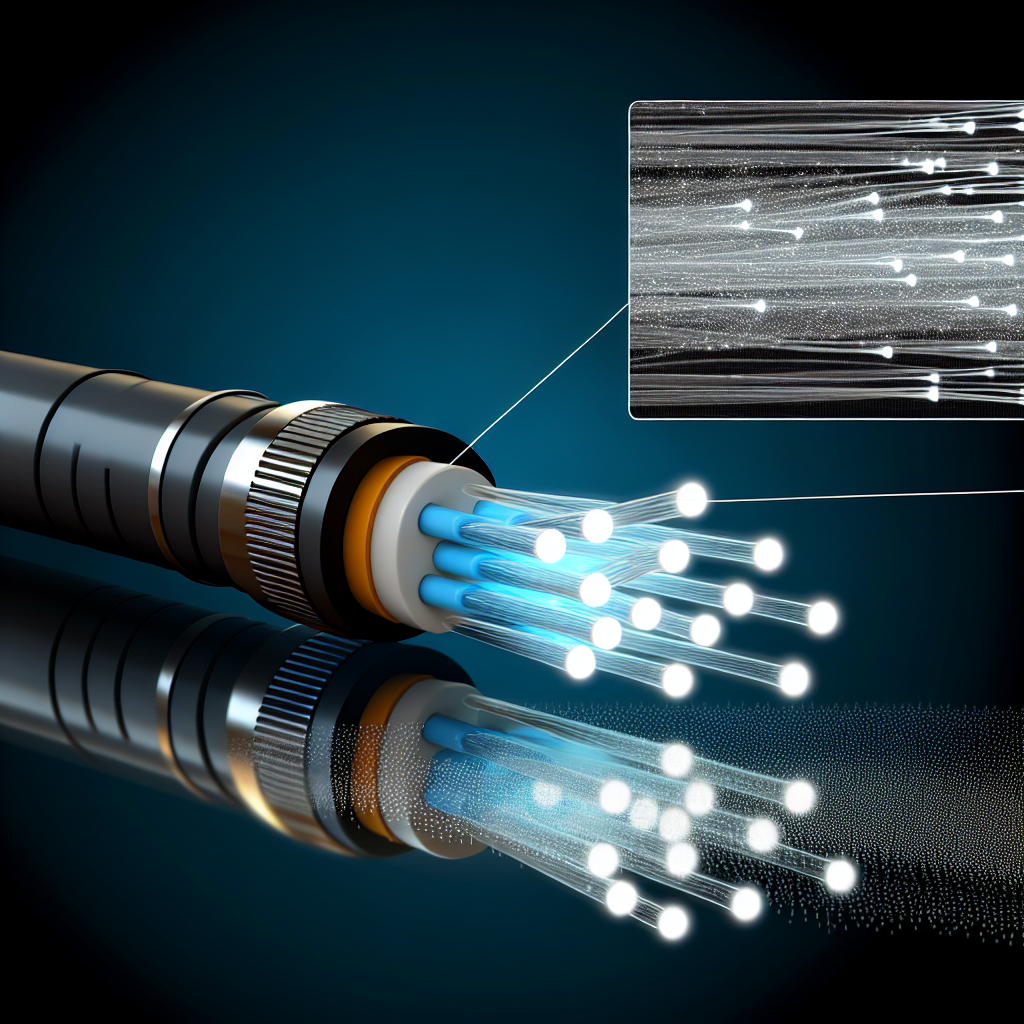
Die moderne Welt ist geprägt von digitaler Kommunikation und schneller Datenübertragung. Eine Technologie, die dabei eine entscheidende Rolle spielt, ist das lichtleitkabel, auch bekannt als Glasfaserkabel. Diese Technologie ermöglicht es, Daten mit Lichtgeschwindigkeit zu übertragen und ist somit ein wesentlicher Bestandteil unserer digitalen Infrastruktur.
Hinweis zu AI-generierten Inhalten: Die Inhalte dieses Blogs werden mithilfe fortschrittlicher künstlicher Intelligenz erstellt. Obwohl wir uns bemühen, Ihnen stets präzise und nützliche Informationen zu bieten, kann es vorkommen, dass Fragen oder Unklarheiten bestehen bleiben. In solchen Fällen stehen Ihnen unsere Experten gerne zur Verfügung. Zögern Sie nicht, uns über die unten aufgeführten Kontaktmöglichkeiten zu erreichen. Unsere Spezialisten sind wahre Kenner ihres Fachs und helfen Ihnen gerne weiter!

Kontaktmöglichkeiten:

Feedback-Formular: Formular Ausfüllen
E-Mail: vertrieb@graef-gruppe.de
Telefon: +493069202294
Wir freuen uns auf Ihre Rückfragen und darauf, Ihnen bei jedem Anliegen behilflich zu sein!
Was ist ein Lichtleitkabel?
Ein lichtleitkabel ist ein Kabel, das aus einem oder mehreren Glasfasern besteht. Diese Glasfasern sind so dünn wie ein menschliches Haar und ermöglichen die Übertragung von Daten in Form von Lichtsignalen. Im Vergleich zu herkömmlichen Kupferkabeln, die elektrische Signale verwenden, bieten lichtleitkabel eine Reihe von Vorteilen, darunter eine höhere Datenübertragungsrate, eine größere Reichweite und eine geringere Anfälligkeit für Störungen.
Wie funktioniert die Datenübertragung mit Lichtleitkabeln?
Die Datenübertragung mit Lichtleitkabeln basiert auf dem Prinzip der Totalreflexion. Dabei wird ein Lichtsignal in das Kabel eingespeist und innerhalb der Glasfaser reflektiert, bis es am anderen Ende des Kabels wieder austritt. Auf diese Weise können Daten über große Entfernungen hinweg mit nahezu Lichtgeschwindigkeit übertragen werden.
Vorteile der Glasfasertechnologie
Hohe Datenübertragungsraten: lichtleitkabel können Daten mit einer Geschwindigkeit von bis zu 100 Gigabit pro Sekunde übertragen. Das ist deutlich schneller als bei herkömmlichen Kupferkabeln.
Geringe Latenz: Aufgrund der hohen Übertragungsgeschwindigkeit ist die Latenz, also die Verzögerung bei der Datenübertragung, bei Lichtleitkabeln sehr gering.
Hohe Reichweite: lichtleitkabel können Daten über Entfernungen von mehreren hundert Kilometern ohne Signalverlust übertragen.
Störsicherheit: Da lichtleitkabel Lichtsignale statt elektrischer Signale verwenden, sind sie weniger anfällig für elektromagnetische Störungen.
Anwendungsbeispiele für Lichtleitkabel
lichtleitkabel finden in vielen Bereichen Anwendung. Sie werden beispielsweise in der Telekommunikation eingesetzt, um Telefon- und Internetverbindungen herzustellen. Auch in der Medizintechnik kommen sie zum Einsatz, etwa bei endoskopischen Untersuchungen. Darüber hinaus werden lichtleitkabel in der Industrie verwendet, beispielsweise zur Datenübertragung in Automatisierungssystemen.
Die Bedeutung von Lichtleitkabeln wird in Zukunft weiter zunehmen. Mit dem Ausbau des 5G-Netzes und dem steigenden Bedarf an schnellen Internetverbindungen wird die Nachfrage nach dieser Technologie weiter steigen. Zudem werden laufend Forschungen durchgeführt, um die Leistungsfähigkeit von Lichtleitkabeln weiter zu verbessern. So könnten in Zukunft noch höhere Datenübertragungsraten und noch größere Reichweiten möglich sein.
Lichtleitkabel: Moderne Glasfasertechnologie für schnelle Datenübertragung
Zusammenfassend lässt sich sagen, dass lichtleitkabel eine Schlüsseltechnologie für die digitale Kommunikation sind. Sie ermöglichen eine schnelle, zuverlässige und störungsfreie Datenübertragung und sind somit ein unverzichtbarer Bestandteil unserer modernen Infrastruktur. Mit der weiteren Entwicklung und Verbreitung dieser Technologie können wir in Zukunft noch schnellere und effizientere Kommunikationsnetze erwarten.