
Kosten für LWL Spleißen: Effiziente Glasfaserverbindungen
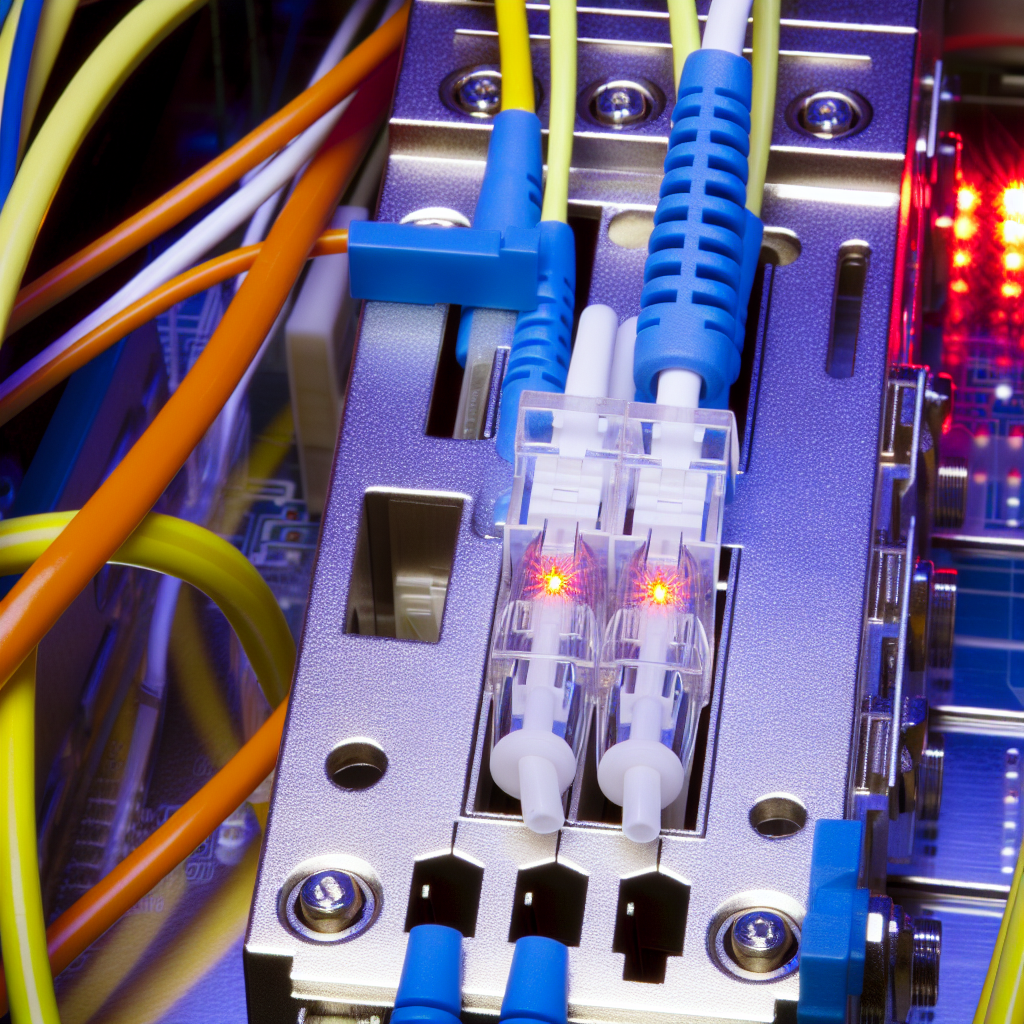
Die Glasfasertechnologie hat die Kommunikationslandschaft revolutioniert. Sie bietet eine schnellere und effizientere Datenübertragung im Vergleich zu herkömmlichen Kupferkabeln. Ein wichtiger Aspekt dieser Technologie ist das LWL Spleißen, ein Prozess, der zwei Glasfaserkabel miteinander verbindet. In diesem Artikel werden wir die Kosten für LWL Spleißen und die Effizienz von Glasfaserverbindungen diskutieren.
LWL Spleißen ist ein Verfahren, bei dem zwei Glasfaserkabel miteinander verbunden werden. Dies kann entweder durch Verschmelzen (Fusion Spleißen) oder durch mechanisches Spleißen erfolgen. Beide Methoden haben ihre Vor- und Nachteile, aber das Ziel ist dasselbe: eine nahtlose und effiziente Verbindung zwischen zwei Glasfaserkabeln herzustellen.
Hinweis zu AI-generierten Inhalten: Die Inhalte dieses Blogs werden mithilfe fortschrittlicher künstlicher Intelligenz erstellt. Obwohl wir uns bemühen, Ihnen stets präzise und nützliche Informationen zu bieten, kann es vorkommen, dass Fragen oder Unklarheiten bestehen bleiben. In solchen Fällen stehen Ihnen unsere Experten gerne zur Verfügung. Zögern Sie nicht, uns über die unten aufgeführten Kontaktmöglichkeiten zu erreichen. Unsere Spezialisten sind wahre Kenner ihres Fachs und helfen Ihnen gerne weiter!

Kontaktmöglichkeiten:

Feedback-Formular: Formular Ausfüllen
E-Mail: vertrieb@graef-gruppe.de
Telefon: +493069202294
Wir freuen uns auf Ihre Rückfragen und darauf, Ihnen bei jedem Anliegen behilflich zu sein!
Kosten für LWL Spleißen
Die Kosten für LWL Spleißen können je nach verschiedenen Faktoren variieren. Dazu gehören die Art des Spleißens, die Anzahl der zu spleißenden Fasern, die benötigte Ausrüstung und die Arbeitskosten. Im Durchschnitt können die Kosten für das Spleißen einer einzelnen Faser zwischen 15 und 100 Euro liegen. Dies kann jedoch je nach Komplexität des Projekts und den spezifischen Anforderungen variieren.
- Art des Spleißens: Fusion Spleißen ist in der Regel teurer als mechanisches Spleißen, da es spezielle Ausrüstung erfordert und mehr Zeit in Anspruch nimmt.
- Anzahl der zu spleißenden Fasern: Je mehr Fasern gespleißt werden müssen, desto höher sind die Kosten. Dies liegt daran, dass mehr Material und Zeit benötigt wird.
- Ausrüstung: Die Kosten für die benötigte Ausrüstung können ebenfalls erheblich sein. Ein hochwertiges Fusionsspleißgerät kann mehrere tausend Euro kosten.
- Arbeitskosten: Die Kosten für qualifizierte Techniker, die das Spleißen durchführen, können ebenfalls einen erheblichen Teil der Gesamtkosten ausmachen.
Effizienz von Glasfaserverbindungen
Glasfaserverbindungen bieten eine Reihe von Vorteilen gegenüber herkömmlichen Kupferkabeln. Sie bieten eine höhere Bandbreite, was bedeutet, dass sie mehr Daten über größere Entfernungen übertragen können. Sie sind auch weniger anfällig für Störungen und bieten eine bessere Signalqualität.
Ein weiterer Vorteil von Glasfaserverbindungen ist ihre Effizienz. Durch das Spleißen von Glasfaserkabeln können Netzwerke erweitert und verbessert werden, ohne dass neue Kabel verlegt werden müssen. Dies kann zu erheblichen Kosteneinsparungen führen, insbesondere in großen Netzwerken.
Kosten für LWL Spleißen: Ein Fallbeispiel
Ein gutes Beispiel für die Effizienz von Glasfaserverbindungen ist ein Telekommunikationsunternehmen, das ein bestehendes Netzwerk erweitern musste. Anstatt neue Kabel zu verlegen, entschied sich das Unternehmen für das Spleißen von Glasfaserkabeln. Dies führte zu erheblichen Kosteneinsparungen und ermöglichte es dem Unternehmen, sein Netzwerk schnell und effizient zu erweitern.
Die Kosten für das Spleißen der Glasfaserkabel beliefen sich auf etwa 2.000 Euro. Im Vergleich dazu hätte das Verlegen neuer Kabel das Unternehmen mehr als 10.000 Euro gekostet. Durch das Spleißen der Kabel konnte das Unternehmen also mehr als 80% der Kosten einsparen.
Die Kosten für LWL Spleißen können variieren, aber die Vorteile von Glasfaserverbindungen sind klar. Sie bieten eine höhere Bandbreite, eine bessere Signalqualität und sind weniger anfällig für Störungen. Darüber hinaus können durch das Spleißen von Glasfaserkabeln erhebliche Kosteneinsparungen erzielt werden, insbesondere in großen Netzwerken.
Kosten für LWL Spleißen: Effiziente Glasfaserverbindungen als Schlüssel zur Kosteneinsparung
Die Kosten für LWL Spleißen können zunächst hoch erscheinen, insbesondere wenn hochwertige Ausrüstung und qualifizierte Techniker benötigt werden. Doch wenn man die langfristigen Vorteile und Kosteneinsparungen betrachtet, die durch effiziente Glasfaserverbindungen erzielt werden können, wird deutlich, dass diese Investition sich lohnt. Mit der richtigen Planung und Ausführung kann das Spleißen von Glasfaserkabeln dazu beitragen, die Effizienz und Leistungsfähigkeit von Netzwerken zu verbessern und gleichzeitig die Kosten zu senken.
Was versteht man unter LWL-Spleißen?
LWL-Spleißen bezeichnet das Verbinden von Lichtwellenleitern (Glasfaserkabeln), um eine durchgehende Datenübertragung zu gewährleisten. Es gibt zwei Hauptmethoden: Fusionsspleißen und mechanisches Spleißen.
Welche Kosten entstehen beim LWL-Spleißen?
Die Kosten pro gespleißter Faser liegen durchschnittlich zwischen 15 und 100 Euro. Der genaue Preis hängt von Faktoren wie der Spleißmethode, der Anzahl der Fasern und der Komplexität des Projekts ab.
Was sind die Unterschiede zwischen Fusions- und mechanischem Spleißen?
Fusionsspleißen verschmilzt die Glasfasern dauerhaft und bietet eine sehr geringe Dämpfung, ist jedoch kostenintensiver. Mechanisches Spleißen ist günstiger und schneller, führt aber zu höheren Signalverlusten.
Für wen ist LWL-Spleißen besonders relevant?
Unternehmen und Organisationen, die auf zuverlässige Glasfaserverbindungen angewiesen sind, wie Industrieunternehmen, Logistikbetriebe und öffentliche Einrichtungen, profitieren besonders vom LWL-Spleißen.