
Kameraüberwachung im Büro: Datenschutz & rechtliche Aspekte
"Entdecken Sie die rechtlichen Aspekte und Datenschutzbestimmungen zur Kameraüberwachung im Büro. Informieren Sie sich jetzt!"
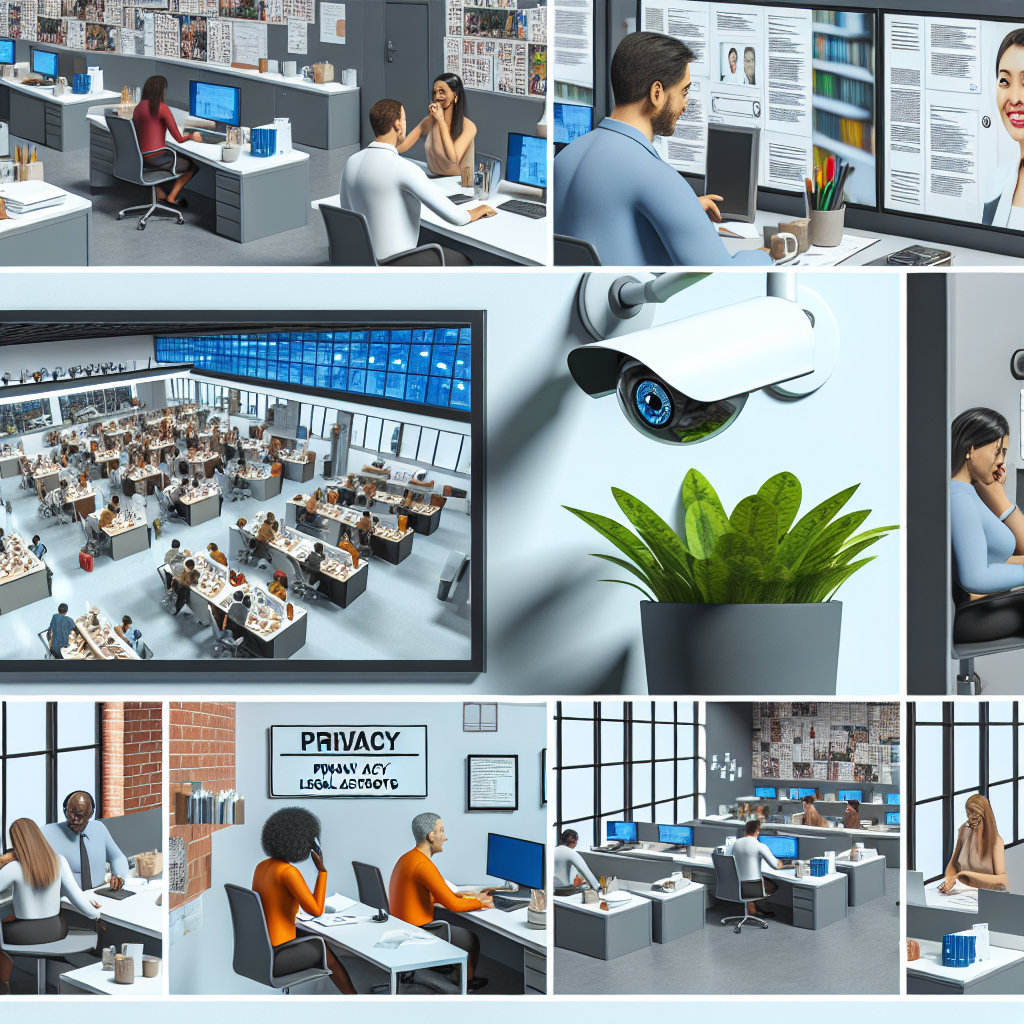
Die kameraüberwachung im büro ist ein Thema, das in vielen Unternehmen auf großes Interesse stößt. Sie kann zur Sicherheit beitragen, aber auch Datenschutzfragen aufwerfen. In diesem Artikel werden wir die rechtlichen Aspekte der kameraüberwachung im büro sowie die Datenschutzbestimmungen, die dabei zu beachten sind, untersuchen.
Rechtliche Aspekte der Kameraüberwachung im Büro
Die rechtlichen Aspekte der kameraüberwachung im büro sind in Deutschland streng geregelt. Das Bundesdatenschutzgesetz (BDSG) und die Datenschutz-Grundverordnung (DSGVO) legen fest, unter welchen Bedingungen eine Videoüberwachung am Arbeitsplatz zulässig ist.
Hinweis zu AI-generierten Inhalten: Die Inhalte dieses Blogs werden mithilfe fortschrittlicher künstlicher Intelligenz erstellt. Obwohl wir uns bemühen, Ihnen stets präzise und nützliche Informationen zu bieten, kann es vorkommen, dass Fragen oder Unklarheiten bestehen bleiben. In solchen Fällen stehen Ihnen unsere Experten gerne zur Verfügung. Zögern Sie nicht, uns über die unten aufgeführten Kontaktmöglichkeiten zu erreichen. Unsere Spezialisten sind wahre Kenner ihres Fachs und helfen Ihnen gerne weiter!

Kontaktmöglichkeiten:

Feedback-Formular: Formular Ausfüllen
E-Mail: vertrieb@graef-gruppe.de
Telefon: +493069202294
Wir freuen uns auf Ihre Rückfragen und darauf, Ihnen bei jedem Anliegen behilflich zu sein!
Grundsätzlich ist die kameraüberwachung im büro nur zulässig, wenn sie zur Wahrnehmung berechtigter Interessen für konkret festgelegte Zwecke erforderlich ist und keine Anhaltspunkte bestehen, dass schutzwürdige Interessen der betroffenen Personen überwiegen. Beispiele für solche berechtigten Interessen können die Sicherheit der Mitarbeiter oder der Schutz von Eigentum sein.
Datenschutz bei der Kameraüberwachung im Büro
Der Datenschutz spielt bei der kameraüberwachung im büro eine zentrale Rolle. Gemäß DSGVO müssen Unternehmen, die eine Videoüberwachung einsetzen, bestimmte Datenschutzprinzipien einhalten. Dazu gehören unter anderem die Datensparsamkeit, die Transparenz und die Sicherheit der Datenverarbeitung.
- Datensparsamkeit: Es dürfen nur so viele Daten erhoben werden, wie für den festgelegten Zweck erforderlich sind. Das bedeutet, dass nicht permanent aufgezeichnet werden darf und nur Bereiche überwacht werden dürfen, die für den Zweck der Überwachung relevant sind.
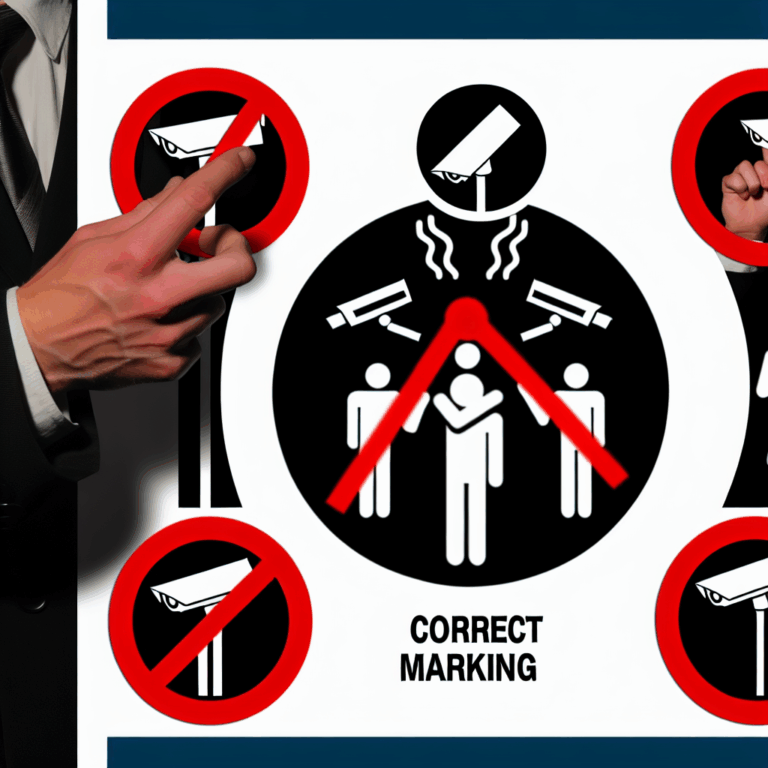
- Transparenz: Die Mitarbeiter müssen über die Videoüberwachung informiert werden. Dies kann beispielsweise durch ein Schild im Eingangsbereich des Büros erfolgen, das auf die Kameraüberwachung hinweist.
- Sicherheit der Datenverarbeitung: Die aufgezeichneten Daten müssen sicher aufbewahrt und vor unbefugtem Zugriff geschützt werden. Zudem müssen sie nach einer bestimmten Frist gelöscht werden, sofern sie nicht mehr benötigt werden.
Beispiele und Fallstudien zur Kameraüberwachung im Büro
Es gibt zahlreiche Beispiele und Fallstudien, die die rechtlichen und datenschutzrechtlichen Aspekte der kameraüberwachung im büro verdeutlichen. Ein bekanntes Beispiel ist der Fall einer deutschen Bank, die ihre Mitarbeiter ohne deren Wissen überwachte. Das Landesarbeitsgericht Hessen entschied in diesem Fall, dass die Bank die Persönlichkeitsrechte ihrer Mitarbeiter verletzt hatte und die aufgezeichneten Daten nicht als Beweismittel in einem Kündigungsverfahren verwenden durfte.
Eine weitere Fallstudie betrifft ein Einzelhandelsunternehmen, das seine Mitarbeiter zur Diebstahlprävention überwachte. Das Unternehmen konnte nachweisen, dass die Überwachung zur Wahrnehmung berechtigter Interessen erforderlich war und die Interessen der Mitarbeiter nicht überwogen. Daher war die Überwachung in diesem Fall zulässig.
Kameraüberwachung im Büro: Ein abschließender Blick
Die kameraüberwachung im büro ist ein komplexes Thema, das sowohl rechtliche als auch datenschutzrechtliche Aspekte berührt. Unternehmen, die eine Videoüberwachung einsetzen möchten, müssen daher sorgfältig prüfen, ob sie die gesetzlichen Anforderungen erfüllen. Sie sollten dabei insbesondere die Prinzipien der Datensparsamkeit, Transparenz und Sicherheit der Datenverarbeitung beachten.
Es ist auch wichtig, die Mitarbeiter über die Überwachung zu informieren und ihre Rechte zu respektieren. Nur so kann eine kameraüberwachung im büro rechtlich zulässig und ethisch vertretbar sein.