
Kameraüberwachung am Arbeitsplatz: Rechtskonforme Lösungen für mehr Sicherheit
Entdecken Sie rechtskonforme Lösungen für Kameraüberwachung am Arbeitsplatz, um die Sicherheit zu erhöhen und Datenschutz zu gewährleisten.
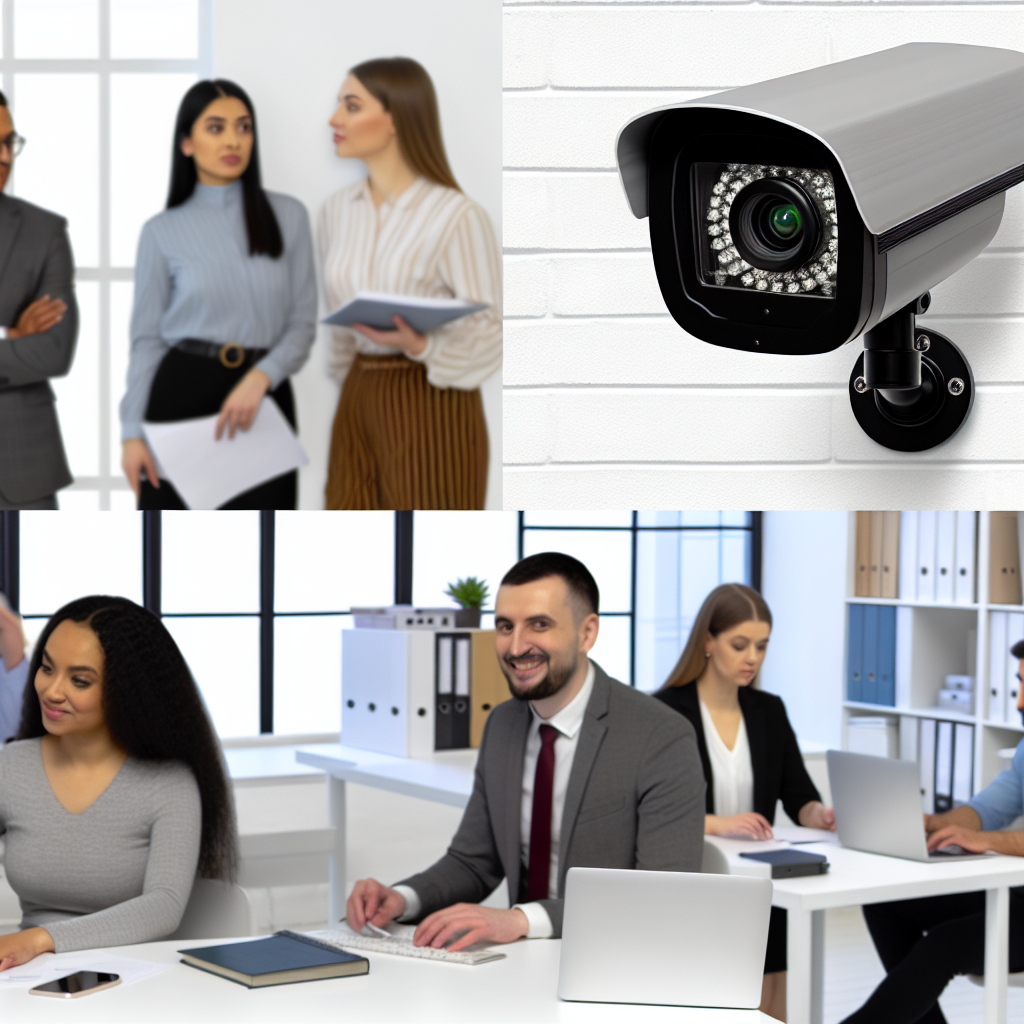
Die kameraüberwachung am arbeitsplatz ist ein Thema, das in vielen Unternehmen auf großes Interesse stößt. Sie kann zur Verbesserung der Sicherheit beitragen, aber auch rechtliche Bedenken hervorrufen. In diesem Artikel werden wir uns mit rechtskonformen Lösungen für die kameraüberwachung am arbeitsplatz beschäftigen und wie diese zur Verbesserung der Sicherheit beitragen können.
Hinweis zu AI-generierten Inhalten: Die Inhalte dieses Blogs werden mithilfe fortschrittlicher künstlicher Intelligenz erstellt. Obwohl wir uns bemühen, Ihnen stets präzise und nützliche Informationen zu bieten, kann es vorkommen, dass Fragen oder Unklarheiten bestehen bleiben. In solchen Fällen stehen Ihnen unsere Experten gerne zur Verfügung. Zögern Sie nicht, uns über die unten aufgeführten Kontaktmöglichkeiten zu erreichen. Unsere Spezialisten sind wahre Kenner ihres Fachs und helfen Ihnen gerne weiter!

Kontaktmöglichkeiten:

Feedback-Formular: Formular Ausfüllen
E-Mail: vertrieb@graef-gruppe.de
Telefon: +493069202294
Wir freuen uns auf Ihre Rückfragen und darauf, Ihnen bei jedem Anliegen behilflich zu sein!
Rechtliche Rahmenbedingungen für die Kameraüberwachung am Arbeitsplatz
Bevor wir uns mit den Lösungen für die kameraüberwachung am arbeitsplatz beschäftigen, ist es wichtig, die rechtlichen Rahmenbedingungen zu verstehen. In Deutschland ist die Überwachung von Mitarbeitern durch Kameras grundsätzlich zulässig, jedoch nur unter bestimmten Bedingungen. Dazu gehören unter anderem die Wahrung der Persönlichkeitsrechte der Mitarbeiter, die Einhaltung des Datenschutzes und die Notwendigkeit der Überwachung.
Rechtskonforme Lösungen für die Kameraüberwachung am Arbeitsplatz
Es gibt verschiedene Lösungen, die Unternehmen nutzen können, um die kameraüberwachung am arbeitsplatz rechtskonform zu gestalten. Hier sind einige Beispiele:
- Transparente Kommunikation: Die Mitarbeiter sollten über die Überwachung und deren Zweck informiert werden. Dies kann durch Aushänge, Mitarbeitergespräche oder Betriebsvereinbarungen erfolgen.
- Datenschutzkonforme Technologien: Die verwendeten Kameras und Speichertechnologien sollten den Datenschutzbestimmungen entsprechen. Dazu gehört beispielsweise, dass die Daten nur für einen bestimmten Zeitraum gespeichert und dann gelöscht werden.
- Notwendigkeit der Überwachung: Die Überwachung sollte nur dort eingesetzt werden, wo sie wirklich notwendig ist. Beispielsweise in Bereichen mit hohem Diebstahlrisiko oder zur Sicherheit der Mitarbeiter.
Wie die Kameraüberwachung zur Verbesserung der Sicherheit beitragen kann
Die kameraüberwachung am arbeitsplatz kann auf verschiedene Weisen zur Verbesserung der Sicherheit beitragen. Sie kann beispielsweise dazu dienen, Diebstähle aufzuklären, Vandalismus zu verhindern oder die Sicherheit der Mitarbeiter zu gewährleisten. Darüber hinaus kann sie auch dazu beitragen, das Sicherheitsbewusstsein der Mitarbeiter zu erhöhen.
Beispiele für die erfolgreiche Umsetzung der Kameraüberwachung am Arbeitsplatz
Es gibt zahlreiche Beispiele für Unternehmen, die die kameraüberwachung am arbeitsplatz erfolgreich und rechtskonform umgesetzt haben. Ein Beispiel ist ein großes Einzelhandelsunternehmen, das durch den Einsatz von Kameras die Zahl der Diebstähle deutlich reduzieren konnte. Ein anderes Beispiel ist ein Produktionsunternehmen, das durch die Überwachung der Produktionsprozesse die Qualität seiner Produkte verbessern konnte.
Kameraüberwachung am Arbeitsplatz: Rechtskonforme Lösungen für mehr Sicherheit
Zusammenfassend lässt sich sagen, dass die kameraüberwachung am arbeitsplatz ein wirksames Mittel zur Verbesserung der Sicherheit sein kann, wenn sie rechtskonform umgesetzt wird. Unternehmen sollten dabei immer die rechtlichen Rahmenbedingungen beachten und die Persönlichkeitsrechte ihrer Mitarbeiter respektieren. Mit den richtigen Lösungen und Technologien kann die kameraüberwachung am arbeitsplatz jedoch zu einem wichtigen Bestandteil des Sicherheitskonzepts eines Unternehmens werden.