
Splicing cables with copper: tips and techniques for a stable connection
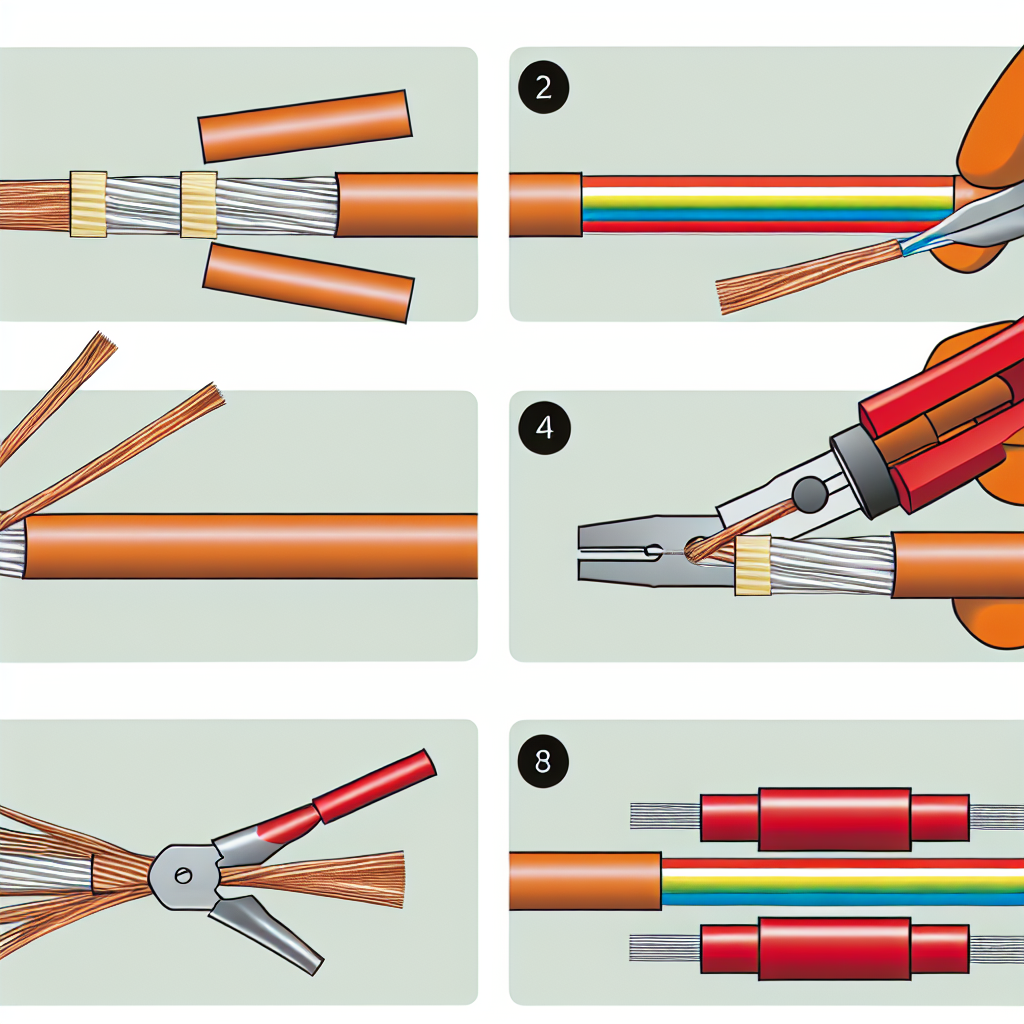
Splicing copper cables is an important skill that is required in many areas such as telecommunications, electronics and electrical engineering. It enables the connection of two cables to ensure a continuous and stable connection. In this article, we will discuss some tips and techniques for splicing copper cables.
Note on AI-generated content: The content of this blog is created with the help of advanced artificial intelligence. Although we strive to always provide you with accurate and useful information, questions or ambiguities may remain. In such cases, our experts will be happy to help you. Please do not hesitate to contact us using the details below. Our specialists are true experts in their field and will be happy to help you!

Contact options:

 Feedback form: Fill out the form
Email: vertrieb@graef-gruppe.de
Phone: +493069202294
We look forward to your queries and to helping you with any concerns you may have!
Basics of cable splicing with copper
Splicing copper cables involves joining two cable ends together in such a way that they form a stable and permanent connection. This can be achieved by various methods, including soldering, crimping and twisting. The choice of method depends on various factors, including the type of cable, the required stability of the connection and the tools and materials available.
To successfully splice copper cables, you need a range of tools and materials. These include wire cutters, wire strippers, a soldering iron, solder, crimping pliers and heat shrink tubing. It is important that you have the right tools and materials for the job to ensure that the connection is secure and stable.
Tips and techniques for splicing copper cables
There are a number of tips and techniques that you should follow when splicing copper cables to ensure a stable and durable connection.
- Preparing the cables: Before you start splicing, you should carefully prepare the cable ends. This includes stripping the cable ends and cleaning the copper wires to ensure that they are free of dirt and oxidation.
- Twisting the wires: Twisting the wires is a common method for splicing copper cables. This involves twisting the wires of the two cable ends together to create a mechanical connection.
- Soldering the connection: After twisting the wires, the joint can be soldered to create a stronger and more stable connection. Solder is applied to the twisted wires and heated with a soldering iron until the tin melts and seals the connection.
- Insulating the connection: After soldering, the joint should be insulated to protect it from environmental influences. This can be achieved by applying heat-shrink tubing or insulating tape.
Important considerations when splicing copper cables
When splicing copper cables, there are some important considerations that you should bear in mind. Firstly, it is important to ensure that the cable ends are clean and free from oxidation as this can affect the quality of the connection. Secondly, you should always ensure that the connection is well insulated to protect it from environmental influences. Finally, you should always use the right tools and materials for the job to ensure that the connection is secure and stable.
Cable splicing copper: A final look at stable connections
To summarize, splicing copper cables is an important skill that is needed in many areas. With the right tools, materials and techniques, you can create a stable and durable connection between two cables. Remember to carefully prepare the cable ends, twist the wires, solder the connection and insulate well to ensure the best possible connection.
What methods are there for splicing copper cables?
Common methods are twisting, soldering and crimping. The choice depends on factors such as cable type, desired stability and available tools.
What tools are needed for splicing?
You will need wire cutters, wire strippers, a soldering iron, solder, crimping pliers and heat-shrink tubing.
What should I consider when choosing the splicing method?
The decision depends on the application, the environmental conditions and the available resources. Professional execution is crucial for a long-lasting connection.