
Glasfasern spleißen: Grundlagen und Techniken für effiziente Datenübertragung
Die Glasfasertechnologie hat die Art und Weise, wie wir Daten übertragen, revolutioniert. Sie bietet eine schnellere und effizientere Datenübertragung im Vergleich zu herkömmlichen Kupferkabeln. Ein wichtiger Aspekt dieser Technologie ist das Spleißen von glasfasern. In diesem Artikel werden wir die Grundlagen und Techniken des Glasfaserspleißens und deren Bedeutung für eine effiziente Datenübertragung erläutern.
Was ist das Spleißen von Glasfasern?
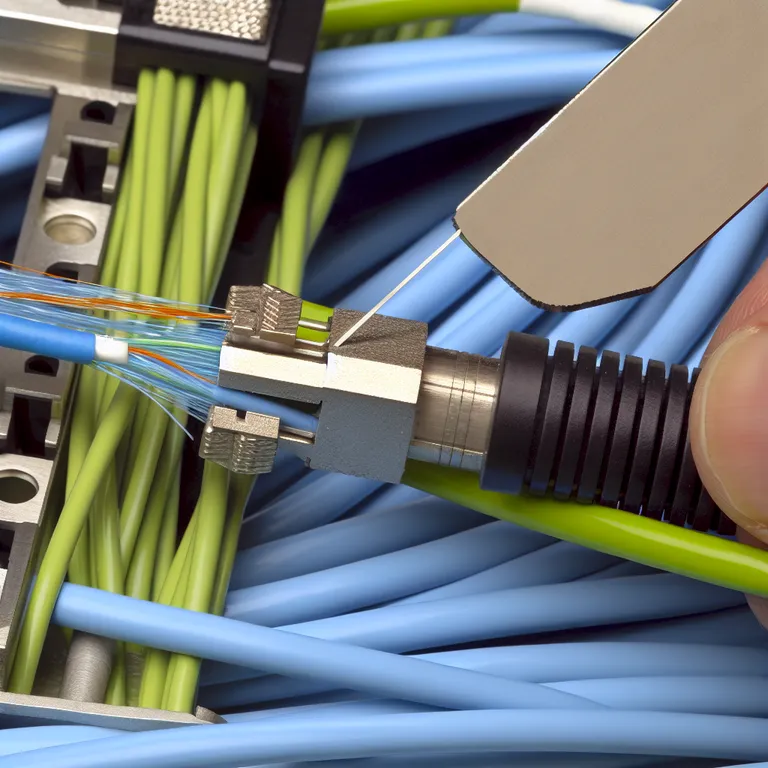
Das Spleißen von glasfasern ist ein Prozess, bei dem zwei Glasfaserkabel miteinander verbunden werden. Dieser Prozess ist notwendig, um eine kontinuierliche Verbindung und eine effiziente Datenübertragung zu gewährleisten. Es gibt zwei Hauptmethoden des Glasfaserspleißens: die Fusionsmethode und die mechanische Methode.
Beim Fusionsspleißen werden die Enden der Glasfaserkabel erhitzt, bis sie schmelzen, und dann zusammengefügt. Dieser Prozess erfordert spezielle Geräte und Fachwissen, um sicherzustellen, dass die Kabel korrekt ausgerichtet und verbunden sind. Das Fusionsspleißen bietet eine stärkere und zuverlässigere Verbindung als das mechanische Spleißen und wird häufig in Telekommunikationsnetzen und für Langstreckenverbindungen verwendet.
Mechanisches Spleißen
Beim mechanischen Spleißen werden die Enden der Glasfaserkabel mit einem speziellen Klebstoff oder mechanischen Vorrichtungen zusammengefügt. Diese Methode ist einfacher und schneller als das Fusionsspleißen, bietet jedoch nicht die gleiche Stärke und Zuverlässigkeit. Das mechanische Spleißen wird häufig für temporäre Verbindungen oder in Situationen verwendet, in denen das Fusionsspleißen nicht praktikabel ist.
Vorteile des Spleißens von Glasfasern
Das Spleißen von glasfasern bietet eine Reihe von Vorteilen, die es zu einer bevorzugten Methode für die Datenübertragung machen. Einige dieser Vorteile sind:
- Erhöhte Datenübertragungsgeschwindigkeiten: Glasfaserkabel können Daten mit Lichtgeschwindigkeit übertragen, was sie deutlich schneller macht als herkömmliche Kupferkabel.
- Weniger Signalverlust: Durch das Spleißen von glasfasern wird der Signalverlust minimiert, was zu einer effizienteren Datenübertragung führt.
- Größere Bandbreite: Glasfaserkabel bieten eine größere Bandbreite als Kupferkabel, was bedeutet, dass sie mehr Daten gleichzeitig übertragen können.
Beispiel für das Spleißen von Glasfasern in der Praxis
Ein gutes Beispiel für die Anwendung des Glasfaserspleißens ist das Telekommunikationsnetzwerk. Telekommunikationsunternehmen nutzen das Spleißen von glasfasern, um eine kontinuierliche und effiziente Datenübertragung über große Entfernungen zu gewährleisten. Durch das Spleißen von glasfasern können sie eine hohe Datenübertragungsrate und eine geringe Latenzzeit erreichen, was für Anwendungen wie VoIP, Video-Streaming und Cloud-Computing von entscheidender Bedeutung ist.
Spleißen von Glasfasern: Grundlagen und Techniken für effiziente Datenübertragung
Zusammenfassend lässt sich sagen, dass das Spleißen von glasfasern eine entscheidende Rolle bei der effizienten Datenübertragung spielt. Durch die Verwendung von Techniken wie dem Fusionsspleißen und dem mechanischen Spleißen können Unternehmen eine schnelle und zuverlässige Datenübertragung über große Entfernungen gewährleisten. Mit der zunehmenden Abhängigkeit von schnellen und effizienten Datenübertragungstechnologien wird das Spleißen von glasfasern weiterhin eine wichtige Rolle in der Telekommunikationsbranche und darüber hinaus spielen.