
Glasfaserkabel im Haus verlegen: Schritt für Schritt zur schnellen Internetverbindung
"Anleitung zum Verlegen von Glasfaserkabeln im Haus für eine schnelle Internetverbindung. Einfach, effizient und Schritt für Schritt erklärt."
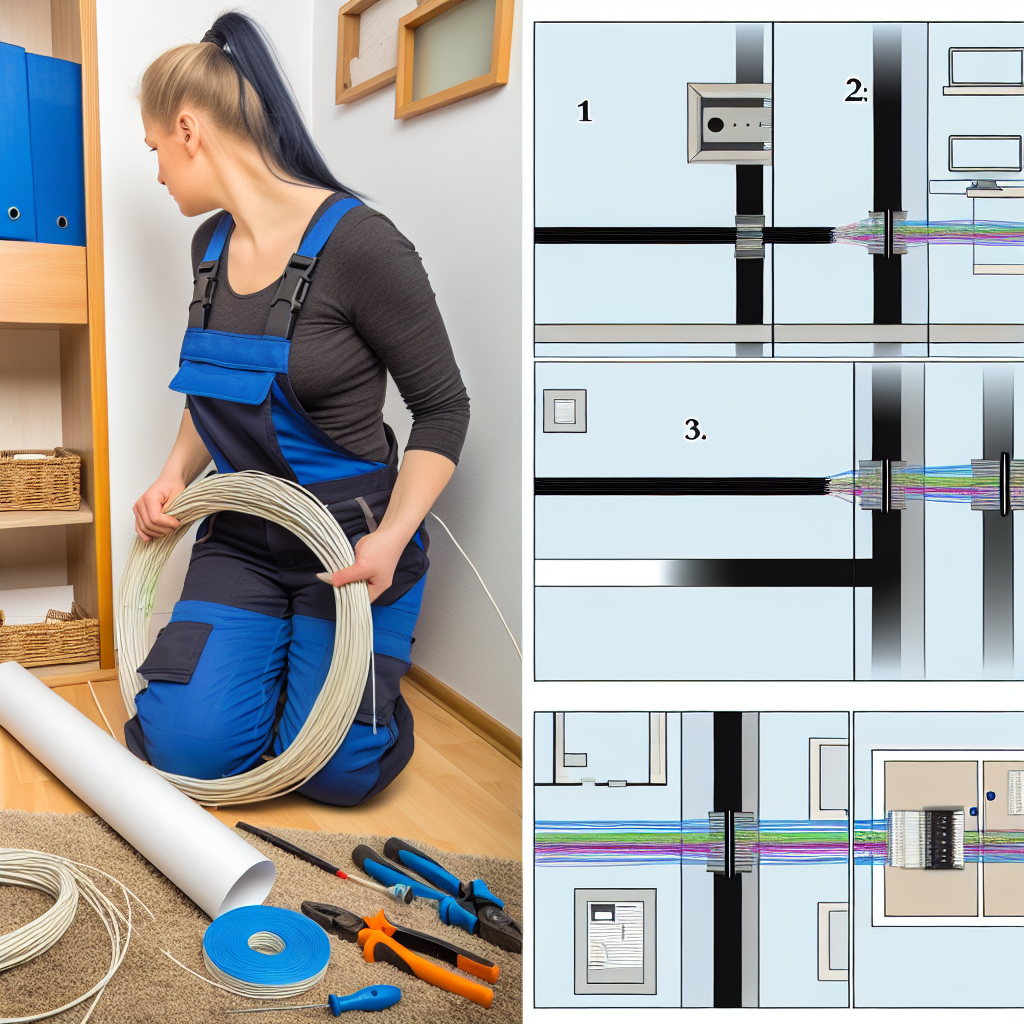
Die Verlegung von Glasfaserkabeln im Haus ist ein entscheidender Schritt zur Verbesserung Ihrer Internetverbindung. Glasfaserkabel bieten eine schnellere und zuverlässigere Internetverbindung als herkömmliche Kupferkabel. In diesem Artikel werden wir Schritt für Schritt durch den Prozess der Verlegung von Glasfaserkabeln im Haus gehen.
Hinweis zu AI-generierten Inhalten: Die Inhalte dieses Blogs werden mithilfe fortschrittlicher künstlicher Intelligenz erstellt. Obwohl wir uns bemühen, Ihnen stets präzise und nützliche Informationen zu bieten, kann es vorkommen, dass Fragen oder Unklarheiten bestehen bleiben. In solchen Fällen stehen Ihnen unsere Experten gerne zur Verfügung. Zögern Sie nicht, uns über die unten aufgeführten Kontaktmöglichkeiten zu erreichen. Unsere Spezialisten sind wahre Kenner ihres Fachs und helfen Ihnen gerne weiter!

Kontaktmöglichkeiten:

Feedback-Formular: Formular Ausfüllen
E-Mail: vertrieb@graef-gruppe.de
Telefon: +493069202294
Wir freuen uns auf Ihre Rückfragen und darauf, Ihnen bei jedem Anliegen behilflich zu sein!
Warum Glasfaserkabel im Haus verlegen?
Glasfaserkabel bieten eine Reihe von Vorteilen gegenüber herkömmlichen Kupferkabeln. Sie bieten eine höhere Bandbreite, was bedeutet, dass sie mehr Daten übertragen können. Darüber hinaus sind sie weniger anfällig für Störungen und bieten eine stabilere Verbindung. Dies macht sie ideal für Haushalte, in denen mehrere Geräte gleichzeitig auf das Internet zugreifen.
Schritt 1: Planung
Der erste Schritt bei der Verlegung von Glasfaserkabeln im Haus ist die Planung. Sie müssen entscheiden, wo die Kabel verlaufen sollen und wo die Anschlusspunkte sein sollen. Es ist wichtig, dass Sie einen Plan haben, bevor Sie mit der Arbeit beginnen, um sicherzustellen, dass die Kabel ordnungsgemäß verlegt werden und dass Sie genügend Kabel haben, um alle gewünschten Bereiche abzudecken.
Schritt 2: Materialbeschaffung
Nachdem Sie Ihren Plan erstellt haben, müssen Sie die notwendigen Materialien beschaffen. Dazu gehören das Glasfaserkabel selbst, sowie alle notwendigen Werkzeuge und Zubehörteile. Sie benötigen auch spezielle Geräte zum Schneiden und Verbinden der Kabel.
Schritt 3: Verlegung der Kabel
Der nächste Schritt ist die eigentliche Verlegung der Kabel. Dies kann eine Herausforderung sein, insbesondere in älteren Häusern, in denen die Wände möglicherweise nicht für die Verlegung von Kabeln ausgelegt sind. Sie müssen möglicherweise Löcher in die Wände bohren oder Kabelkanäle installieren, um die Kabel zu verlegen.
Schritt 4: Anschluss der Kabel
Nachdem die Kabel verlegt sind, müssen sie angeschlossen werden. Dies erfordert spezielle Kenntnisse und Werkzeuge, daher ist es oft am besten, einen Fachmann zu beauftragen. Sobald die Kabel angeschlossen sind, sollten Sie in der Lage sein, eine schnellere und zuverlässigere Internetverbindung zu genießen.
Tipps und Tricks
- Stellen Sie sicher, dass Sie genügend Kabel haben, um alle gewünschten Bereiche abzudecken.
- Verwenden Sie spezielle Werkzeuge zum Schneiden und Verbinden der Kabel.
- Beauftragen Sie einen Fachmann, wenn Sie sich nicht sicher sind, wie die Kabel angeschlossen werden sollen.
Glasfaserkabel im Haus verlegen: Ein Schritt in Richtung schnellerer Internetverbindung
Die Verlegung von Glasfaserkabeln im Haus kann eine Herausforderung sein, aber die Vorteile sind es wert. Mit einer schnelleren und zuverlässigeren Internetverbindung können Sie das Internet in vollen Zügen genießen, ohne sich über langsame Geschwindigkeiten oder instabile Verbindungen Gedanken machen zu müssen. Mit der richtigen Planung und den richtigen Werkzeugen können Sie Glasfaserkabel in Ihrem Haus verlegen und Ihre Internetverbindung verbessern.