
Glasfaseranschluss München – Herausforderungen und Chancen der Glasfasertechnologie
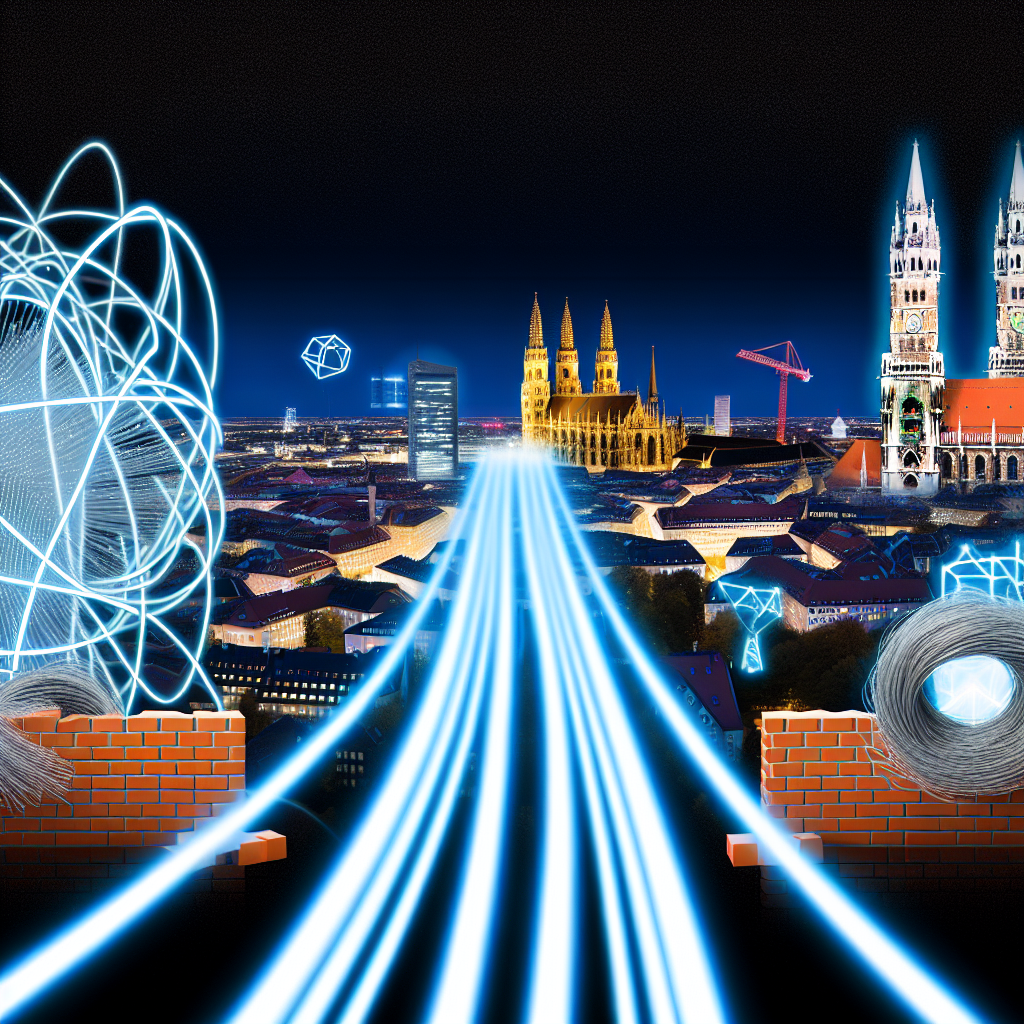
Glasfaseranschluss München: Eine Einführung
Die Glasfasertechnologie hat in den letzten Jahren erhebliche Fortschritte gemacht und bietet nun eine leistungsstarke Alternative zu herkömmlichen Kupferkabeln. In München wird diese Technologie zunehmend genutzt, um schnelle und zuverlässige Internetverbindungen zu ermöglichen. Der Glasfaseranschluss München ist jedoch nicht ohne Herausforderungen, bietet aber auch erhebliche Chancen.
Was ist Glasfasertechnologie?
Glasfasertechnologie nutzt Lichtwellen zur Übertragung von Daten über lange Strecken. Im Vergleich zu Kupferkabeln, die elektrische Signale verwenden, sind Glasfasern weniger anfällig für Störungen und können Daten mit höherer Geschwindigkeit und über größere Entfernungen übertragen.
Herausforderungen bei der Implementierung von Glasfaseranschluss München
Die Implementierung von Glasfasertechnologie in München ist mit einigen Herausforderungen verbunden. Einige davon sind:
- Kosten: Die Installation von Glasfaserkabeln kann teuer sein, insbesondere in städtischen Gebieten, wo der Zugang zu unterirdischen Leitungen eingeschränkt sein kann.
- Technische Herausforderungen: Die Installation und Wartung von Glasfaserkabeln erfordert spezielle Kenntnisse und Fähigkeiten. Dies kann die Implementierung in Gebieten erschweren, in denen solche Fachkenntnisse nicht vorhanden sind.
- Regulatorische Hürden: In einigen Fällen können regulatorische Hürden die Implementierung von Glasfasertechnologie verlangsamen oder verhindern.
Chancen der Glasfasertechnologie in München
Trotz dieser Herausforderungen bietet die Glasfasertechnologie in München erhebliche Chancen. Einige davon sind:
- Schnellere Internetgeschwindigkeiten: Glasfaserkabel können Daten mit Geschwindigkeiten von bis zu 1 Gbit/s übertragen, was deutlich schneller ist als die meisten herkömmlichen Breitbandverbindungen.
- Zuverlässigere Verbindungen: Da Glasfaserkabel weniger anfällig für Störungen sind, können sie zuverlässigere Internetverbindungen bieten.
- Unterstützung für zukünftige Technologien: Mit ihrer hohen Bandbreite und Geschwindigkeit können Glasfaserkabel die Implementierung zukünftiger Technologien wie 5G und das Internet der Dinge (IoT) unterstützen.
Glasfaseranschluss München: Ein Fallbeispiel
Ein gutes Beispiel für die erfolgreiche Implementierung von Glasfasertechnologie in München ist das Projekt „Glasfaser Nordwest“. Dieses Projekt, eine Partnerschaft zwischen der Deutschen Telekom und EWE, zielt darauf ab, bis 2030 rund 1,5 Millionen Haushalte und Unternehmen in Nordwestdeutschland mit Glasfaser zu versorgen.
Trotz anfänglicher Herausforderungen, einschließlich hoher Kosten und technischer Schwierigkeiten, hat das Projekt bereits erhebliche Fortschritte gemacht. Bis Ende 2020 wurden bereits mehr als 100.000 Haushalte und Unternehmen an das Glasfasernetz angeschlossen.
Fazit
Die Glasfasertechnologie bietet erhebliche Chancen für München, einschließlich schnellerer Internetgeschwindigkeiten, zuverlässigerer Verbindungen und der Unterstützung zukünftiger Technologien. Trotz der Herausforderungen bei der Implementierung ist der Glasfaseranschluss München ein wichtiger Schritt in Richtung einer digitalen Zukunft.