
Glasfaser spleißen: Der Schlüssel zu stabilen und schnellen Verbindungen
"Spleißen Glasfaser: Erfahren Sie, wie das Spleißen von Glasfaser zu stabilen, schnellen Internetverbindungen führt."
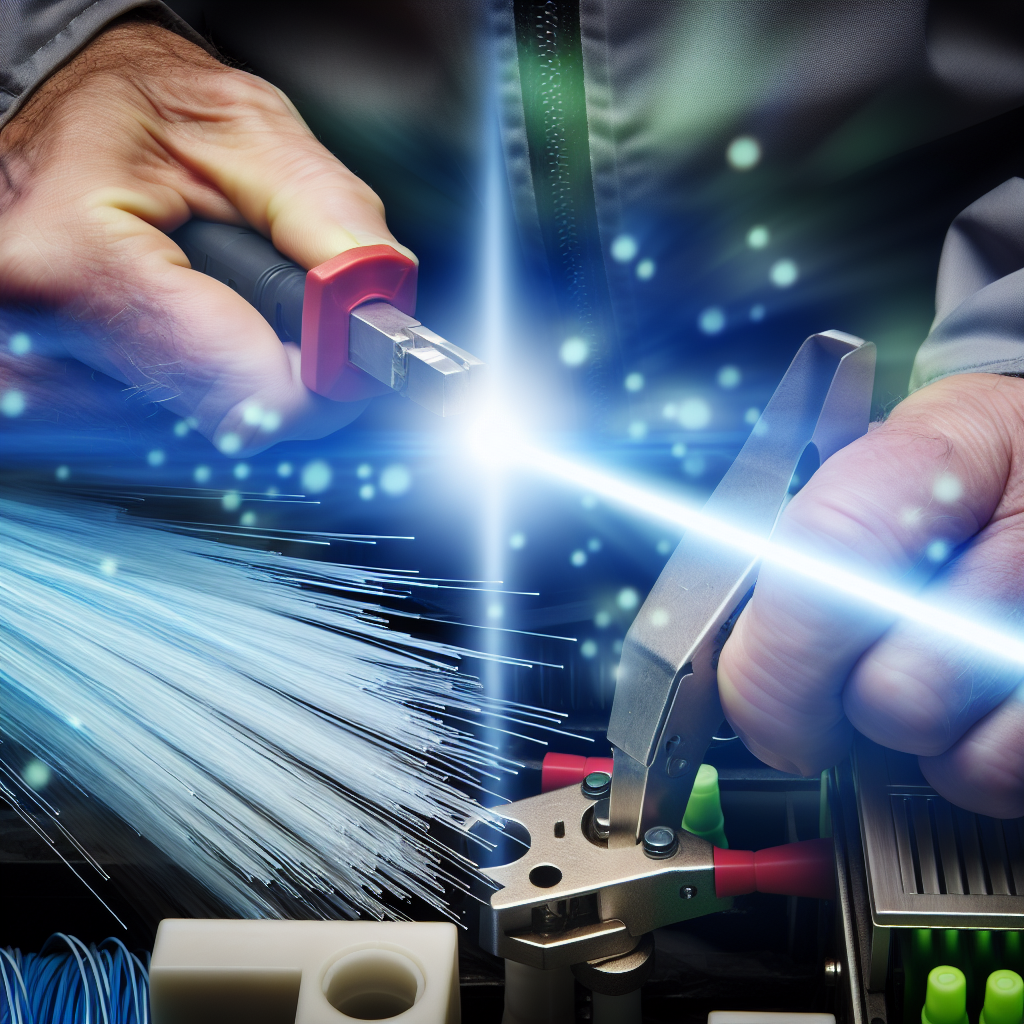
Die Welt der Technologie entwickelt sich ständig weiter und mit ihr die Notwendigkeit, immer schnellere und stabilere Verbindungen zu gewährleisten. Eine Methode, die sich als besonders effektiv erwiesen hat, ist das Spleißen von Glasfaser. Aber was genau ist Glasfaser-Spleißen und warum ist es so wichtig für stabile und schnelle Verbindungen? Lassen Sie uns das genauer untersuchen.
Hinweis zu AI-generierten Inhalten: Die Inhalte dieses Blogs werden mithilfe fortschrittlicher künstlicher Intelligenz erstellt. Obwohl wir uns bemühen, Ihnen stets präzise und nützliche Informationen zu bieten, kann es vorkommen, dass Fragen oder Unklarheiten bestehen bleiben. In solchen Fällen stehen Ihnen unsere Experten gerne zur Verfügung. Zögern Sie nicht, uns über die unten aufgeführten Kontaktmöglichkeiten zu erreichen. Unsere Spezialisten sind wahre Kenner ihres Fachs und helfen Ihnen gerne weiter!

Kontaktmöglichkeiten:

Feedback-Formular: Formular Ausfüllen
E-Mail: vertrieb@graef-gruppe.de
Telefon: +493069202294
Wir freuen uns auf Ihre Rückfragen und darauf, Ihnen bei jedem Anliegen behilflich zu sein!
Was ist Glasfaser-Spleißen?
Glasfaser-Spleißen ist der Prozess, bei dem zwi Glasfaserkabel miteinander verbunden werden. Dies wird erreicht, indem die Enden der Kabel erhitzt und dann zusammengefügt werden, um eine einzige, durchgehende Verbindung zu schaffen. Es gibt zwei Hauptmethoden des Glasfaser-Spleißens: das mechanische und das Fusionsspleißen.
Mechanisches vs. Fusionsspleißen
Beim mechanischen Spleißen werden die Enden der Glasfaserkabel einfach zusammengefügt und mit einem speziellen Klebstoff oder einer mechanischen Vorrichtung fixiert. Dies ist eine schnellere und kostengünstigere Methode, führt jedoch oft zu höheren Verlusten und weniger stabilen Verbindungen.
Das Fusionsspleißen hingegen erfordert spezielle Geräte und mehr Fachwissen. Die Enden der Kabel werden erhitzt und dann genau ausgerichtet, um eine nahezu perfekte Verbindung zu schaffen. Dies führt zu geringeren Verlusten und stabileren Verbindungen, ist jedoch zeitaufwändiger und teurer.
Warum ist Glasfaser-Spleißen wichtig?
Das Spleißen von Glasfaser ist aus mehreren Gründen von entscheidender Bedeutung. Erstens ermöglicht es die Verbindung von Glasfaserkabeln über große Entfernungen. Dies ist besonders wichtig in Bereichen wie Telekommunikation und Internet, wo Daten über weite Strecken übertragen werden müssen.
Zweitens ermöglicht das Glasfaser-Spleißen eine stabilere und schnellere Verbindung. Da die Daten als Lichtsignale übertragen werden, gibt es weniger Interferenzen und Verluste als bei herkömmlichen Kupferkabeln. Dies führt zu schnelleren Datenübertragungsraten und weniger Ausfallzeiten.
Ein gutes Beispiel für die Bedeutung des Glasfaser-Spleißens ist das Unterseekabelsystem. Diese Kabel, die auf dem Meeresboden verlegt werden, sind oft Tausende von Kilometern lang und müssen in regelmäßigen Abständen gespleißt werden. Ohne das Glasfaser-Spleißen wäre es nicht möglich, diese Kabel zu verlegen und stabile, schnelle Verbindungen über solche Entfernungen zu gewährleisten.
Eine Fallstudie, die die Vorteile des Glasfaser-Spleißens zeigt, ist die Einführung von Glasfaser-Internet in ländlichen Gebieten. In vielen dieser Gebiete war das Internet zuvor langsam und unzuverlässig. Durch das Spleißen von Glasfaserkabeln konnten jedoch stabile und schnelle Internetverbindungen bereitgestellt werden, was die Lebensqualität der Bewohner erheblich verbessert hat.
Glasfaser spleißen: Der Schlüssel zu stabilen und schnellen Verbindungen
Zusammenfassend lässt sich sagen, dass das Spleißen von Glasfaser ein entscheidender Faktor für die Bereitstellung stabiler und schneller Verbindungen ist. Obwohl es sowohl mechanische als auch Fusionsspleißmethoden gibt, bietet das Fusionsspleißen in der Regel die stabilsten und effizientesten Ergebnisse. Mit der zunehmenden Abhängigkeit von schnellen und zuverlässigen Datenverbindungen wird das Glasfaser-Spleißen wahrscheinlich noch wichtiger werden.