
Fiber optic modem - the core of high-speed networks
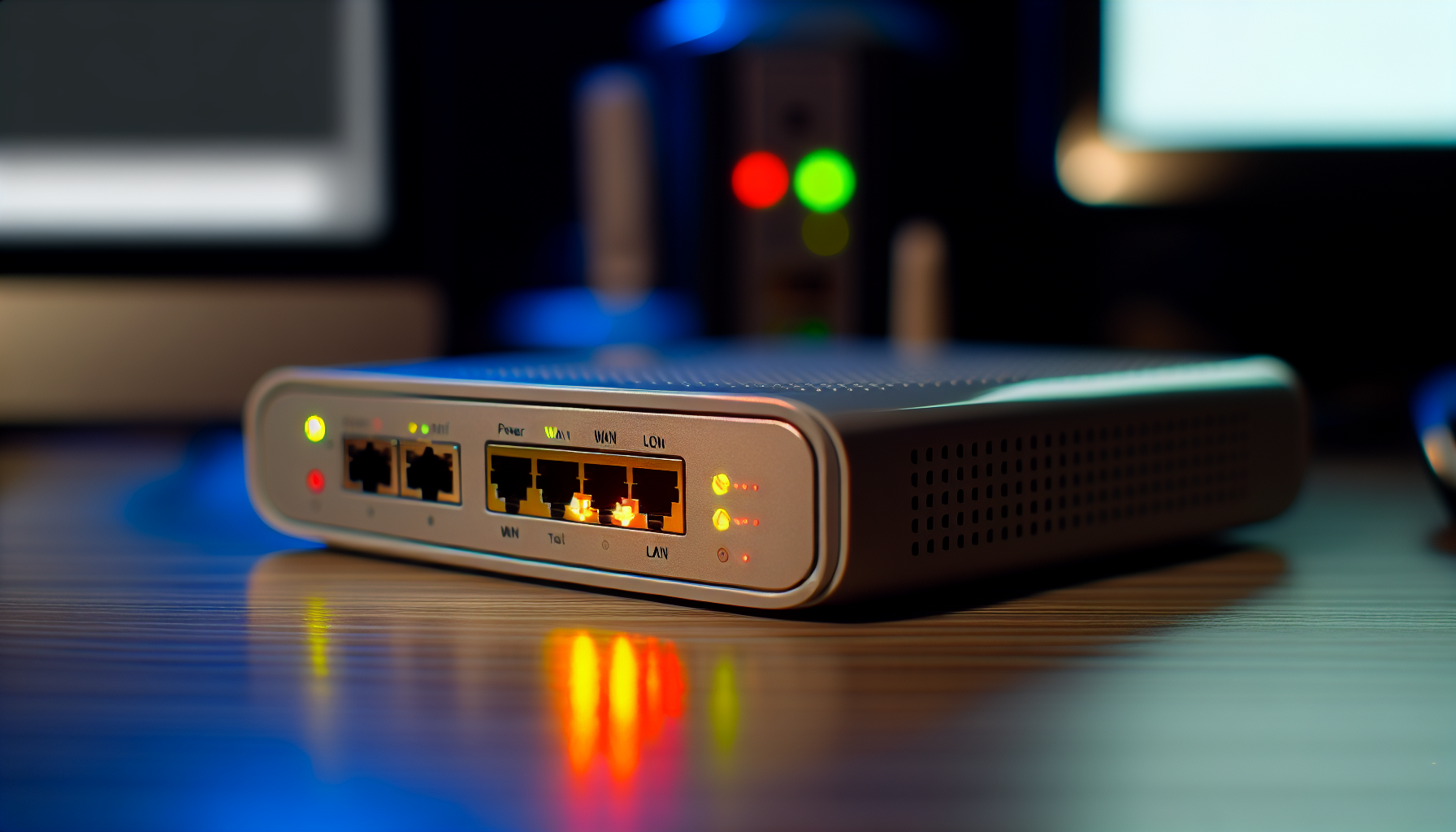
The world of technology is constantly evolving and with it the way we transmit and receive information. A key element of this evolution is the fiber optic modem, the centerpiece of high-speed networks. In this article, we will take a closer look at the fiber optic mod em and explain its role in modern communications technology.
What is a fiber optic modem?
A fiber optic modem is a device that converts digital signals into light waves and vice versa. It enables communication via fiber optic cables that can transmit data at the speed of light. Compared to conventional copper cables, fiber optic cables offer a significantly higher bandwidth and thus enable faster and more reliable data transmission.
The role of the fiber optic modem in high-speed networks
The fiber optic modem plays a crucial role in high-speed networks. It enables the enormous bandwidth offered by fiber optic cables to be used, ensuring a fast and stable Internet connection. This is particularly important at a time when more and more people and devices are accessing the internet at the same time, transferring ever-increasing amounts of data.
Example: Broadband networks
A good example of the importance of fiber optic modems are broadband networks. These networks, which are often deployed in urban areas, require high bandwidth to handle the data traffic of thousands or even millions of users. With a fiber optic mod em, these networks can provide the necessary bandwidth to ensure a fast and reliable Internet connection for all users.
Advantages of a fiber optic modem
A fiber optic modem offers a number of advantages over conventional modems. Here are some of the most important:
- Higher speeds: Fiber optic modems can transmit data at the speed of light, which is significantly faster than the speeds that can be achieved with traditional copper cables.
- Greater bandwidth: Fiber optic cables offer a significantly higher bandwidth than copper cables, which means that they can transmit more data at the same time. This is particularly important in times of high network utilization.
- Better reliability: Fiber optic cables are less susceptible to interference and failures than copper cables, resulting in a more stable and reliable Internet connection.
Future of the fiber optic modem
The future of the fiber optic modem looks promising. With the proliferation of high-speed networks and the increasing demand for fast and reliable Internet connections, the importance of the fiber optic modem will continue to grow. In addition, advances in fiber optic technology are enabling ever higher speeds and greater bandwidths, further increasing the potential of the fiber optic modem.
In summary, the fiber optic modem is a crucial element in modern communication technology. It enables the use of the enormous bandwidth that fiber optic cables offer, providing a fast and reliable Internet connection. With the increasing spread of high-speed networks and the growing demand for fast and reliable Internet connections, the importance of the fiber optic modem will continue to grow.