
Glasfaser-Lösungen für Labore: Höchstleistung für Forschung und Technik
Entdecken Sie Glasfaser-Lösungen für Labore. Optimieren Sie Forschung und Technik mit unserer Hochleistungs-Glasfasertechnologie.
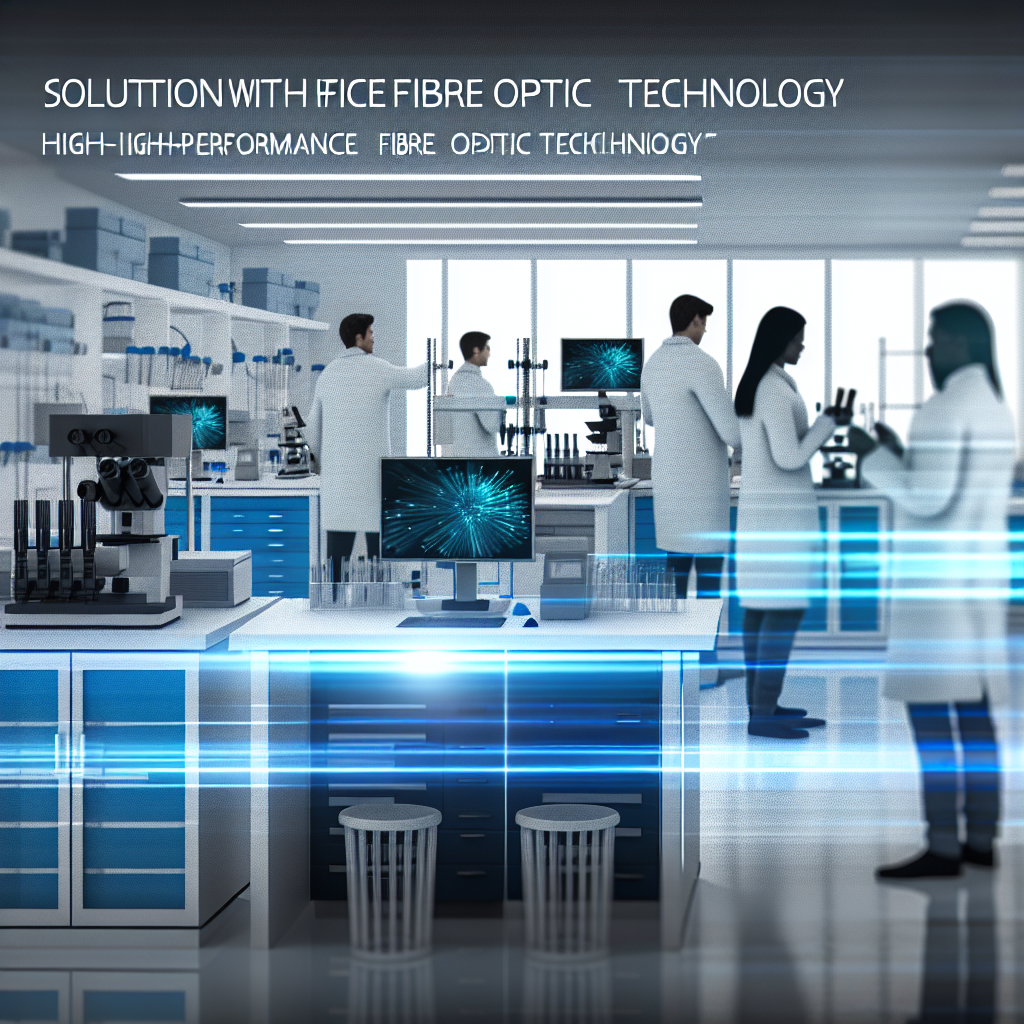
Die fortschreitende Digitalisierung und der zunehmende Bedarf an schnellen Datenübertragungen machen Glasfaser-Technologien immer wichtiger. Insbesondere in Laboren, wo präzise Messungen und schnelle Datenverarbeitung entscheidend sind, bieten Glasfaser-Lösungen erhebliche Vorteile. In diesem Artikel werden wir die Vorteile von Glasfaser-Lösungen für Labore und ihre Rolle in der Forschung und Technik diskutieren.
Hinweis zu AI-generierten Inhalten: Die Inhalte dieses Blogs werden mithilfe fortschrittlicher künstlicher Intelligenz erstellt. Obwohl wir uns bemühen, Ihnen stets präzise und nützliche Informationen zu bieten, kann es vorkommen, dass Fragen oder Unklarheiten bestehen bleiben. In solchen Fällen stehen Ihnen unsere Experten gerne zur Verfügung. Zögern Sie nicht, uns über die unten aufgeführten Kontaktmöglichkeiten zu erreichen. Unsere Spezialisten sind wahre Kenner ihres Fachs und helfen Ihnen gerne weiter!

Kontaktmöglichkeiten:

Feedback-Formular: Formular Ausfüllen
E-Mail: vertrieb@graef-gruppe.de
Telefon: +493069202294
Wir freuen uns auf Ihre Rückfragen und darauf, Ihnen bei jedem Anliegen behilflich zu sein!
Glasfaser-Technologie: Ein Überblick
Glasfaser-Technologie nutzt Lichtwellen zur Übertragung von Daten über lange Distanzen mit hoher Geschwindigkeit und Genauigkeit. Im Vergleich zu herkömmlichen Kupferkabeln bieten Glasfasern eine höhere Bandbreite, geringere Signalverluste und eine bessere Immunität gegen elektromagnetische Störungen. Diese Eigenschaften machen Glasfaser zur idealen Lösung für anspruchsvolle Anwendungen in Forschung und Technik.
Vorteile von Glasfaser-Lösungen für Labore
Glasfaser-Lösungen bieten eine Reihe von Vorteilen für Labore, darunter:
- Hohe Datenübertragungsraten: Glasfaser ermöglicht die Übertragung großer Datenmengen in Echtzeit, was für viele Laboranwendungen entscheidend ist.
- Stabilität und Zuverlässigkeit: Glasfaser ist immun gegen elektromagnetische Störungen und bietet eine stabile und zuverlässige Datenübertragung, auch in anspruchsvollen Umgebungen.
- Flexibilität: Glasfaserkabel können über große Distanzen verlegt werden, ohne dass Signalverstärker benötigt werden. Dies macht sie ideal für den Einsatz in großen Laboren und Forschungseinrichtungen.
Glasfaser in der Forschung und Technik
In der Forschung und Technik werden Glasfaser-Lösungen in einer Vielzahl von Anwendungen eingesetzt. Beispielsweise werden sie in der Medizintechnik zur Übertragung von Bildern und Daten in Echtzeit verwendet, was für die Diagnose und Behandlung von Patienten von entscheidender Bedeutung ist. In der Materialforschung ermöglichen Glasfasern die schnelle und genaue Messung von Eigenschaften wie Temperatur, Druck und Dehnung.
Beispiel für den Einsatz von Glasfaser in Laboren
Ein gutes Beispiel für den Einsatz von Glasfaser in Laboren ist das Large Hadron Collider (LHC) am CERN, dem europäischen Zentrum für Kernforschung. Der LHC ist der größte und leistungsfähigste Teilchenbeschleuniger der Welt und erzeugt enorme Mengen an Daten. Um diese Daten in Echtzeit zu verarbeiten, nutzt das CERN ein Glasfasernetzwerk, das eine schnelle und zuverlässige Datenübertragung ermöglicht.
Glasfaser-Lösungen: Ein Muss für moderne Labore
Angesichts der zunehmenden Datenmengen und der Notwendigkeit einer schnellen und zuverlässigen Datenübertragung sind Glasfaser-Lösungen für moderne Labore unerlässlich. Sie bieten nicht nur eine hohe Leistung, sondern auch eine hohe Flexibilität und Zuverlässigkeit, die für die anspruchsvollen Anforderungen in Forschung und Technik entscheidend sind.
Glasfaser Labore: Höchstleistung für Forschung und Technik
Zusammenfassend lässt sich sagen, dass Glasfaser-Lösungen eine Schlüsselrolle in der modernen Forschung und Technik spielen. Sie ermöglichen eine schnelle und zuverlässige Datenübertragung, die für die Durchführung präziser Messungen und die Verarbeitung großer Datenmengen unerlässlich ist. Mit ihrer hohen Leistung und Flexibilität sind Glasfaser Labore bestens gerüstet, um den Herausforderungen der digitalen Ära zu begegnen und die Grenzen des Wissens weiter zu verschieben.