
Glasfaser-Kabel: Die Grundlage für schnelle und zuverlässige Netzwerke
"Glasfaser-Kabel bieten schnelle, zuverlässige Netzwerke. Entdecken Sie die Vorteile und Technologie hinter Glasfaser-Kabeln."
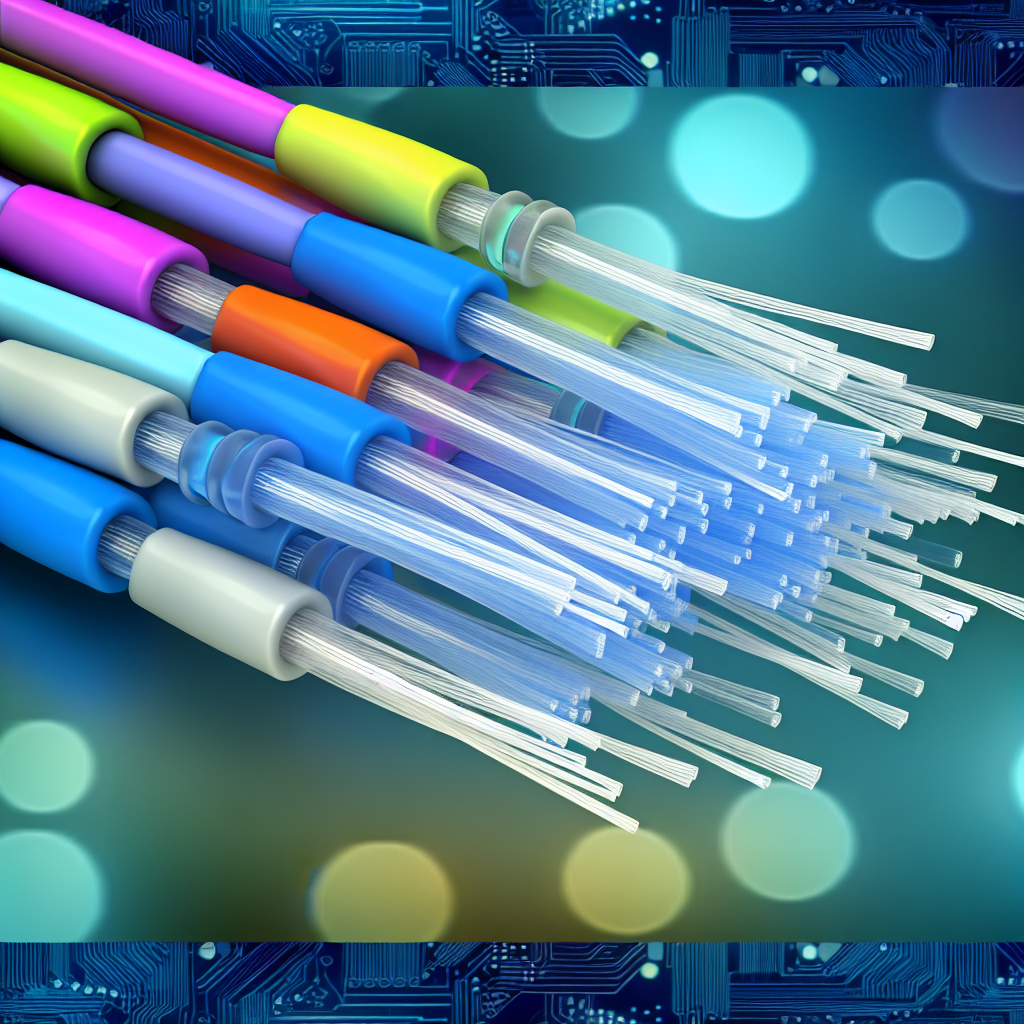
Die digitale Welt ist heute schneller und vernetzter als je zuvor. Eine der Schlüsseltechnologien, die dies ermöglicht, ist das Glasfaser-Kabel. Es ist die Grundlage für schnelle und zuverlässige Netzwerke, die unsere moderne Kommunikation und Datenübertragung ermöglichen.
Ein Glasfaser-Kabel besteht aus einem Bündel von Glasfasern, die Lichtsignale über weite Strecken mit hoher Geschwindigkeit und geringem Signalverlust übertragen können. Im Vergleich zu herkömmlichen Kupferkabeln bieten Glasfaser-Kabel eine Reihe von Vorteilen, darunter höhere Bandbreiten, längere Übertragungsdistanzen und verbesserte Zuverlässigkeit.
Hinweis zu AI-generierten Inhalten: Die Inhalte dieses Blogs werden mithilfe fortschrittlicher künstlicher Intelligenz erstellt. Obwohl wir uns bemühen, Ihnen stets präzise und nützliche Informationen zu bieten, kann es vorkommen, dass Fragen oder Unklarheiten bestehen bleiben. In solchen Fällen stehen Ihnen unsere Experten gerne zur Verfügung. Zögern Sie nicht, uns über die unten aufgeführten Kontaktmöglichkeiten zu erreichen. Unsere Spezialisten sind wahre Kenner ihres Fachs und helfen Ihnen gerne weiter!

Kontaktmöglichkeiten:

Feedback-Formular: Formular Ausfüllen
E-Mail: vertrieb@graef-gruppe.de
Telefon: +493069202294
Wir freuen uns auf Ihre Rückfragen und darauf, Ihnen bei jedem Anliegen behilflich zu sein!
Die Vorteile von Glasfaser-Kabeln
Glasfaser-Kabel bieten eine Reihe von Vorteilen gegenüber herkömmlichen Kupferkabeln:
- Höhere Bandbreite: Glasfaser-Kabel können eine deutlich höhere Datenrate übertragen als Kupferkabel. Dies ermöglicht schnellere und effizientere Netzwerke.
- Längere Übertragungsdistanzen: Glasfaser-Kabel können Daten über weite Strecken ohne signifikanten Signalverlust übertragen. Dies ist besonders nützlich für Unternehmen und Organisationen mit weitläufigen Standorten.
- Verbesserte Zuverlässigkeit: Glasfaser-Kabel sind weniger anfällig für Störungen und Interferenzen, was zu einer verbesserten Netzwerkzuverlässigkeit führt.
Glasfaser-Kabel in der Praxis
Ein gutes Beispiel für die Anwendung von Glasfaser-Kabeln ist das Internet. Die meisten Internet-Service-Provider (ISPs) nutzen Glasfaser-Kabel, um eine schnelle und zuverlässige Internetverbindung zu gewährleisten. Laut einer Studie von Statista aus dem Jahr 2020 nutzen bereits 78% der Haushalte in Deutschland eine Breitbandverbindung, die auf Glasfaser-Technologie basiert.
Ein weiteres Beispiel ist das Datencenter. Große Unternehmen und Organisationen nutzen Glasfaser-Kabel, um ihre Server und Netzwerke zu verbinden. Dies ermöglicht eine schnelle und zuverlässige Datenübertragung, die für den reibungslosen Betrieb dieser Einrichtungen unerlässlich ist.
Zukunft der Glasfaser-Kabel
Die Zukunft der Glasfaser-Kabel sieht vielversprechend aus. Mit der zunehmenden Digitalisierung und dem wachsenden Bedarf an schnellen und zuverlässigen Netzwerken wird die Nachfrage nach Glasfaser-Kabeln voraussichtlich weiter steigen. Laut einer Prognose von Grand View Research wird der globale Markt für Glasfaser-Kabel bis 2027 auf 16,9 Milliarden US-Dollar anwachsen.
Zudem werden laufende Forschungen und Entwicklungen die Leistungsfähigkeit von Glasfaser-Kabeln weiter verbessern. Beispielsweise arbeiten Wissenschaftler an neuen Technologien, um die Datenrate von Glasfaser-Kabeln weiter zu erhöhen und ihre Anwendungsmöglichkeiten zu erweitern.
Glasfaser-Kabel: Die Grundlage für schnelle und zuverlässige Netzwerke
Zusammenfassend lässt sich sagen, dass Glasfaser-Kabel eine entscheidende Rolle bei der Bereitstellung schneller und zuverlässiger Netzwerke spielen. Sie bieten eine Reihe von Vorteilen gegenüber herkömmlichen Kupferkabeln, darunter höhere Bandbreiten, längere Übertragungsdistanzen und verbesserte Zuverlässigkeit. Mit der zunehmenden Digitalisierung und dem wachsenden Bedarf an schnellen und zuverlässigen Netzwerken wird die Bedeutung von Glasfaser-Kabeln in der Zukunft voraussichtlich weiter zunehmen.