
Glasfaser für Kultureinrichtungen: Hochgeschwindigkeitsinternet für Museen und Theater
"Glasfaser für Kultureinrichtungen bietet Museen und Theatern Hochgeschwindigkeitsinternet für optimale digitale Erlebnisse."
Glasfaser für Kultureinrichtungen: Ein Paradigmenwechsel
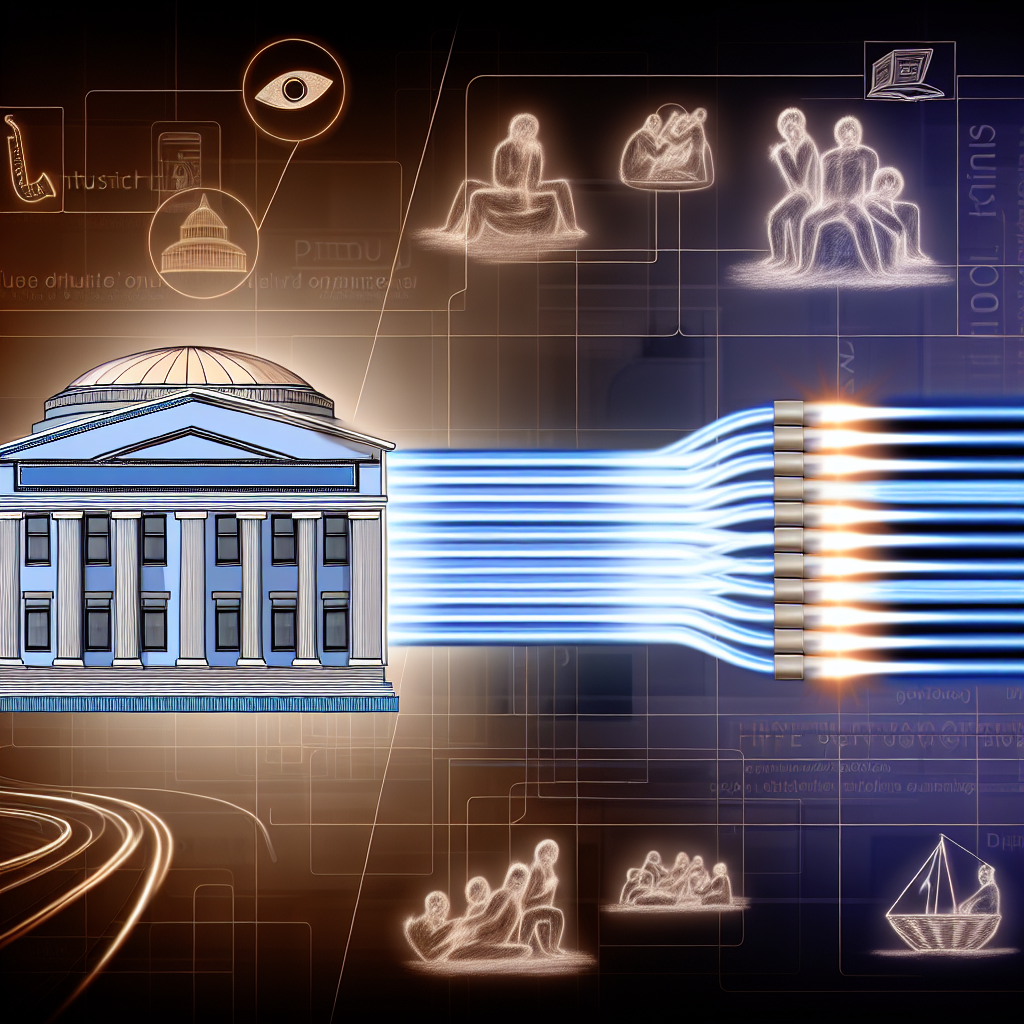
Die Digitalisierung hat die Art und Weise, wie wir Kunst und Kultur erleben, grundlegend verändert. Museen, Theater und andere Kultureinrichtungen stehen vor der Herausforderung, ihre Angebote an die digitale Welt anzupassen. Eine Schlüsselrolle spielt dabei die Glasfasertechnologie. Mit ihrer Hilfe können Kultureinrichtungen Hochgeschwindigkeitsinternet nutzen und so neue, interaktive Erlebnisse für ihre Besucher schaffen.
Hinweis zu AI-generierten Inhalten: Die Inhalte dieses Blogs werden mithilfe fortschrittlicher künstlicher Intelligenz erstellt. Obwohl wir uns bemühen, Ihnen stets präzise und nützliche Informationen zu bieten, kann es vorkommen, dass Fragen oder Unklarheiten bestehen bleiben. In solchen Fällen stehen Ihnen unsere Experten gerne zur Verfügung. Zögern Sie nicht, uns über die unten aufgeführten Kontaktmöglichkeiten zu erreichen. Unsere Spezialisten sind wahre Kenner ihres Fachs und helfen Ihnen gerne weiter!

Kontaktmöglichkeiten:

Feedback-Formular: Formular Ausfüllen
E-Mail: vertrieb@graef-gruppe.de
Telefon: +493069202294
Wir freuen uns auf Ihre Rückfragen und darauf, Ihnen bei jedem Anliegen behilflich zu sein!
Die Vorteile von Glasfaser für Kultureinrichtungen
Glasfaser bietet eine Reihe von Vorteilen gegenüber herkömmlichen Internetverbindungen. Die wichtigsten sind:
- Geschwindigkeit: Glasfaser ermöglicht Datenübertragungsraten, die weit über denen von DSL oder Kabel liegen. Dies ist besonders wichtig für Kultureinrichtungen, die große Datenmengen übertragen müssen, beispielsweise für hochauflösende Videos oder 3D-Modelle.
- Zuverlässigkeit: Glasfaser ist weniger anfällig für Störungen und bietet eine konstante, zuverlässige Verbindung. Dies ist entscheidend für Kultureinrichtungen, die auf eine stabile Internetverbindung angewiesen sind, um ihre digitalen Angebote bereitzustellen.
- Zukunftssicherheit: Glasfaser ist eine zukunftssichere Technologie. Sie bietet genügend Bandbreite, um auch zukünftige Anforderungen zu erfüllen. Dies gibt Kultureinrichtungen die Sicherheit, dass sie auch in Zukunft auf dem neuesten Stand der Technik bleiben können.
Beispiele für den Einsatz von Glasfaser in Kultureinrichtungen
Immer mehr Kultureinrichtungen erkennen die Vorteile von Glasfaser und setzen diese Technologie ein. Ein gutes Beispiel ist das Museum für Naturkunde in Berlin. Es hat eine Glasfaserverbindung eingerichtet, um seine digitalen Angebote zu verbessern. Mit Hilfe der Glasfasertechnologie kann das Museum nun hochauflösende Videos und 3D-Modelle seiner Exponate online zur Verfügung stellen. Dies ermöglicht es den Besuchern, die Ausstellungsstücke in einer bisher nicht möglichen Detailgenauigkeit zu erleben.
Ein weiteres Beispiel ist das Staatstheater Stuttgart. Es nutzt Glasfaser, um seine Aufführungen in Echtzeit zu streamen. Dies ermöglicht es dem Theater, ein breiteres Publikum zu erreichen und neue Formate wie interaktive Aufführungen zu erproben.
Die Herausforderungen bei der Einführung von Glasfaser in Kultureinrichtungen
Trotz der vielen Vorteile gibt es auch Herausforderungen bei der Einführung von Glasfaser in Kultureinrichtungen. Eine der größten ist die Kostenfrage. Die Installation einer Glasfaserverbindung kann teuer sein, insbesondere für kleinere Einrichtungen mit begrenztem Budget. Zudem erfordert die Nutzung der Glasfasertechnologie technisches Know-how, das nicht immer vorhanden ist.
Es gibt jedoch Förderprogramme und Initiativen, die Kultureinrichtungen bei der Einführung von Glasfaser unterstützen. Ein Beispiel ist das Programm „Kultur Digital“ des Bundesministeriums für Kultur und Medien. Es fördert Projekte, die die Digitalisierung in der Kultur vorantreiben, einschließlich der Einführung von Glasfaser.
Glasfaser Kultureinrichtungen: Der Weg in die Zukunft
Glasfaser für Kultureinrichtungen ist mehr als nur eine technische Lösung. Es ist ein Werkzeug, das es Museen, Theatern und anderen Kultureinrichtungen ermöglicht, ihre Angebote zu erweitern, neue Formate zu erproben und ein breiteres Publikum zu erreichen. Trotz der Herausforderungen ist es daher wichtig, dass Kultureinrichtungen die Möglichkeiten der Glasfasertechnologie erkennen und nutzen. Denn nur so können sie in der digitalen Welt bestehen und ihre Rolle als Orte des kulturellen Austauschs und der Bildung weiterhin erfüllen.