
Fire alarm: Maximum protection with fire alarm technology

A fire alarm can make the difference between a tragedy and a successful rescue attempt. In a world where safety is paramount, fire alarm technology has become indispensable. A fire alarm is not just a loud sound that warns of flames, but a complex system that saves lives. Devastating fires in the past have shown that prevention and rapid response are crucial. State-of-the-art technologies ensure that these protective measures are becoming increasingly effective. This article looks at the importance of fire alarms and how the latest fire detection technology offers maximum protection.
Note on AI-generated content: The content of this blog is created with the help of advanced artificial intelligence. Although we strive to always provide you with accurate and useful information, questions or ambiguities may remain. In such cases, our experts will be happy to help you. Please do not hesitate to contact us using the details below. Our specialists are true experts in their field and will be happy to help you!

Contact options:

 Feedback form: Fill out the form
Email: vertrieb@graef-gruppe.de
Phone: +493069202294
We look forward to your queries and to helping you with any concerns you may have!
How does a fire alarm work?
Components of an efficient system
An effective fire alarm consists of several components that work together to ensure optimum protection. These components include:
- Smoke detectors that detect smoke particles in the air.
- Heat detectors that detect sudden rises in temperature.
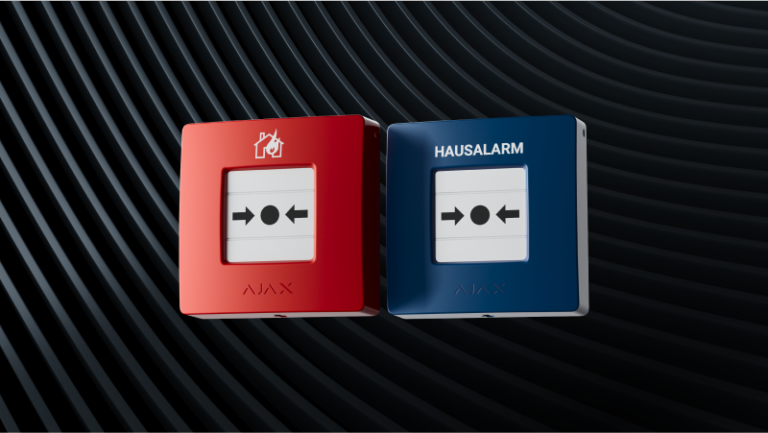
- Manual alarm devices for direct alarms in emergency situations.
- Alarm sirens that send loud signals to warn people.
All these elements communicate via a central control panel, which triggers the alarm and informs the emergency services at the same time. The use of networked systems can drastically reduce response times and thus save lives.
Advantages of modern fire alarm technology
Reliability and efficiency
Modern fire alarm systems are more reliable than ever. They are designed to minimize false alarms while providing accurate information about the location of a fire. An impressive example is the early fire alarm system at Berlin Airport, which detected a fire before it could spread. This prevented major damage and accidents.
Technological advances
Through the use of artificial intelligence (AI), fire alarms can now recognize patterns that indicate a fire even before it starts. Systems connected to IoT (Internet of Things) technologies enable continuous monitoring and alerting in real time via mobile devices.
Practical applications and case studies
Commercial use
In large warehouses or office buildings, an effective fire alarm is crucial. One case study is a logistics center in Munich, which was able to identify a potential fire in seconds by using state-of-the-art smoke and heat detectors, enabling rapid evacuation and firefighting.
Statistical evidence
Statistics show that buildings with modern fire alarm systems are 50% less likely to fall victim to a major fire. The continuous improvement and upgrading of these systems has led to a significant reduction in the number of fire victims.
Overall, it is clear that a modern fire alarm is essential for security in residential and commercial buildings. The use of advanced technologies significantly reduces the response time, which is crucial for maximum protection. The combination of prevention, rapid alerting and effective firefighting technology makes these systems an essential part of modern security concepts.