
Feuer Alarm planen: Schutz für Menschen & Gebäude

Ein effektiver Feueralarm ist entscheidend für den Schutz von Menschen und Gebäuden. Jedes Jahr entstehen durch Brände erhebliche Schäden, die nicht nur wirtschaftliche Verluste, sondern auch Gefährdungen für die Gesundheit und Sicherheit der Menschen bedeuten. Es ist daher von entscheidender Bedeutung, einen gut durchdachten Plan zur Implementierung und Wartung von Feueralarmen zu haben. Der folgende Artikel bietet wertvolle Informationen und praxisnahe Tipps, um den bestmöglichen Schutz zu gewährleisten.
Hinweis zu AI-generierten Inhalten: Die Inhalte dieses Blogs werden mithilfe fortschrittlicher künstlicher Intelligenz erstellt. Obwohl wir uns bemühen, Ihnen stets präzise und nützliche Informationen zu bieten, kann es vorkommen, dass Fragen oder Unklarheiten bestehen bleiben. In solchen Fällen stehen Ihnen unsere Experten gerne zur Verfügung. Zögern Sie nicht, uns über die unten aufgeführten Kontaktmöglichkeiten zu erreichen. Unsere Spezialisten sind wahre Kenner ihres Fachs und helfen Ihnen gerne weiter!

Kontaktmöglichkeiten:

Feedback-Formular: Formular Ausfüllen
E-Mail: vertrieb@graef-gruppe.de
Telefon: +493069202294
Wir freuen uns auf Ihre Rückfragen und darauf, Ihnen bei jedem Anliegen behilflich zu sein!
Warum ein Feueralarm essenziell ist
Feueralarme spielen eine entscheidende Rolle in der Früherkennung von Bränden und ermöglichen so eine zeitgerechte Evakuierung. Statistiken zeigen, dass die Wahrscheinlichkeit, einen Brand unbeschadet zu überstehen, um bis zu 50% steigt, wenn in Wohn- oder Geschäftsgebäuden funktionierende Rauchdetektoren installiert sind.
Elemente eines effektiven Feueralarmsystems
Ein umfassendes Feueralarmsystem besteht typischerweise aus verschiedenen Komponenten, die zusammenarbeiten, um maximale Sicherheit zu gewährleisten.
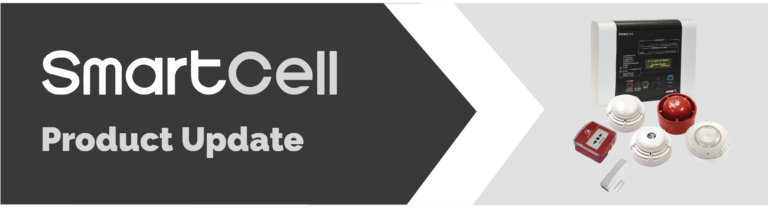
- Rauchdetektoren: Diese Geräte sind darauf ausgelegt, eine Rauchentwicklung frühzeitig zu erkennen und Alarm zu schlagen.
- Wärmemelder: Diese reagieren auf hohe Temperaturen und sind besonders in Lagerräumen nützlich.
- Manuelle Alarmierungseinrichtungen: Diese ermöglichen es Personen, im Notfall selbst den Alarm auszulösen.
- Zentrale Steuerung: Steuert alle Detektoren und Alarmgeber und aktiviert im Notfall die richtigen Maßnahmen.
Planung und Installation
Bei der Planung eines Feueralarmsystems sollten folgende Punkte berücksichtigt werden:
- Eine Risikobewertung des Gebäudes, um potenzielle Gefahrenzonen zu identifizieren.
- Die Auswahl der richtigen Detektortypen und ihre strategische Platzierung.
- Die Integration mit anderen Sicherheitssystemen, wie z.B. Sprinkleranlagen.
Ein Beispiel aus der Praxis ist ein großes Logistikzentrum, das durch die Kombination von Rauch- und Wärmemeldern sowie regelmäßigen Tests die Schadenssumme durch Brände um 70% reduzieren konnte.
Wartung und regelmäßige Tests
Regelmäßige Tests und Wartungen sind unverzichtbar, um die Funktionalität des Feueralarms zu gewährleisten. Mindestens alle sechs Monate sollten Fachleute das System überprüfen. Statistische Erhebungen weisen darauf hin, dass ein Drittel aller Meldesysteme aufgrund mangelnder Wartung ausfallen.
Wichtige gesetzliche Regelungen
In Deutschland gibt es strenge Vorschriften bezüglich der Installation von Feueralarmen. Diese sind meist in der Landesbauordnung verankert. Es ist wichtig, sich über spezifische Anforderungen in Ihrem Bundesland zu informieren, um rechtliche Konsequenzen zu vermeiden.
Die Planung und regelmäßige Wartung eines Feueralarmsystems sind entscheidend für den Schutz von Menschen und Gebäuden. Indem Risiken identifiziert und entsprechende Maßnahmen ergriffen werden, kann nicht nur die Sicherheit erhöht, sondern auch potenzielle Schäden minimiert werden. Durch Einhaltung der gesetzlichen Vorgaben und regelmäßige Schulungen der Bewohner und Mitarbeiter kann ein sicheres Umfeld geschaffen werden.