

False fire alarms: causes, risks and prevention strategies
Find out more about the causes and risks of a false fire alarm and discover effective prevention strategies.
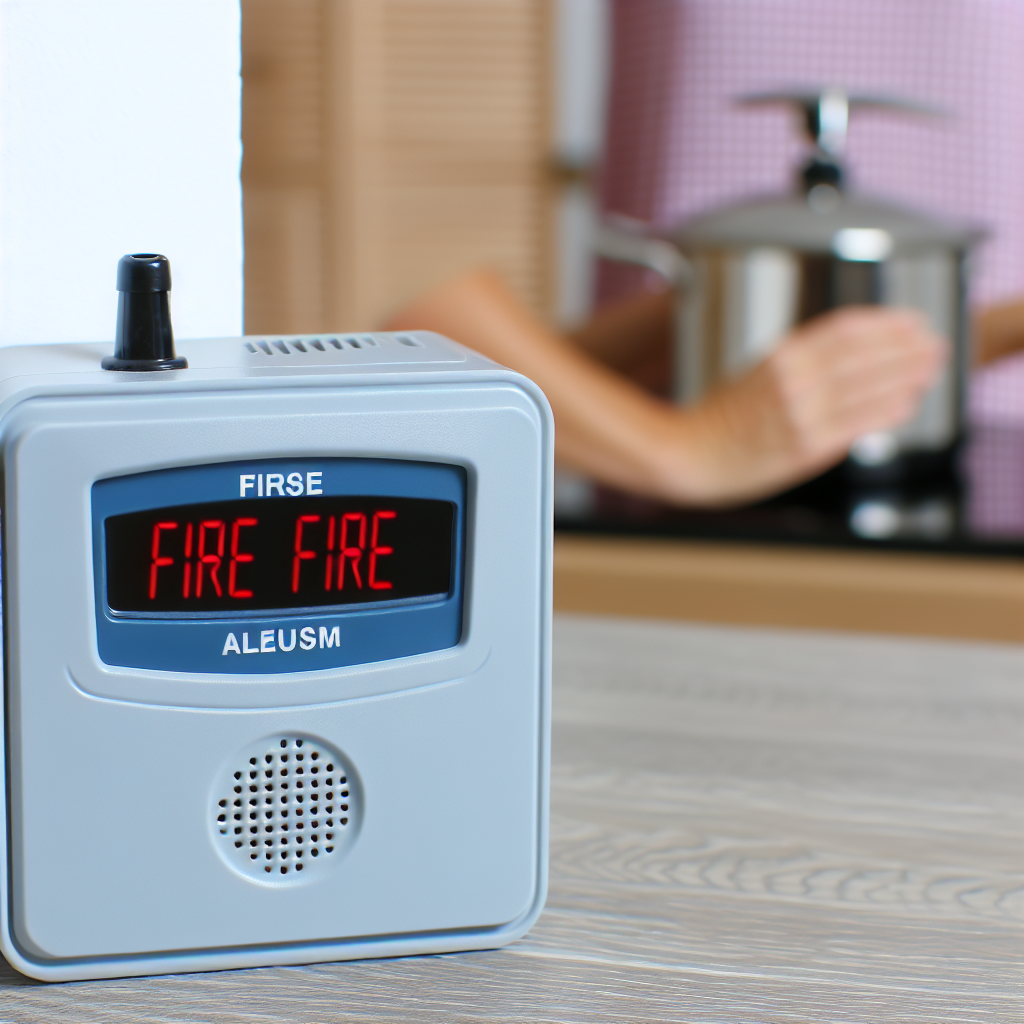
False fire alarms are a problem that occurs in both private and public facilities. It can lead to unnecessary panic reactions, waste precious resources and, in the worst cases, even endanger human lives. In this article, we will discuss the causes, risks and prevention strategies for false fire alarms.
Note on AI-generated content: The content of this blog is created with the help of advanced artificial intelligence. Although we strive to always provide you with accurate and useful information, questions or ambiguities may remain. In such cases, our experts will be happy to help you. Please do not hesitate to contact us using the details below. Our specialists are true experts in their field and will be happy to help you!

Contact options:

 Feedback form: Fill out the form
Email: vertrieb@graef-gruppe.de
Phone: +493069202294
We look forward to your queries and to helping you with any concerns you may have!
Causes of false fire alarms
There are many reasons why a false fire alarm can be triggered. Some of the most common causes are
- Malfunction of the alarm system: This can occur due to technical problems, poor maintenance or even ageing of the devices.
- False alarms by users: This can happen if someone accidentally triggers the alarm or if someone deliberately triggers a false alarm.
- Environmental influences: Smoke, dust, steam and even insects can trigger a fire alarm.
Risks of false fire alarms
False fire alarms can cause a number of risks and problems. Some of the most important are:
- Unnecessary panic and fear: False fire alarms can put people in unnecessary fear and panic, which can lead to injury or even death.
- Waste of resources: False fire alarms can cause firefighters and other emergency responders to waste their time and resources instead of focusing on real emergencies.
- Damage to confidence: If there are too many false fire alarms, people may start to ignore the alarm system, which can have disastrous consequences if a real fire breaks out.
Prevention strategies against false fire alarms
There are several strategies that can help reduce the number of false fire alarms. Here are some of them:
- Regular maintenance and inspection of alarm systems: This can help to identify and rectify technical problems before they lead to false alarms.
- Training and education: People should be educated on how to operate alarm systems correctly and what they should do if the alarm is triggered.
- Use of advanced alarm systems: Modern alarm systems can better distinguish between real smoke and other particles, which can reduce the number of false alarms.
False fire alarm: a comprehensive approach to prevention
The prevention of false fire alarms requires a comprehensive approach that takes into account both technical and human aspects. It is important that both the alarm systems and the people who operate them are well prepared and trained.
Regular maintenance and inspection of alarm systems is an important first step. But training and educating the people who operate these systems is also crucial. They should know how to operate the alarm systems correctly and what they should do if the alarm is triggered.
The use of advanced alarm systems can also help to reduce the number of false alarms. These systems can better distinguish between real smoke and other particles, which can reduce the number of false alarms.
Ultimately, it is important that we all understand our role in preventing false fire alarms and actively work to reduce them. Only then can we ensure that our alarm systems are effective and can protect us in the event of a real fire.