
Electronic access control: pure security & convenience
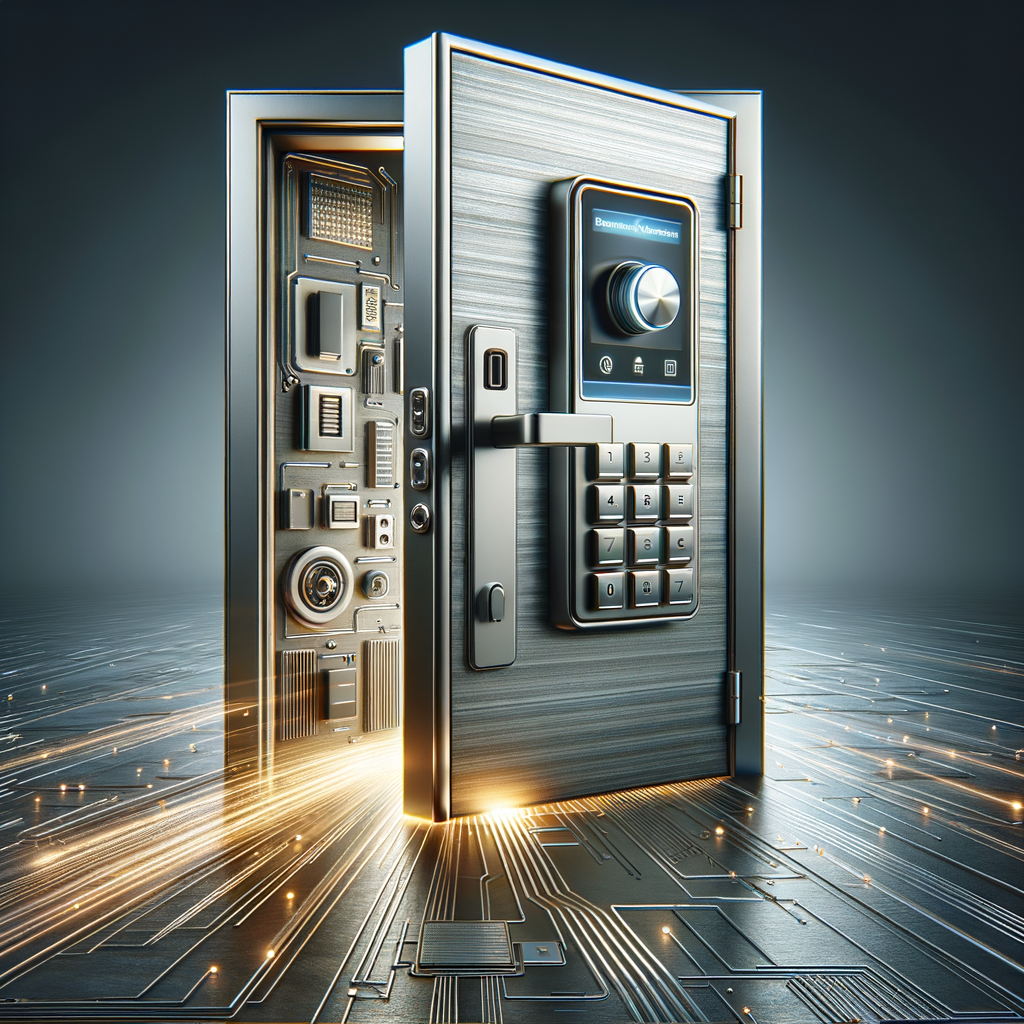
In today's digital world, modern technologies play a crucial role in ensuring security and convenience. Electronic access control is at the forefront of this and offers numerous benefits to companies, institutions and private households. These innovative systems allow precise and flexible control over access to buildings and specific areas, increasing security while offering maximum convenience. But what makes these systems so effective and indispensable in today's world?
Note on AI-generated content: The content of this blog is created with the help of advanced artificial intelligence. Although we strive to always provide you with accurate and useful information, questions or ambiguities may remain. In such cases, our experts will be happy to help you. Please do not hesitate to contact us using the details below. Our specialists are true experts in their field and will be happy to help you!

Contact options:

 Feedback form: Fill out the form
Email: vertrieb@graef-gruppe.de
Phone: +493069202294
We look forward to your queries and to helping you with any concerns you may have!
Why electronic access control?
Traditional security systems, such as mechanical locks, have their weak points, be it through the loss of keys or their possible duplication. Electronic access control systems provide a solution here. These systems offer numerous advantages:
- Security: The use of encrypted authentication mechanisms makes unauthorized access virtually impossible.
- Flexibility: Adjustments to access authorizations can be made in real time and without physical presence.
- Convenience: No more searching for the right key - access is often only possible using cards, smartphones or biometric data.
Electronic access control technologies
Various technologies characterize the field of electronic access control. Each offers specific solutions for different requirements:
- RFID cards: These contactless cards are widely used and offer a cost-effective solution for many companies.
- Biometric systems: Fingerprints, facial recognition and iris scanners offer the highest levels of security through the use of unique personal characteristics.
- Smartphone-based solutions: With the integration of mobile apps, the smartphone itself becomes a key card, which is particularly flexible and user-friendly.
Practical applications and case studies
The use of electronic access control systems is showing impressive results in various industries. For example, in one case study, a large company was able to reduce security incidents by 40% by implementing an RFID-based system. At the same time, administrative costs were significantly reduced.
Another example is a hospital that introduced a biometric system to ensure that only authorized medical personnel have access to sensitive areas. This not only led to increased security, but also to improved efficiency in the workflow.
Future prospects for access control
Electronic access control is a dynamic sector with rapid development. Future trends show the integration of artificial intelligence to predict security incidents and the increased connection to smart home technologies. This will not only further increase security, but also further improve the user experience.
Electronic access control systems are indispensable in today's security landscape. They offer a solution that is both secure and user-friendly. From smart RFID cards to advanced biometric systems, the variety of options available meets a wide range of security requirements. The increasing integration of advanced technologies will continue to drive the effectiveness and convenience of such systems. Taken together, they offer an invaluable tool to meet the demands of the modern world.