
Elektronische Zutrittskontrolle: Intelligente Sicherheitssysteme
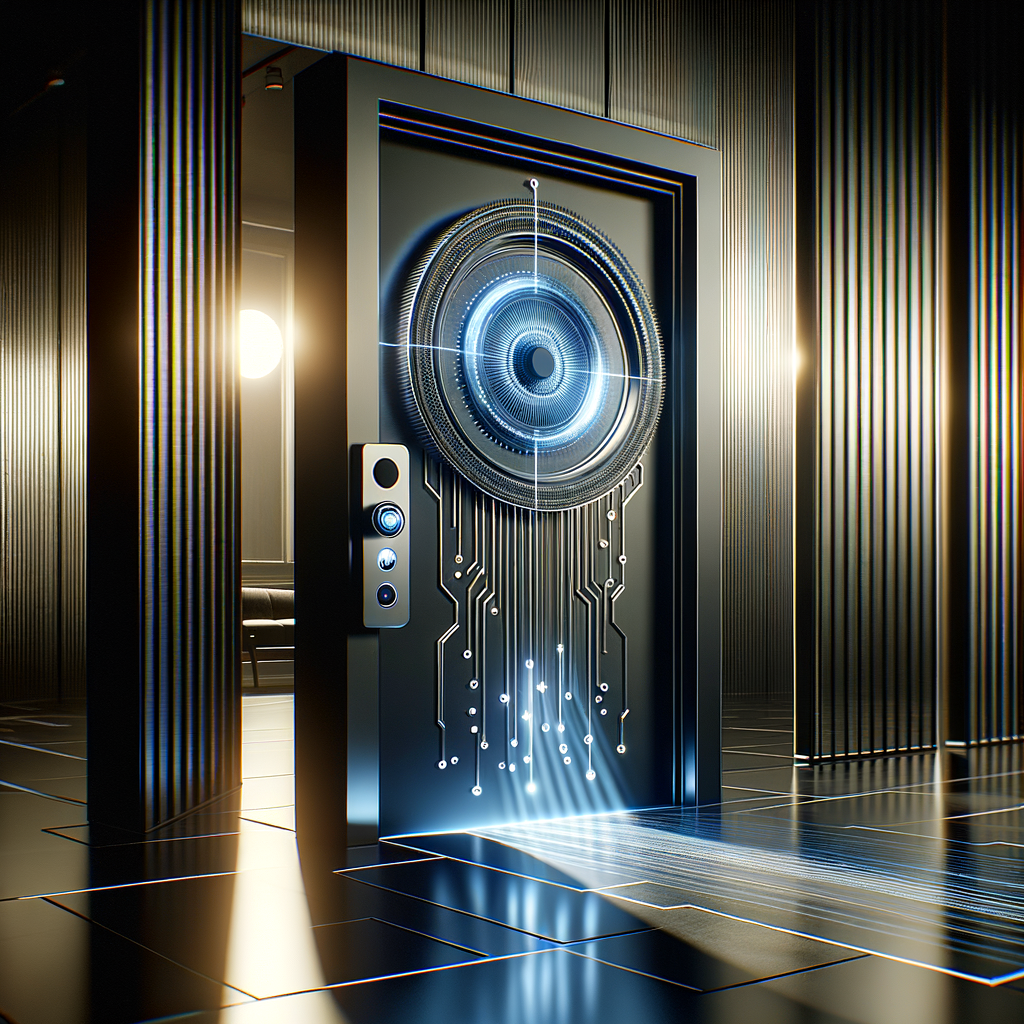
In einer zunehmend digitalisierten Welt spielen elektronische Sicherheitssysteme eine entscheidende Rolle beim Schutz von Gebäuden und sensiblen Bereichen. Elektronische Zutrittskontrolle ist ein intelligentes Sicherheitssystem, das Unternehmen und Privatpersonen die Möglichkeit bietet, den Zugang zu bestimmten Bereichen effektiver und sicherer zu verwalten. Diese fortschrittlichen Systeme erhöhen nicht nur die Sicherheit, sondern bieten auch Flexibilität und Komfort. Durch den Einsatz modernster Technologie können Menschenströme kontrolliert und potenzielle Bedrohungen frühzeitig erkannt werden.
Hinweis zu AI-generierten Inhalten: Die Inhalte dieses Blogs werden mithilfe fortschrittlicher künstlicher Intelligenz erstellt. Obwohl wir uns bemühen, Ihnen stets präzise und nützliche Informationen zu bieten, kann es vorkommen, dass Fragen oder Unklarheiten bestehen bleiben. In solchen Fällen stehen Ihnen unsere Experten gerne zur Verfügung. Zögern Sie nicht, uns über die unten aufgeführten Kontaktmöglichkeiten zu erreichen. Unsere Spezialisten sind wahre Kenner ihres Fachs und helfen Ihnen gerne weiter!

Kontaktmöglichkeiten:

Feedback-Formular: Formular Ausfüllen
E-Mail: vertrieb@graef-gruppe.de
Telefon: +493069202294
Wir freuen uns auf Ihre Rückfragen und darauf, Ihnen bei jedem Anliegen behilflich zu sein!
Vorteile der elektronischen Zutrittskontrolle
Sicherheit und Kontrolle
Elektronische Zutrittskontrollsysteme ermöglichen eine präzise Überwachung, wer wann und wo Zugang erhält. Dies reduziert das Risiko von unerlaubtem Zutritt und erhöht die allgemeine Sicherheit. Die Möglichkeit, detaillierte Protokolle einzusehen, bietet zusätzliche Sicherheit, da jede Bewegung dokumentiert wird.
- Zugriffsprotokolle zur Nachverfolgung von Aktivitäten
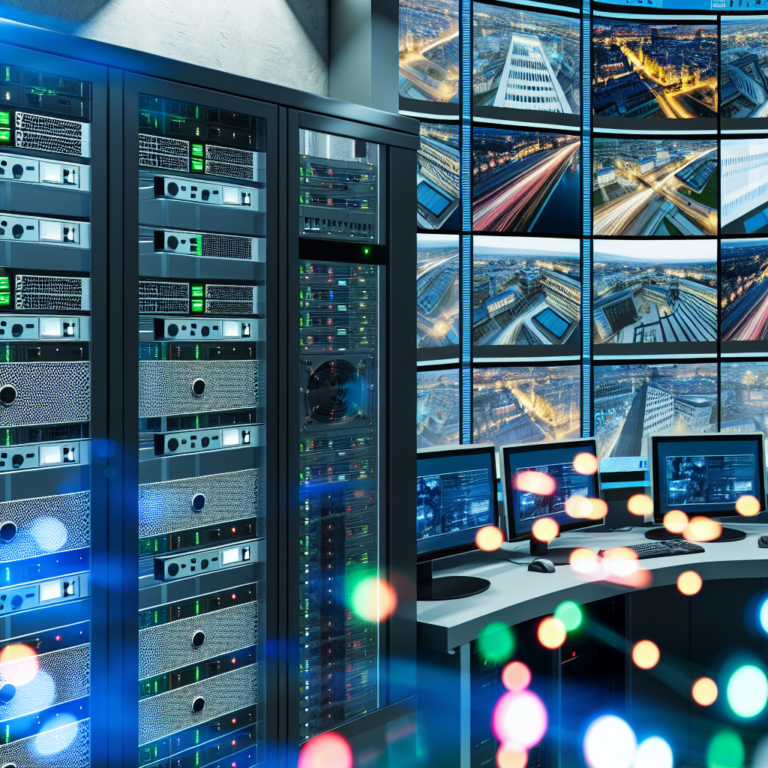
- Integration mit Überwachungskameras zur erweiterten Sicherheit
- Individuelle Zutrittsrechte für verschiedene Benutzergruppen
Flexibilität und Benutzerfreundlichkeit
Ein wesentlicher Vorteil elektronischer Zutrittskontrollen ist ihre Anpassungsfähigkeit an die Bedürfnisse der Nutzer. Zugang kann über verschiedene Methoden wie Karten, Codes oder biometrische Daten gewährt werden. Dies bietet Flexibilität und eliminiert die Notwendigkeit, eine Vielzahl von Schlüsseln zu verwalten.
- Kartensysteme für einfache Handhabung
- Biometrische Erkennung für erhöhte Sicherheit
- Zeitlich begrenzter Zugang für temporäre Mitarbeiter
Technologische Entwicklungen
Erweiterte Sicherheitsfunktionen
Moderne elektronische Zutrittskontrollsysteme beinhalten fortschrittliche Technologien wie künstliche Intelligenz und Internet der Dinge (IoT), um die Sicherheitsmaßnahmen weiter zu verstärken. Diese Technologien ermöglichen es, Muster im Zutrittsverhalten zu erkennen und bei abweichenden Mustern Alarme auszulösen.
Ein Beispiel ist ein Bürogebäude, das mithilfe von IoT-Geräten den Energieverbrauch optimiert, indem es das Beleuchtungssystem basierend auf Personenströmen steuert. Diese Integration verbessert nicht nur die Sicherheit, sondern trägt auch zur Energieeffizienz bei.
Fallstudien zur Effektivität
Branchenstudien zeigen, dass Unternehmen, die elektronische Zutrittskontrollen implementieren, eine signifikante Reduzierung von Sicherheitsvorfällen erleben. Laut einer Studie der IFSEC Global berichten 73 % der Unternehmen von einer verbesserten Sicherheit nach der Einführung elektronischer Zutrittskontrolllösungen.
Implementierung und Wartung
Planung und Umsetzung
Der erfolgreiche Einsatz von elektronischen Zutrittskontrollen beginnt mit einer gründlichen Planung. Es ist wichtig, die spezifischen Bedürfnisse des Standortes zu analysieren und die passenden Technologien auszuwählen. Dabei sollten auch zukünftige Erweiterungen berücksichtigt werden, um zusätzliche Kosten zu vermeiden.
- Anpassung an bestehende Sicherheitssysteme
- Schulung des Personals für den effektiven Einsatz
- Regelmäßige Überprüfungen und Updates zur Systemoptimierung
Zusammenfassend kann gesagt werden, dass elektronische Zutrittskontrollsysteme eine ideale Lösung bieten, um Sicherheit, Flexibilität und Effizienz in modernen Gebäuden zu gewährleisten. Durch technologische Innovationen und strategische Implementierung können Sicherheit und Komfort nachhaltig verbessert werden. Anpassungsfähigkeit und fortlaufende Wartung sind hierbei entscheidende Faktoren für den langfristigen Erfolg.