
Einsatz von Videoüberwachung an Schulen – Sicherheit und Datenschutz im Gleichgewicht
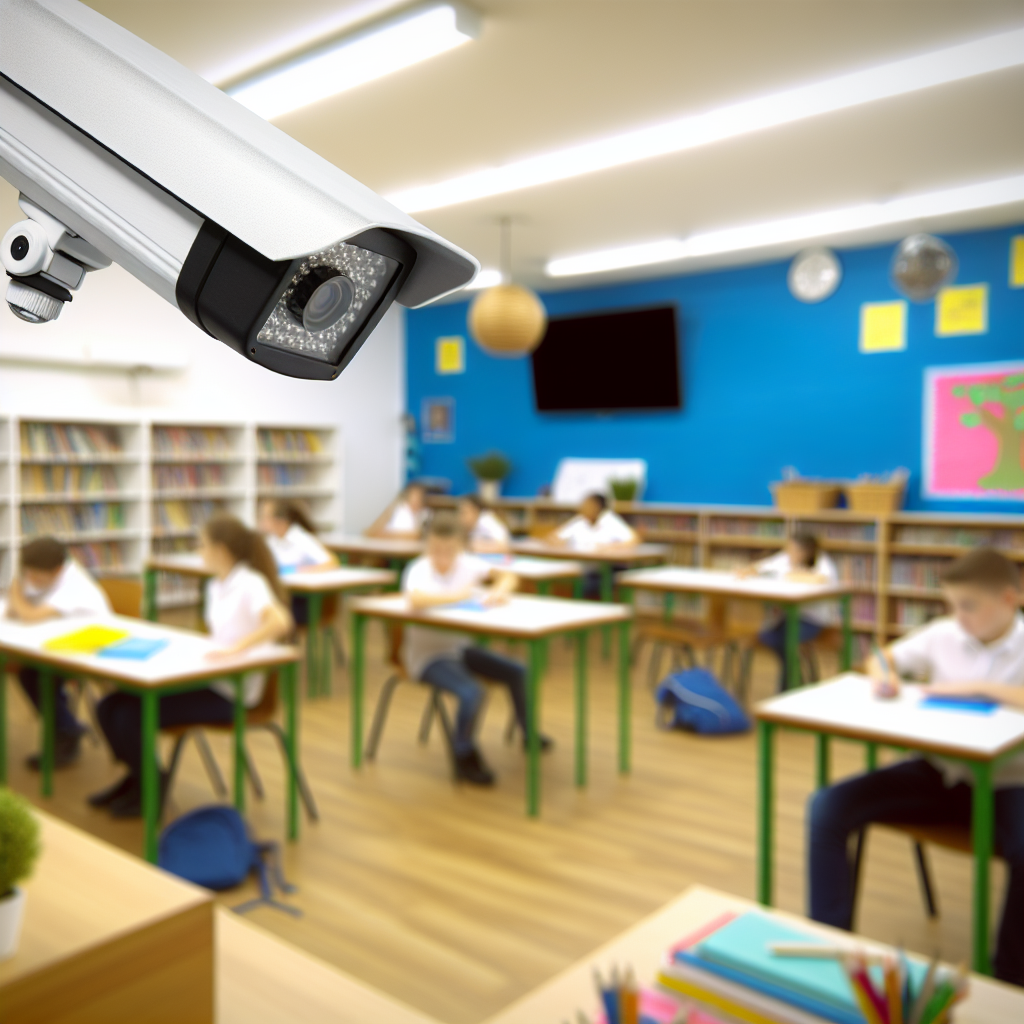
Die Videoüberwachung an Schulen ist ein kontroverses Thema, das sowohl Sicherheits- als auch Datenschutzbedenken aufwirft. Während einige argumentieren, dass die Videoüberwachung zur Verbesserung der Sicherheit und zur Verhinderung von Vandalismus und Gewalt beiträgt, sind andere besorgt über die potenziellen Auswirkungen auf die Privatsphäre der Schüler. In diesem Artikel werden wir die Vor- und Nachteile der Videoüberwachung an Schulen diskutieren und wie ein Gleichgewicht zwischen Sicherheit und Datenschutz erreicht werden kann.
Die Vorteile der Videoüberwachung an Schulen
Es gibt mehrere Gründe, warum Schulen sich für die Installation von Überwachungskameras entscheiden könnten. Einige der häufigsten Vorteile sind:
- Sicherheit: Videoüberwachung kann dazu beitragen, die Sicherheit auf dem Schulgelände zu erhöhen, indem sie abschreckend auf potenzielle Straftäter wirkt und es ermöglicht, verdächtige Aktivitäten zu überwachen.
- Vandalismus und Gewaltprävention: Überwachungskameras können dazu beitragen, Vandalismus und Gewalt in Schulen zu verhindern, indem sie abschreckend wirken und Beweise für solche Vorfälle liefern.
- Verantwortlichkeit: Videoaufnahmen können dazu beitragen, die Verantwortlichkeit von Schülern, Lehrern und anderen Mitarbeitern zu erhöhen.
Die Bedenken hinsichtlich des Datenschutzes
Trotz der potenziellen Vorteile gibt es auch Bedenken hinsichtlich des Datenschutzes bei der Videoüberwachung an Schulen. Einige der häufigsten Bedenken sind:
- Privatsphäre: Es gibt Bedenken, dass die Videoüberwachung die Privatsphäre der Schüler verletzen könnte, insbesondere wenn die Kameras in sensiblen Bereichen wie Toiletten oder Umkleideräumen installiert sind.
- Datensicherheit: Es gibt auch Bedenken hinsichtlich der Sicherheit der aufgezeichneten Daten und der Möglichkeit, dass diese Daten gehackt oder missbraucht werden könnten.
- Überwachungskultur: Einige Kritiker argumentieren, dass die Videoüberwachung an Schulen zu einer Überwachungskultur beiträgt, in der Schüler ständig beobachtet und kontrolliert werden.
Sicherheit und Datenschutz im Gleichgewicht
Angesichts dieser Bedenken ist es wichtig, ein Gleichgewicht zwischen Sicherheit und Datenschutz zu finden. Hier sind einige Möglichkeiten, wie dies erreicht werden kann:
- Transparente Politik: Schulen sollten klare Richtlinien für die Verwendung von Überwachungskameras haben, die den Schülern, Eltern und Mitarbeitern mitgeteilt werden. Diese Richtlinien sollten angeben, wo die Kameras platziert sind, wie die Daten verwendet und gespeichert werden und wer Zugang zu den Aufnahmen hat.
- Einhaltung der Datenschutzgesetze: Schulen müssen sicherstellen, dass sie die geltenden Datenschutzgesetze einhalten, einschließlich der EU-Datenschutz-Grundverordnung (DSGVO).
- Beschränkte Verwendung: Die Verwendung von Überwachungskameras sollte auf Bereiche beschränkt sein, in denen ein legitimes Sicherheitsinteresse besteht, und sie sollten nicht in Bereichen installiert werden, in denen die Schüler eine vernünftige Erwartung an Privatsphäre haben.
Die Videoüberwachung an Schulen ist ein komplexes Thema, das sorgfältig abgewogen werden muss. Während die Sicherheit der Schüler von größter Bedeutung ist, ist es auch wichtig, ihre Privatsphäre und ihre Rechte zu respektieren. Durch eine transparente Politik, die Einhaltung der Datenschutzgesetze und eine beschränkte Verwendung von Überwachungskameras kann ein Gleichgewicht zwischen diesen beiden Zielen erreicht werden.