
DSGVO & Videoüberwachung: Was ist erlaubt und was nicht?
"Verstehen Sie die DSGVO-Regeln für Videoüberwachung. Erfahren Sie, was erlaubt ist und was nicht, um Datenschutzverletzungen zu vermeiden."
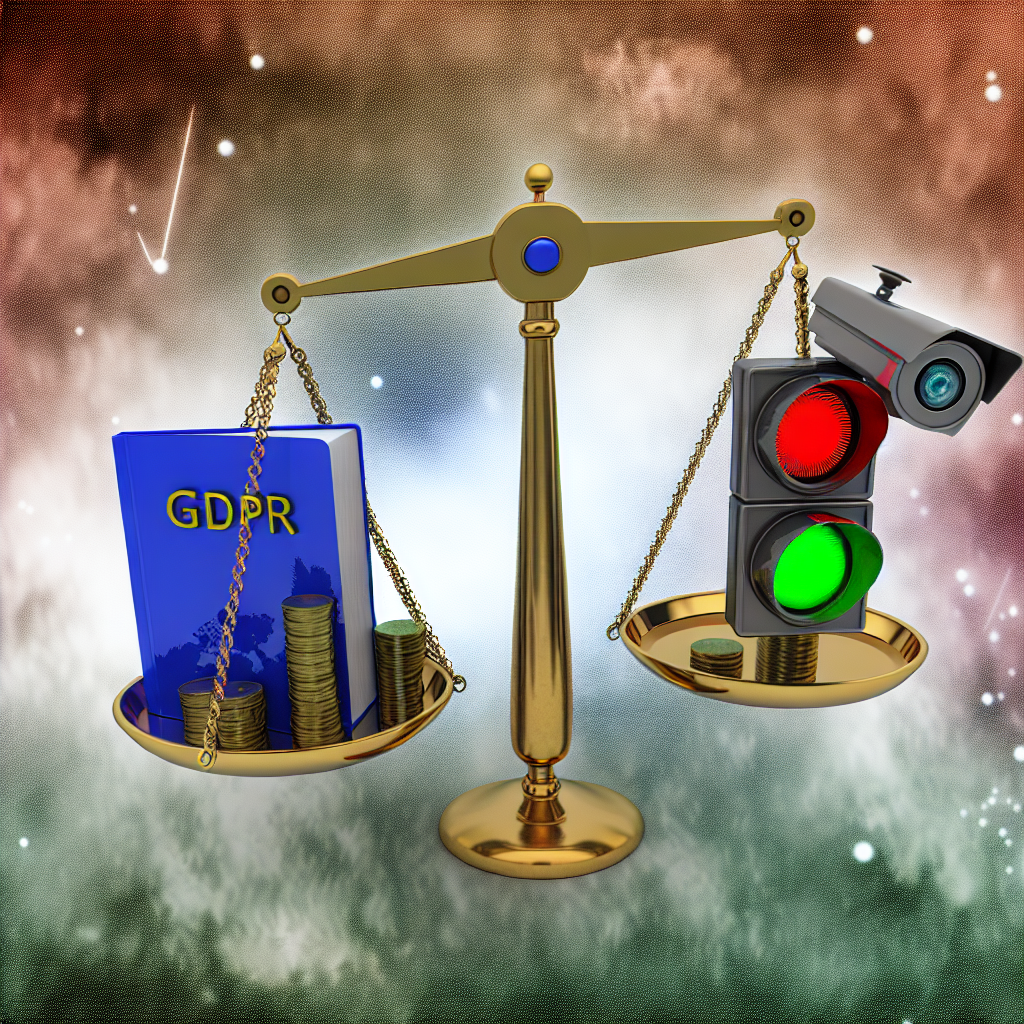
Die Datenschutz-Grundverordnung (DSGVO) hat die Art und Weise, wie Unternehmen und Organisationen personenbezogene Daten verarbeiten und schützen, grundlegend verändert. Ein Bereich, der von der DSGVO stark betroffen ist, ist die Videoüberwachung. In diesem Artikel werden wir uns mit den Regeln und Vorschriften der DSGVO in Bezug auf die Videoüberwachung befassen und klären, was erlaubt ist und was nicht.
DSGVO und Videoüberwachung: Ein Überblick
Die DSGVO legt strenge Anforderungen an die Verarbeitung personenbezogener Daten fest, und dazu gehören auch Bilder, die durch Videoüberwachung aufgenommen werden. Unternehmen und Organisationen müssen sicherstellen, dass ihre Videoüberwachungspraktiken den Vorschriften der DSGVO entsprechen, um hohe Geldstrafen zu vermeiden.
Hinweis zu AI-generierten Inhalten: Die Inhalte dieses Blogs werden mithilfe fortschrittlicher künstlicher Intelligenz erstellt. Obwohl wir uns bemühen, Ihnen stets präzise und nützliche Informationen zu bieten, kann es vorkommen, dass Fragen oder Unklarheiten bestehen bleiben. In solchen Fällen stehen Ihnen unsere Experten gerne zur Verfügung. Zögern Sie nicht, uns über die unten aufgeführten Kontaktmöglichkeiten zu erreichen. Unsere Spezialisten sind wahre Kenner ihres Fachs und helfen Ihnen gerne weiter!

Kontaktmöglichkeiten:

Feedback-Formular: Formular Ausfüllen
E-Mail: vertrieb@graef-gruppe.de
Telefon: +493069202294
Wir freuen uns auf Ihre Rückfragen und darauf, Ihnen bei jedem Anliegen behilflich zu sein!
Unter der DSGVO ist die Videoüberwachung grundsätzlich erlaubt, solange sie den Grundsätzen der DSGVO entspricht. Dazu gehören:
- Rechtmäßigkeit, Fairness und Transparenz: Die Videoüberwachung muss auf einer rechtmäßigen Grundlage durchgeführt werden, fair sein und die betroffenen Personen müssen darüber informiert werden.
- Zweckbindung: Die Videoüberwachung muss für einen spezifischen, ausdrücklichen und legitimen Zweck durchgeführt werden.
- Datensparsamkeit: Es dürfen nur so viele Daten wie nötig erfasst werden.
Was ist nicht erlaubt?
Die DSGVO verbietet bestimmte Praktiken im Zusammenhang mit der Videoüberwachung. Dazu gehören:
- Übermäßige Überwachung: Die Videoüberwachung darf nicht übermäßig oder unnötig invasiv sein.
- Verletzung der Privatsphäre: Die Videoüberwachung darf nicht in Bereichen durchgeführt werden, in denen die betroffenen Personen eine hohe Erwartung an die Privatsphäre haben, wie z.B. in Umkleidekabinen oder Toiletten.
- Verwendung der Daten für andere Zwecke: Die durch Videoüberwachung erfassten Daten dürfen nicht für andere Zwecke verwendet werden, als für die sie ursprünglich erfasst wurden.
Fallstudie: DSGVO und Videoüberwachung in der Praxis
Ein Beispiel für die Anwendung der DSGVO auf die Videoüberwachung ist der Fall eines deutschen Supermarkts, der im Jahr 2019 eine Geldstrafe von 10.000 Euro für die Verletzung der DSGVO erhielt. Der Supermarkt hatte Kameras installiert, um Diebstähle zu verhindern, hatte aber auch Mitarbeiter und Kunden aufgenommen, ohne sie ausreichend darüber zu informieren. Dies wurde als Verstoß gegen die Grundsätze der Rechtmäßigkeit, Fairness und Transparenz der DSGVO angesehen.
Schlussfolgerung: DSGVO und Videoüberwachung
Die DSGVO hat die Regeln für die Videoüberwachung verschärft und Unternehmen und Organisationen müssen sicherstellen, dass ihre Praktiken den Vorschriften entsprechen. Dies bedeutet, dass sie sicherstellen müssen, dass ihre Videoüberwachung rechtmäßig, fair und transparent ist, dass sie für einen spezifischen Zweck durchgeführt wird und dass sie nicht übermäßig oder unnötig invasiv ist.
DSGVO Videoüberwachung: Was ist das Fazit?
Die Einhaltung der DSGVO bei der Videoüberwachung kann eine Herausforderung sein, aber es ist unerlässlich, um hohe Geldstrafen zu vermeiden und das Vertrauen der Öffentlichkeit zu wahren. Unternehmen und Organisationen sollten sich daher immer über die neuesten Entwicklungen in diesem Bereich informieren und sicherstellen, dass ihre Praktiken den Vorschriften entsprechen.