
Die Vorteile von Glasfaser: Schnelle, stabile und zukunftssichere Netzwerke
Entdecken Sie die Vorteile von Glasfaser: Erleben Sie schnelle, stabile und zukunftssichere Netzwerke für optimale Konnektivität.
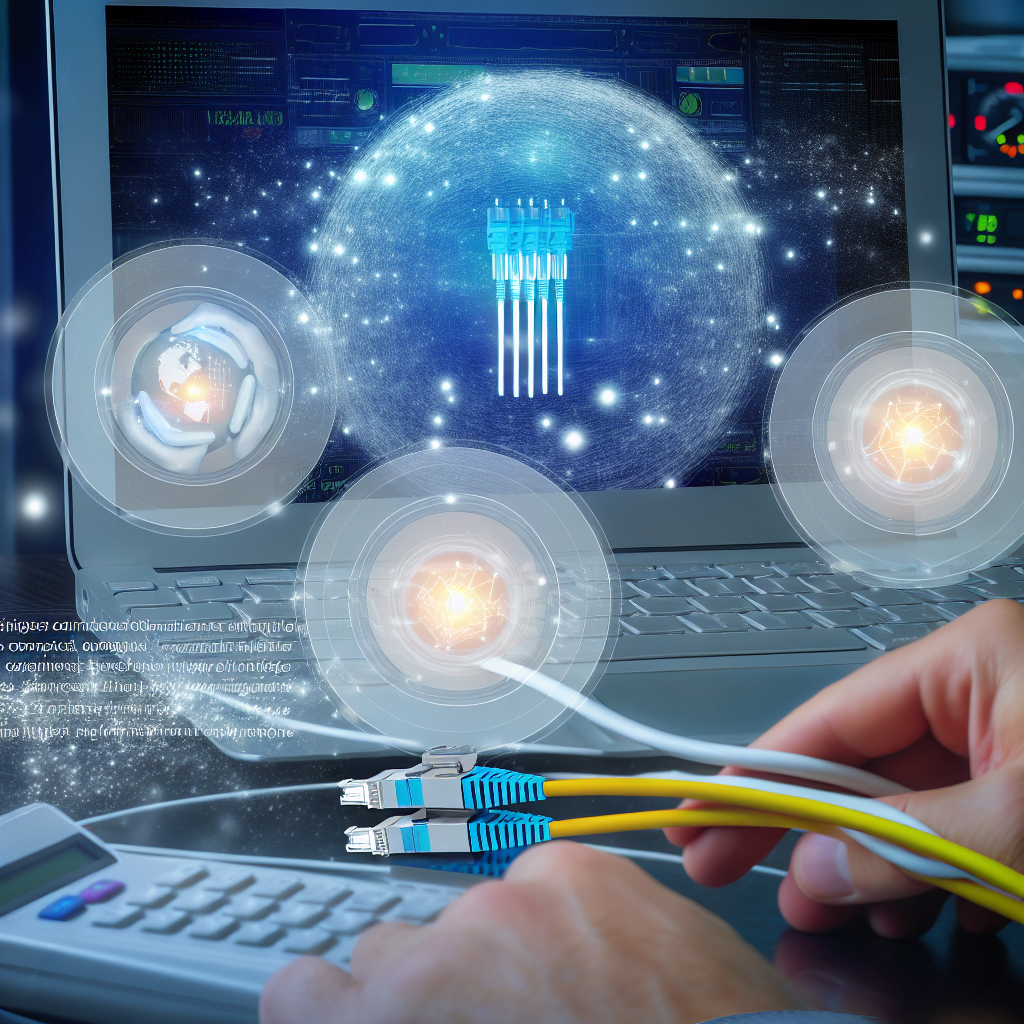
Die digitale Welt entwickelt sich rasant weiter und stellt immer höhere Anforderungen an die Netzwerkinfrastruktur. Glasfaserkabel sind dabei eine zukunftssichere Lösung, die viele Vorteile bietet. In diesem Artikel werden wir die Vorteile von Glasfaserkabeln für schnelle, stabile und zukunftssichere Netzwerke beleuchten.
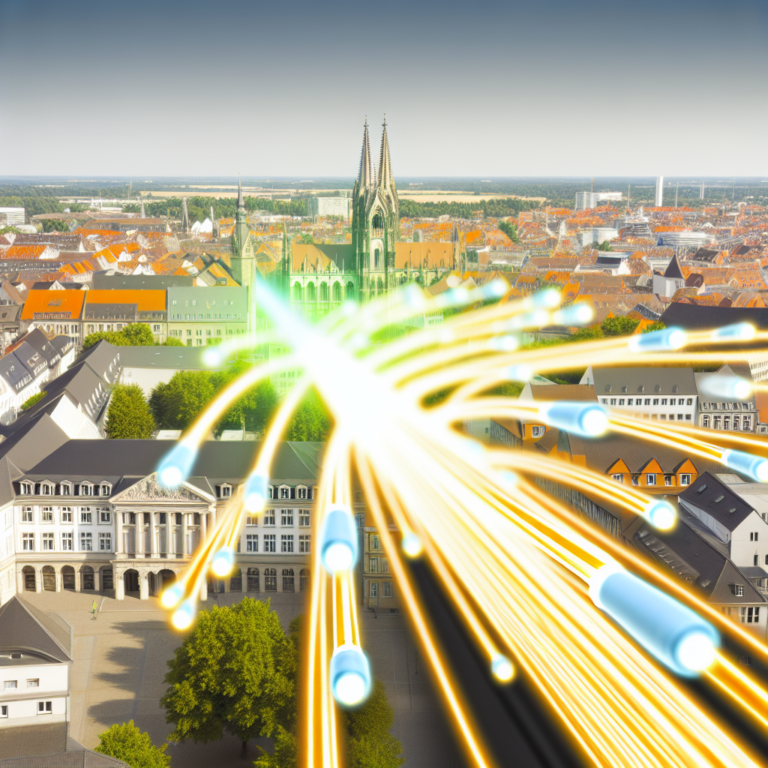
Glasfaserkabel bestehen aus dünnen Fasern aus Glas oder Kunststoff, durch die Lichtsignale gesendet werden. Diese Technologie ermöglicht eine extrem hohe Datenübertragungsrate, die weit über der von herkömmlichen Kupferkabeln liegt. Zudem sind Glasfaserkabel unempfindlich gegen elektromagnetische Störungen und bieten eine hohe Sicherheit gegen Datenabgriffe.
Hinweis zu AI-generierten Inhalten: Die Inhalte dieses Blogs werden mithilfe fortschrittlicher künstlicher Intelligenz erstellt. Obwohl wir uns bemühen, Ihnen stets präzise und nützliche Informationen zu bieten, kann es vorkommen, dass Fragen oder Unklarheiten bestehen bleiben. In solchen Fällen stehen Ihnen unsere Experten gerne zur Verfügung. Zögern Sie nicht, uns über die unten aufgeführten Kontaktmöglichkeiten zu erreichen. Unsere Spezialisten sind wahre Kenner ihres Fachs und helfen Ihnen gerne weiter!

Kontaktmöglichkeiten:

Feedback-Formular: Formular Ausfüllen
E-Mail: vertrieb@graef-gruppe.de
Telefon: +493069202294
Wir freuen uns auf Ihre Rückfragen und darauf, Ihnen bei jedem Anliegen behilflich zu sein!
Vorteile von Glasfaser: Schnelligkeit und Stabilität
Ein entscheidender Vorteil von Glasfaser ist die hohe Geschwindigkeit der Datenübertragung. Glasfaserkabel können Daten mit einer Geschwindigkeit von bis zu 100 Gbit/s übertragen. Das ist etwa 100-mal schneller als bei herkömmlichen DSL-Verbindungen. Diese hohe Geschwindigkeit ermöglicht es, große Datenmengen in kürzester Zeit zu übertragen, was insbesondere für Unternehmen von Vorteil ist.
Ein weiterer Vorteil von Glasfaser ist die hohe Stabilität der Verbindung. Da Glasfaserkabel unempfindlich gegen elektromagnetische Störungen sind, sind sie weniger anfällig für Verbindungsabbrüche und bieten eine konstant hohe Übertragungsqualität. Dies ist besonders wichtig für Anwendungen, die eine stabile Internetverbindung erfordern, wie zum Beispiel Videokonferenzen oder Online-Gaming.
Zukunftssicherheit durch Glasfaser
Glasfaserkabel sind nicht nur schnell und stabil, sondern auch zukunftssicher. Die Technologie bietet ein enormes Potenzial für zukünftige Geschwindigkeitssteigerungen, da die Datenübertragungsrate von Glasfaserkabeln hauptsächlich durch die verwendete Übertragungstechnik und nicht durch das Kabel selbst begrenzt wird. Das bedeutet, dass die Geschwindigkeit von Glasfasernetzwerken durch technologische Weiterentwicklungen noch weiter gesteigert werden kann.
Zudem sind Glasfaserkabel aufgrund ihrer hohen Lebensdauer eine nachhaltige Investition. Während Kupferkabel oft nach wenigen Jahren ausgetauscht werden müssen, können Glasfaserkabel mehrere Jahrzehnte lang genutzt werden.
Beispiel: Glasfaser in der Praxis
Ein gutes Beispiel für die Vorteile von Glasfaser ist die Stadt Chattanooga in den USA. Die Stadt hat in den 2000er Jahren ein stadtweites Glasfasernetzwerk aufgebaut und bietet ihren Bürgern und Unternehmen seitdem Internetgeschwindigkeiten von bis zu 10 Gbit/s. Dies hat dazu geführt, dass sich viele Technologieunternehmen in Chattanooga angesiedelt haben und die Stadt als „Gig City“ bekannt geworden ist.
Die Vorteile von Glasfaser: Ein Fazit
Zusammenfassend lässt sich sagen, dass Glasfaserkabel viele Vorteile bieten. Sie ermöglichen eine extrem hohe Datenübertragungsrate, bieten eine hohe Stabilität der Verbindung und sind zukunftssicher. Zudem sind sie eine nachhaltige Investition aufgrund ihrer hohen Lebensdauer. Obwohl die Einführung von Glasfasernetzwerken eine große Investition erfordert, sind die langfristigen Vorteile von Glasfaser deutlich.
Die Vorteile von Glasfaser: Schnelle, stabile und zukunftssichere Netzwerke erweitert
Die Vorteile von Glasfaser gehen über die reine Geschwindigkeit hinaus. Sie bieten auch eine höhere Zuverlässigkeit, da sie weniger anfällig für Störungen sind. Zudem sind sie sicherer, da sie schwerer abzuhören sind. Und schließlich sind sie zukunftssicher, da sie ein enormes Potenzial für zukünftige Geschwindigkeitssteigerungen bieten. In einer immer stärker vernetzten Welt sind Glasfaserkabel daher eine wichtige Technologie für schnelle, stabile und zukunftssichere Netzwerke.