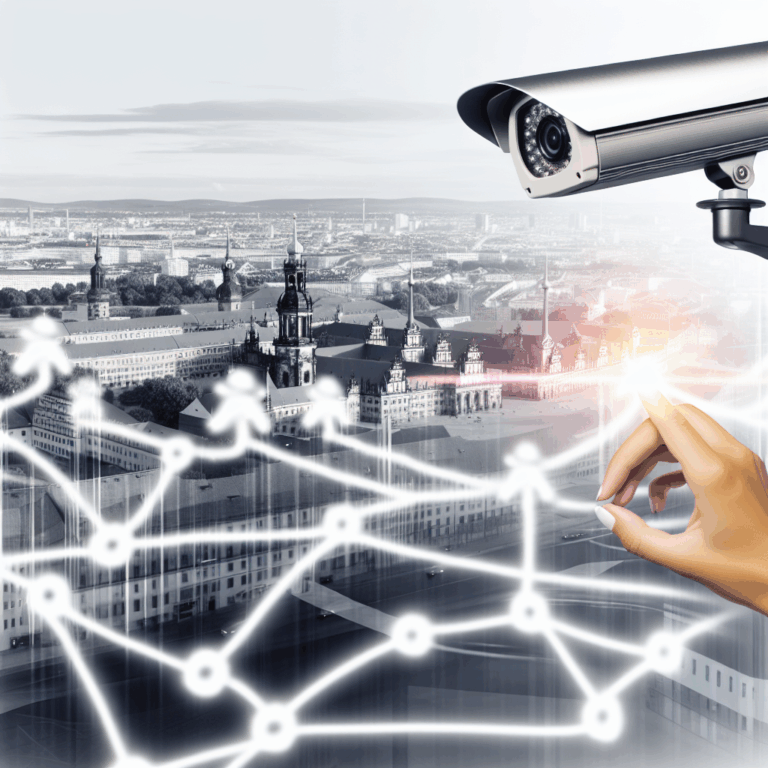

Cybersicherheit für Botschaften: Höchster Schutz sensibler Daten und Kommunikation
"Cybersicherheit für Botschaften: Gewährleistung höchster Sicherheit für sensible Daten und Kommunikation. Schutz vor Cyberbedrohungen."
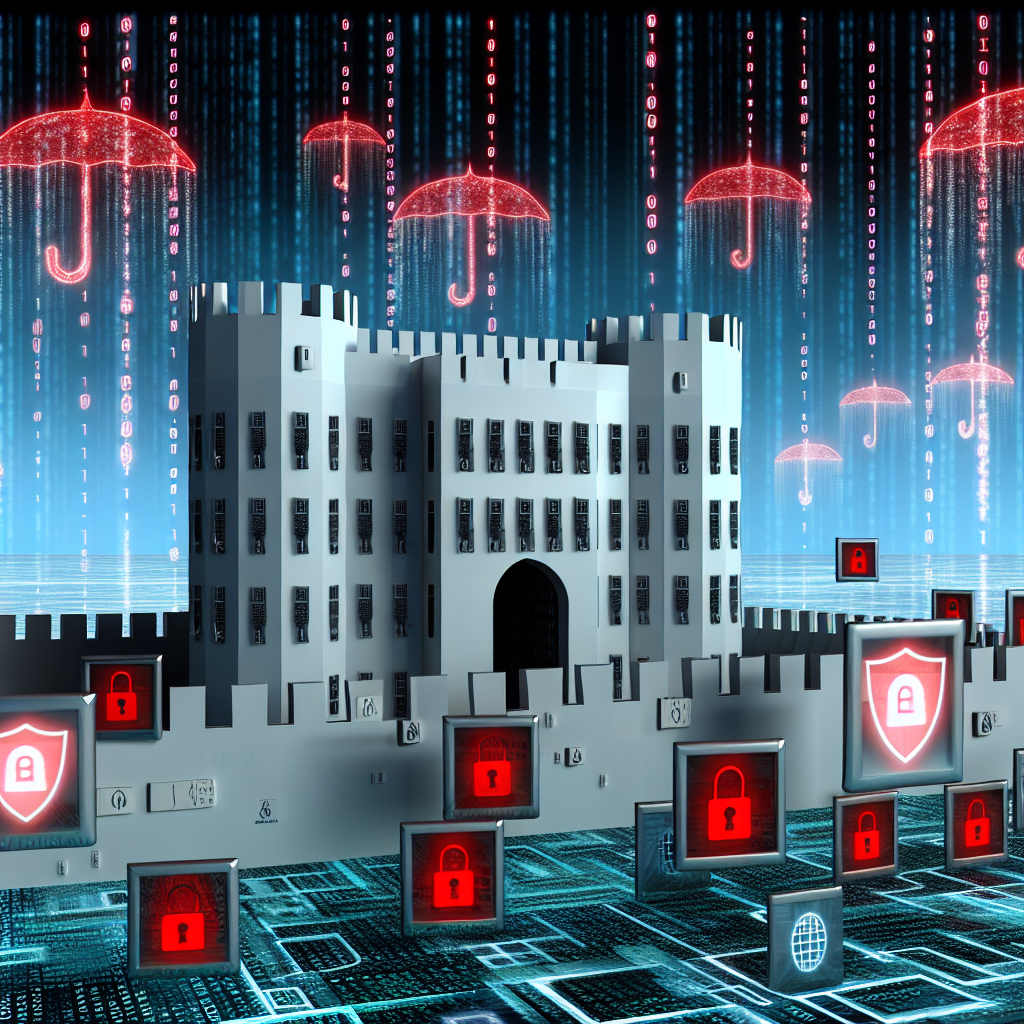
In der heutigen digitalen Welt ist die Cybersicherheit für botschaften von entscheidender Bedeutung. Botschaften sind nicht nur diplomatische Vertretungen, sondern auch Knotenpunkte für sensible Informationen und Kommunikation. Daher ist es von größter Bedeutung, dass diese Institutionen über robuste und effektive Cybersicherheitsmaßnahmen verfügen.
Hinweis zu AI-generierten Inhalten: Die Inhalte dieses Blogs werden mithilfe fortschrittlicher künstlicher Intelligenz erstellt. Obwohl wir uns bemühen, Ihnen stets präzise und nützliche Informationen zu bieten, kann es vorkommen, dass Fragen oder Unklarheiten bestehen bleiben. In solchen Fällen stehen Ihnen unsere Experten gerne zur Verfügung. Zögern Sie nicht, uns über die unten aufgeführten Kontaktmöglichkeiten zu erreichen. Unsere Spezialisten sind wahre Kenner ihres Fachs und helfen Ihnen gerne weiter!

Kontaktmöglichkeiten:

Feedback-Formular: Formular Ausfüllen
E-Mail: vertrieb@graef-gruppe.de
Telefon: +493069202294
Wir freuen uns auf Ihre Rückfragen und darauf, Ihnen bei jedem Anliegen behilflich zu sein!
Die Bedeutung der Cybersicherheit für Botschaften
Die Cybersicherheit für botschaften ist von entscheidender Bedeutung, da sie eine Vielzahl sensibler Daten verarbeiten. Diese Daten können von persönlichen Informationen über Bürger und Mitarbeiter bis hin zu geheimen diplomatischen Kommunikationen reichen. Ein Cyberangriff auf eine Botschaft könnte nicht nur diese sensiblen Daten gefährden, sondern auch das Vertrauen in die diplomatische Institution untergraben.
Die Herausforderungen der Cybersicherheit für Botschaften
Die Cybersicherheit für botschaften ist eine komplexe Aufgabe. Einerseits müssen Botschaften in der Lage sein, effektiv und effizient zu kommunizieren und Informationen zu teilen. Andererseits müssen sie sicherstellen, dass diese Kommunikation und Informationsspeicherung sicher ist und nicht von Dritten kompromittiert werden kann.
Ein weiterer Faktor, der die Cybersicherheit für botschaften erschwert, ist die Tatsache, dass viele Botschaften in Ländern tätig sind, in denen die Cybersicherheitsstandards und -gesetze möglicherweise nicht so streng sind wie in ihrem Heimatland. Dies kann es schwierig machen, die notwendigen Sicherheitsmaßnahmen zu implementieren und aufrechtzuerhalten.
Best Practices für die Cybersicherheit in Botschaften
Es gibt eine Reihe von Best Practices, die Botschaften befolgen können, um ihre Cybersicherheit zu verbessern. Dazu gehören:
- Regelmäßige Überprüfung und Aktualisierung der Cybersicherheitsrichtlinien und -verfahren.
- Implementierung von starken Passwortrichtlinien und Zwei-Faktor-Authentifizierung.
- Regelmäßige Schulungen für Mitarbeiter zur Sensibilisierung für Cybersicherheitsrisiken und zur Vermittlung von Best Practices.
- Verwendung von Verschlüsselung für alle sensiblen Kommunikationen und Daten.
- Regelmäßige Überprüfung und Aktualisierung der IT-Infrastruktur, um sicherzustellen, dass sie auf dem neuesten Stand der Sicherheitstechnologie ist.
Cyberangriff auf die norwegische Botschaft
Ein Beispiel für die Bedeutung der Cybersicherheit für botschaften ist der Cyberangriff auf die norwegische Botschaft in 2018. Die Angreifer konnten in das E-Mail-System der Botschaft eindringen und eine Vielzahl sensibler Informationen abrufen. Dieser Vorfall unterstreicht die Notwendigkeit für Botschaften, robuste Cybersicherheitsmaßnahmen zu implementieren und ständig zu überprüfen und zu aktualisieren.
Cybersicherheit für Botschaften: Ein kontinuierlicher Prozess
Die Cybersicherheit für botschaften ist kein einmaliges Ereignis, sondern ein kontinuierlicher Prozess. Botschaften müssen ständig auf der Hut sein und ihre Sicherheitsmaßnahmen regelmäßig überprüfen und aktualisieren, um mit den sich ständig ändernden Bedrohungen Schritt zu halten.
Cybersicherheit für Botschaften: Höchster Schutz sensibler Daten und Kommunikation
Die Cybersicherheit für botschaften ist von entscheidender Bedeutung, um den Schutz sensibler Daten und Kommunikation zu gewährleisten. Durch die Implementierung von Best Practices, die Schulung von Mitarbeitern und die ständige Überprüfung und Aktualisierung der Sicherheitsmaßnahmen können Botschaften sicherstellen, dass sie gegen Cyberbedrohungen gewappnet sind.