
Fire alarm systems for banks: protection against fire and early warning
"Fire alarm systems for banks offer optimum protection against fire and ensure early alerting. Security with a bank fire alarm system."
The security of banks is of paramount importance to ensure customer confidence and smooth operations. An important aspect of this security is protection against fire and early alerting in the event of a fire. This is where fire alarm systems that have been specially developed for banks come into play.
What is a fire alarm system?
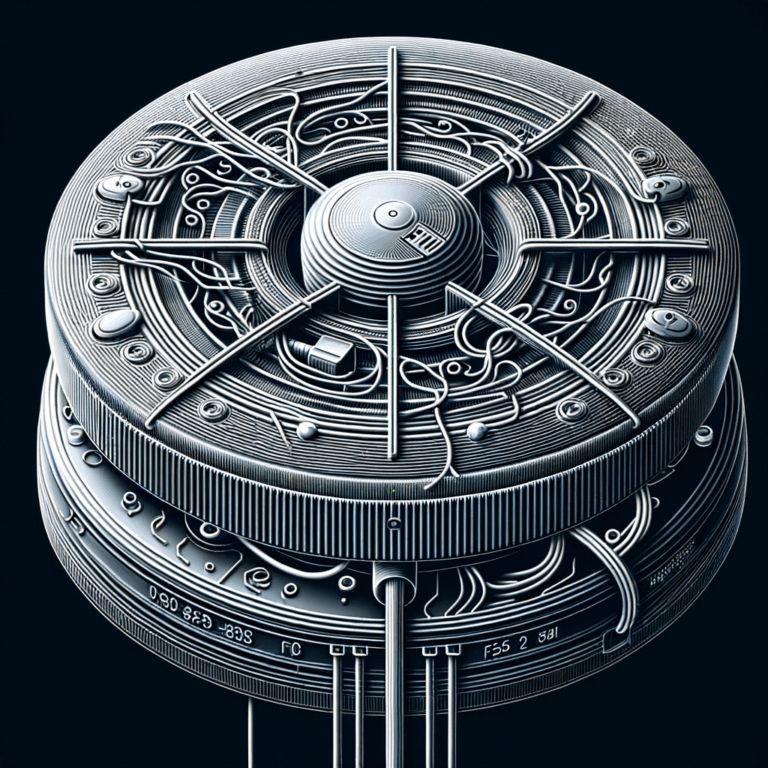
A fire alarm system is a technical device that is used to detect and report a fire at an early stage. It consists of various components such as smoke detectors, heat detectors, manual call points and a central control unit. When a fire is detected, the system sends a signal to the central control unit, which then triggers an alarm and informs the fire department.
Note on AI-generated content: The content of this blog is created with the help of advanced artificial intelligence. Although we strive to always provide you with accurate and useful information, questions or ambiguities may remain. In such cases, our experts will be happy to help you. Please do not hesitate to contact us using the details below. Our specialists are true experts in their field and will be happy to help you!

Contact options:

 Feedback form: Fill out the form
Email: vertrieb@graef-gruppe.de
Phone: +493069202294
We look forward to your queries and to helping you with any concerns you may have!
Why are fire alarm systems important for banks?
Banks are places where large amounts of money and valuable assets are stored. A fire in a bank can therefore not only lead to significant financial losses, but also undermine customer confidence in the bank. In addition, fires can also destroy important documents and data that are essential to the bank's operations.
An effective fire alarm system can help to minimize these risks by detecting a fire at an early stage and initiating the necessary firefighting measures. This can help to limit the damage and ensure the safety of employees and customers.
How does a fire alarm system work in a bank?
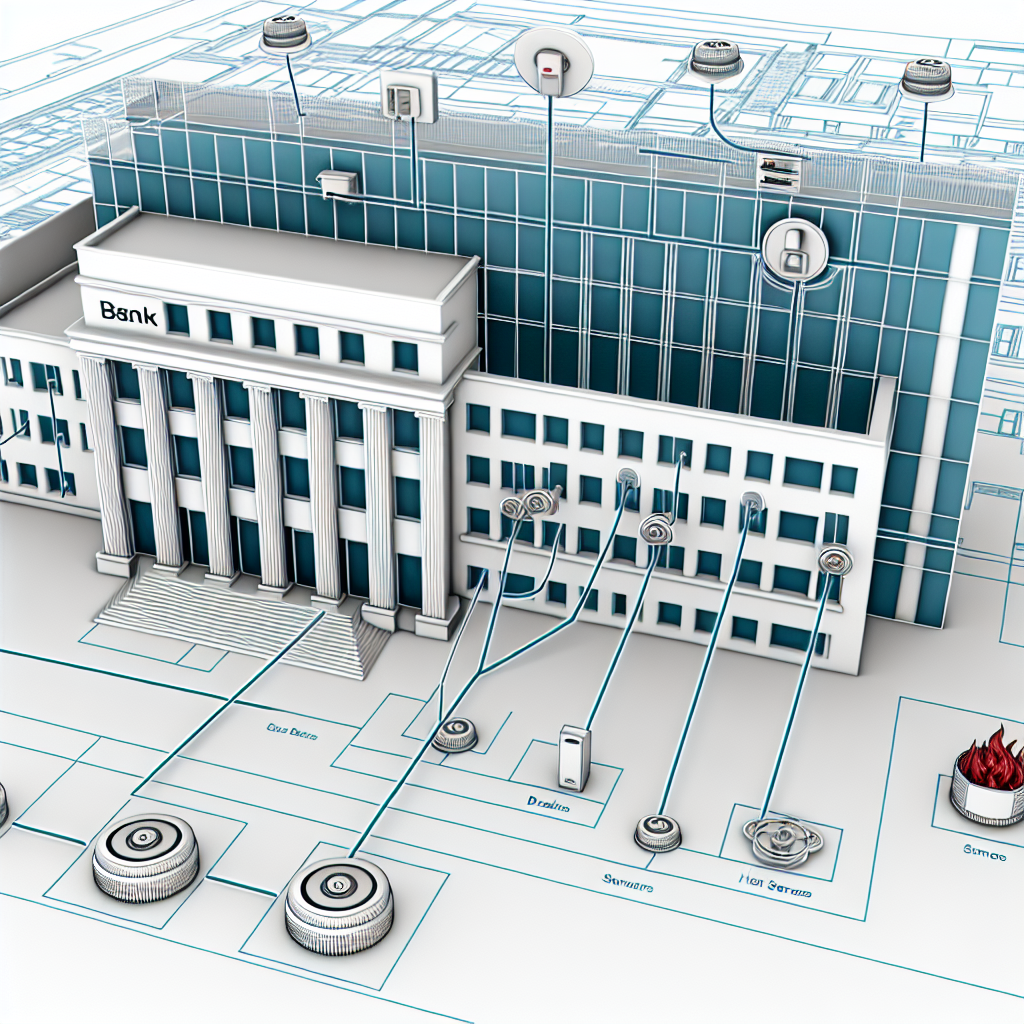
A fire alarm system in a bank basically works like in any other building. It consists of several components that work together to detect and report a fire at an early stage. Here are the most important components of a fire alarm system:
- Smoke detectors: These devices detect smoke generated by a fire. They are usually fitted to the ceiling and cover a specific area.
- Heat detectors: These devices detect a sudden increase in temperature, which can indicate a fire. They are particularly useful in areas where smoke detectors cannot be effective, such as kitchens or boiler rooms.
- Manual call points: These devices allow people to manually trigger an alarm when they notice a fire.
- Central control unit: This is the heart of the system. It receives signals from the various detectors and triggers an alarm when a fire is detected.
All these components are networked with each other and form a comprehensive system that provides effective protection against fires.
Example of an effective fire alarm system in a bank
A good example of an effective fire alarm system in a bank is Deutsche Bank. It has installed a comprehensive fire alarm system consisting of smoke detectors, heat detectors and manual call points. The system is connected to a central control unit, which triggers an alarm when a fire is detected and informs the fire department.
Thanks to this system, Deutsche Bank was able to detect several potential fires at an early stage and fight them effectively, thereby avoiding considerable damage and losses.
Bank fire alarm system: protection against fire and early warning
In summary, an effective fire alarm system is crucial for banks. Not only does it provide effective protection against fires, but it also helps to boost customer confidence and ensure the smooth running of the bank. Therefore, banks should invest in a high-quality fire detection system and ensure that it is properly maintained and regularly tested.