
Brandmeldesystem Flugplatz: Spitzen-Früherkennung & Schutz
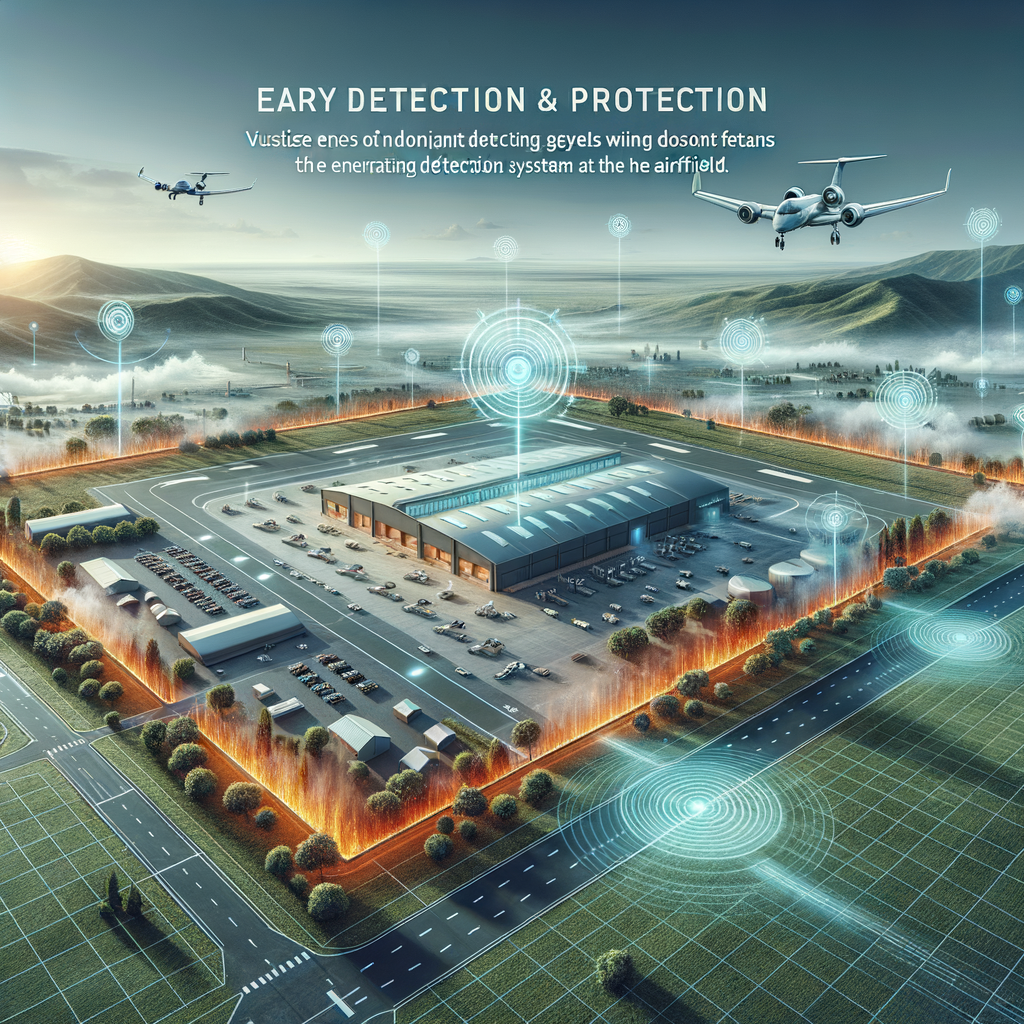
Ein wirksames Brandmeldesystem auf einem Flugplatz ist unerlässlich, um die Sicherheit von Passagieren und Personal zu gewährleisten. In hochfrequentierten Umgebungen wie Flughäfen spielt die Früherkennung und der Schutz vor Bränden eine entscheidende Rolle. Die Systeme sind so konzipiert, dass sie schnell auf Rauch- und Wärmeveränderungen reagieren, um mögliche Gefahrenquellen frühzeitig zu identifizieren. Dies ermöglicht eine prompte Evakuierung und den Einsatz von Löschmaßnahmen, bevor sich das Feuer ausbreiten kann.
Hinweis zu AI-generierten Inhalten: Die Inhalte dieses Blogs werden mithilfe fortschrittlicher künstlicher Intelligenz erstellt. Obwohl wir uns bemühen, Ihnen stets präzise und nützliche Informationen zu bieten, kann es vorkommen, dass Fragen oder Unklarheiten bestehen bleiben. In solchen Fällen stehen Ihnen unsere Experten gerne zur Verfügung. Zögern Sie nicht, uns über die unten aufgeführten Kontaktmöglichkeiten zu erreichen. Unsere Spezialisten sind wahre Kenner ihres Fachs und helfen Ihnen gerne weiter!

Kontaktmöglichkeiten:

Feedback-Formular: Formular Ausfüllen
E-Mail: vertrieb@graef-gruppe.de
Telefon: +493069202294
Wir freuen uns auf Ihre Rückfragen und darauf, Ihnen bei jedem Anliegen behilflich zu sein!
Wie funktioniert ein modernes Brandmeldesystem?
Moderne Brandmeldesysteme nutzen fortschrittliche Technologien, um höchste Präzision in der Detektion zu gewährleisten. Oft integrieren sie:
- Rauchmelder: Diese erfassen Partikel in der Luft, die auf Rauch hinweisen.
- Wärmemelder: Sie reagieren auf schnelle Temperaturanstiege.
- Multisensormelder: Diese kombinieren verschiedene Sensorarten für eine genauere Unterscheidung zwischen echten Gefahren und Fehlalarmen.
In Flugplatzbereichen können diese Systeme in die ganze Infrastruktur integriert werden, einschließlich Terminals, Hangars und Wartungszonen, um optimalen Schutz zu bieten.
Statistiken zur Effektivität von Brandmeldesystemen
Effektive Brandmeldesysteme haben sich als lebensrettend erwiesen. Laut einer Studie der Internationalen Zivilluftfahrtorganisation (ICAO) konnten durch frühzeitige Branderkennung in Flughäfen weltweit die Evakuierungszeiten um bis zu 40 % reduziert werden. Dies zeigt die Relevanz und Notwendigkeit solcher Systeme in komplexen Umgebungen.
Fälle erfolgreicher Brandvermeidung
In Frankfurt am Main konnte ein Brandmeldesystem bei einem Zwischenfall im Jahr 2019 schnell eingreifen, als ein technisches Gerät in einem Wartungsbereich zu rauchen begann. Das System alarmierte sofort die Einsatzkräfte, die den Bereich evakuieren und den Brand innerhalb von Minuten unter Kontrolle bringen konnten. Dies verhinderte größere Schäden und mögliche Personenschäden.
Tipps zur Optimierung des Brandschutzes auf Flugplätzen
Um ihre Effektivität zu maximieren, sollten Brandmeldesysteme regelmäßig gewartet und überprüft werden. Einige Empfehlungen zur Optimierung sind:
- Regelmäßige Schulungen für Mitarbeiter zur Erkennung von Alarmen und für Evakuierungsprozeduren.
- Monatliche Systemkontrollen durch zertifizierte Techniker, um die Funktionstüchtigkeit sicherzustellen.
- Integration von KI-basierten Überwachungsmechanismen, um Fehlalarme zu reduzieren.
In einer Zeit, in der die Sicherheit im Flugverkehr von immer größerer Bedeutung wird, leisten Brandmeldesysteme auf Flughäfen einen zentralen Beitrag zum Schutz von Menschenleben und Eigentum. Durch innovative Technologien und regelmäßige Wartung bieten sie eine zuverlässige Früherkennung von Gefahren, die schnelle Reaktionen ermöglichen und damit die Sicherheit auf Flughäfen weltweit erhöhen.